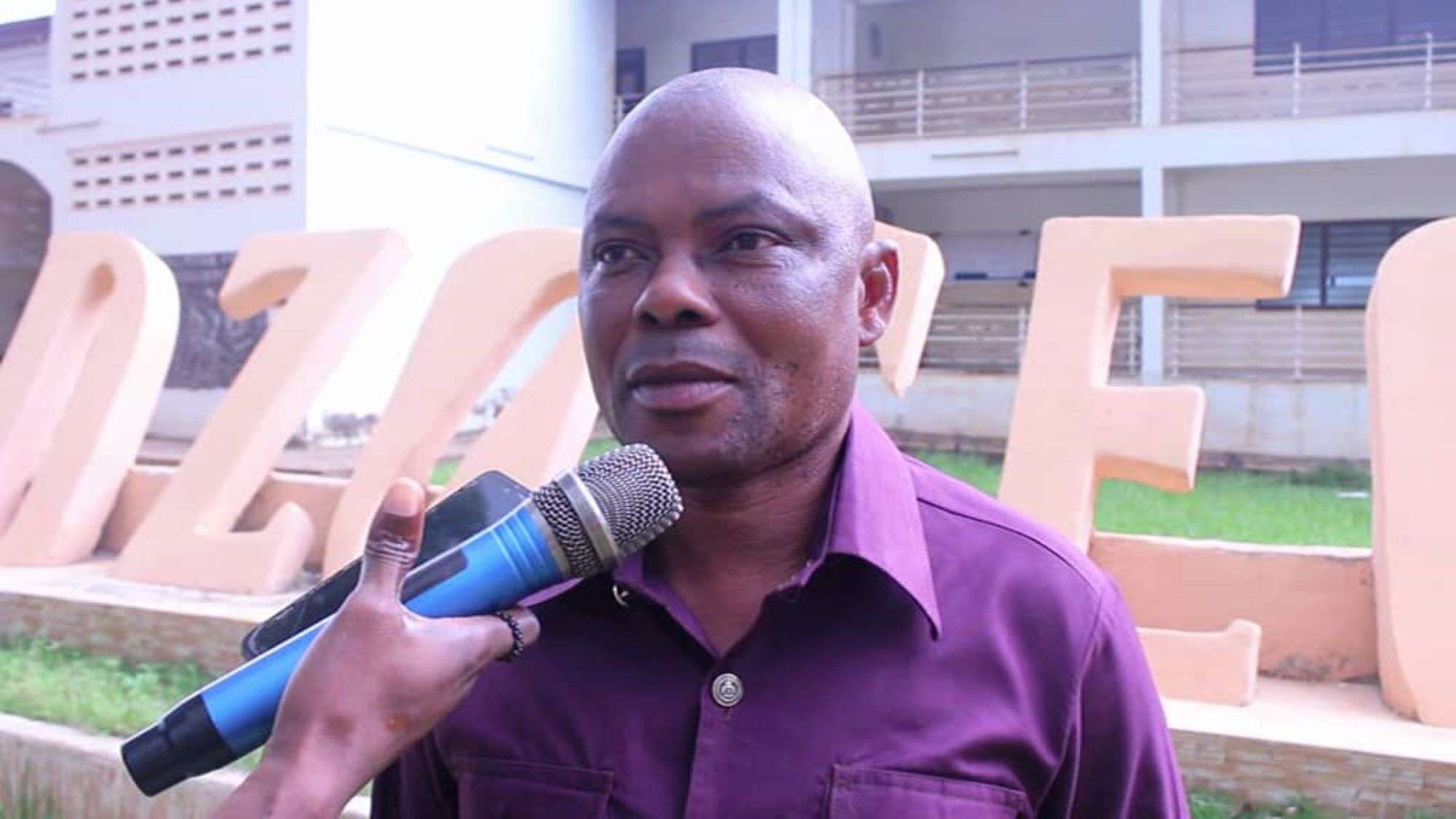


Former Bank of Ghana (BoG) Governor, Dr. Ernest Addison has been appointed a Short-Term Senior Research Fellow at Harvard University’s Center for International Development (CID) and Center for African Studies (CAS).
As part of the fellowship, Dr. Addison will lead four CID student seminar sessions in October, reflecting on his eight-year tenure as Governor of the Bank of Ghana and his experience managing a series of major economic shocks.
His session will take students go through the policies that propelled Ghana’s economy to high growth rates, focusing on the macroeconomic policies and financial sector cleanup up.
It will also address the issue of repeated shocks, the pandemic, and its policy responses and the Russia Ukraine shock.
Dr. Addison retired from Ghana’s Central Bank in March 2025, after serving as Governor since 2017.
Under his leadership, the Bank of Ghana oversaw the resolution of nine banks and 347 other financial institutions, while introducing stronger capital and supervisory requirements aligned with Basel III standards.
The sessions will also examine Ghana’s response to the COVID-19 pandemic and the economic impact of the Russia-Ukraine war, as well as the challenges that emerged in the second half of his tenure.
By then, Ghana had lost access to international capital markets following a series of credit-rating downgrades amid rising debt and weakening fiscal conditions.
The resulting liquidity and debt crisis eventually led to Ghana’s return to an IMF-supported programme and a major debt restructuring exercise.
Dr Addison is also expected to discuss the role of the central bank during the crisis, the corrective measures implemented in 2023 and 2024, and the policies used to strengthen Ghana’s foreign exchange buffers.
At Harvard, Dr Addison is expected to draw on these experiences to examine how monetary and financial-sector policies shaped Ghana’s economic trajectory.
A key area of focus will be the Domestic Gold Purchase Programme, which helped boost foreign exchange reserves and contributed to a stronger cedi, while supporting a faster convergence towards debt sustainability targets under Ghana’s IMF programme.
The Harvard seminars will therefore provide Dr Addison an opportunity to reflect on both the successes and challenges of his tenure, offering students a first-hand account of how Ghana’s monetary authorities responded to repeated global and domestic economic shocks.
His appointment also places Ghana’s recent economic experience within a broader international policy discussion, particularly on the difficult trade-offs central banks face when responding to inflation, financial instability, debt pressures and external shocks.
By Nii Larte Lartey