
The Minority Caucus in Parliament has called for the immediate repeal of sections 207 and 208 of the Criminal and Other Offences Act, 1960, describing the provisions as tools that undermine freedom of expression and recreate criminal libel through the back door.
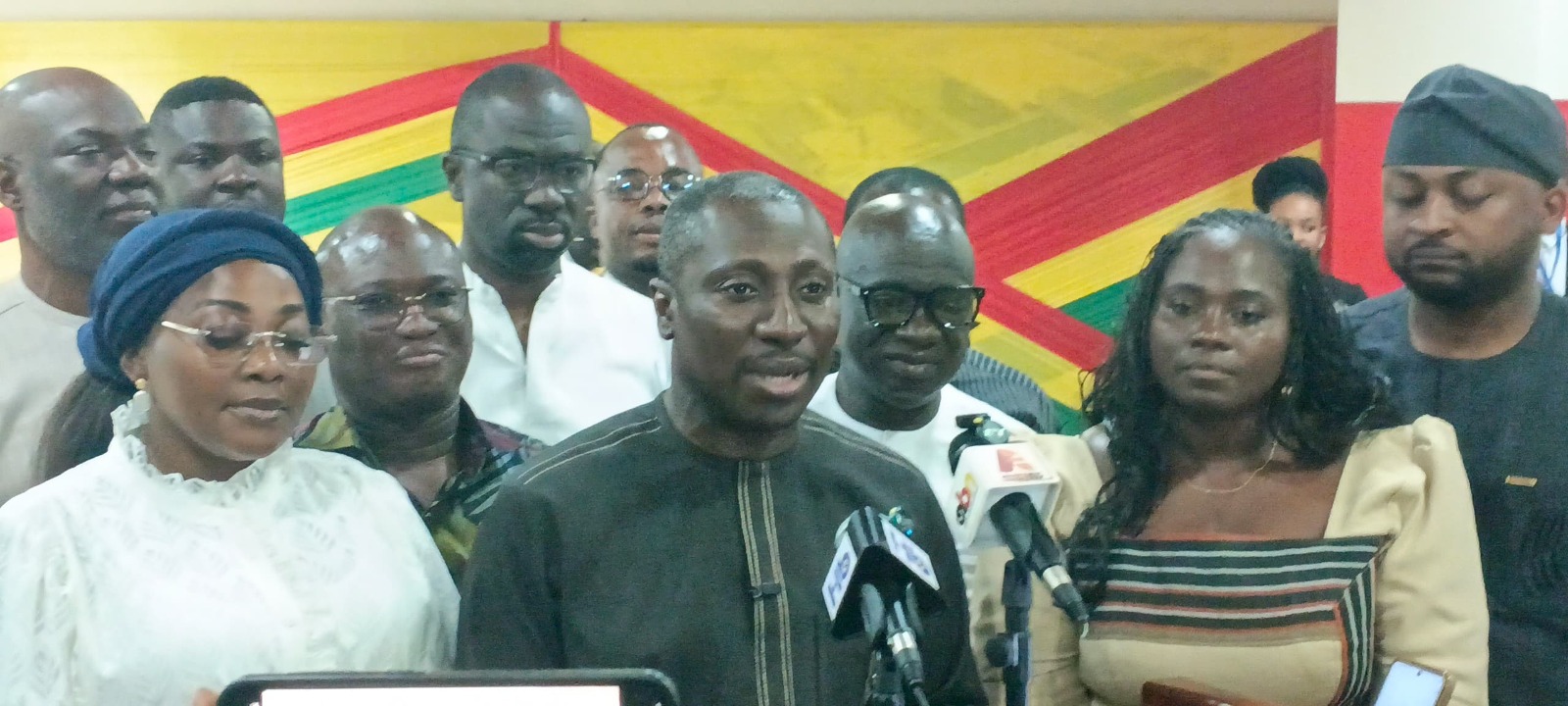
At a press conference on Friday, July 17, 2026, the Minority condemned the conviction of Camila Alhassan, a young Ghanaian sentenced to one year imprisonment with hard labour over a TikTok video, arguing that the punishment was excessive and a threat to citizens’ constitutional right to free expression.
The caucus said Ms Alhassan was convicted under section 207, which deals with “offensive conduct conducive to a breach of the peace,” and expressed concern over a possible additional prosecution under section 76 of the Electronic Communications Act.
According to the Minority, the case represents a growing pattern of using criminal laws to punish criticism and dissent.
“We say plainly: this should trouble every Ghanaian, whatever their party colours,” the caucus stated, arguing that criminal prosecution should not be used against citizens for speech that is merely offensive, embarrassing or critical of public officials.
The Minority also cited the cases of several other individuals, including Kwame Baffoe, popularly known as Abronye DC, Alhassan Abdul Rahaman, Alfred Ababio Kumi, David Essandoh and broadcaster Counsellor George Lutterodt, who have faced legal action over comments or publications.
Call to complete reforms started in 2001
The Minority referenced the repeal of Ghana’s criminal and seditious libel laws in 2001 under the administration of former President John Agyekum Kufuor, describing the move as a landmark achievement for press freedom.
The caucus argued that sections 207 and 208 were left behind during those reforms and now serve a similar purpose to the repealed laws by allowing the state to prosecute individuals over statements rather than actions.
“Twenty-five years after 2001, it is time to finish the job,” the Minority said, urging Parliament to remove the provisions completely.
The caucus maintained that repealing the sections would not mean allowing irresponsible speech, noting that citizens who suffer defamation already have access to civil remedies through the courts.
It added that existing laws already address genuine threats to life and public safety, arguing that imprisonment should not be the first response to offensive speech.
Accusations of selective enforcement
The Minority further accused the government of selectively applying the law against critics while allowing supporters and aligned commentators to make controversial statements without facing similar consequences.
The caucus challenged the government to demonstrate that the laws were being enforced without political bias.
“If the law is truly being applied without regard to political colour, the government should have no difficulty demonstrating it,” the statement said.
The Minority warned that laws used against opponents while in government could eventually be used against supporters when political circumstances change.
Appeal to President Mahama
The caucus also appealed directly to President John Dramani Mahama, highlighting his background as a journalist and his previous commitments to protecting press freedom.
The Minority said the President’s history in journalism placed an additional responsibility on his administration to protect free expression.
“We do not say the President personally ordered these prosecutions. We do say that a government led by a former journalist bears a special responsibility to know exactly what these charges do to a person,” the statement added.
Minority’s demands
The Minority outlined four key demands:
- Immediate withdrawal of all pending prosecutions under sections 207 and 208, including the case involving Camila Alhassan.
- Release of individuals currently serving sentences under the provisions.
- Passage of legislation repealing both sections.
- A public commitment from the government that citizens will not face criminal charges for speech that is critical, embarrassing or unwelcome.
The caucus urged members of the Majority side to support the repeal, arguing that protecting free speech should not be viewed as a partisan matter.
“Support the repeal of sections 207 and 208. Let this be remembered as a moment when both sides of this House chose the country over the party,” the Minority stated.
The statement concluded by calling on Parliament to complete Ghana’s transition away from criminal speech offences and reaffirm the country’s commitment to democratic freedoms.