
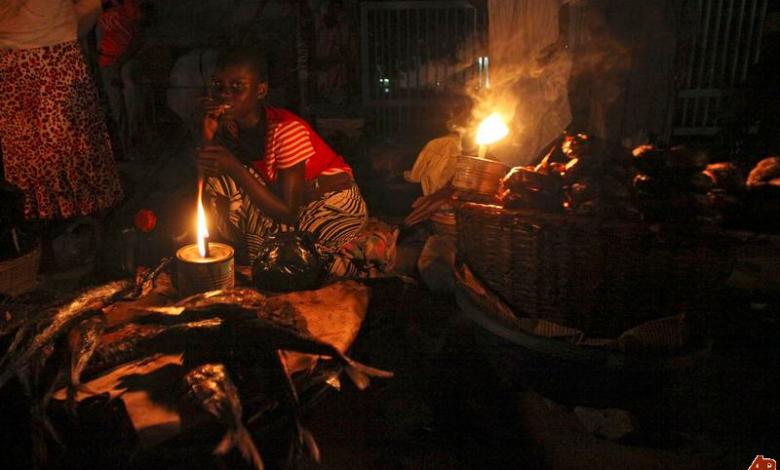
From the bustling industrial zone of Tema and major cities to households in the country, Ghanaians are facing double agony of severe power outages also known as ‘Dumsor’ and water crisis.
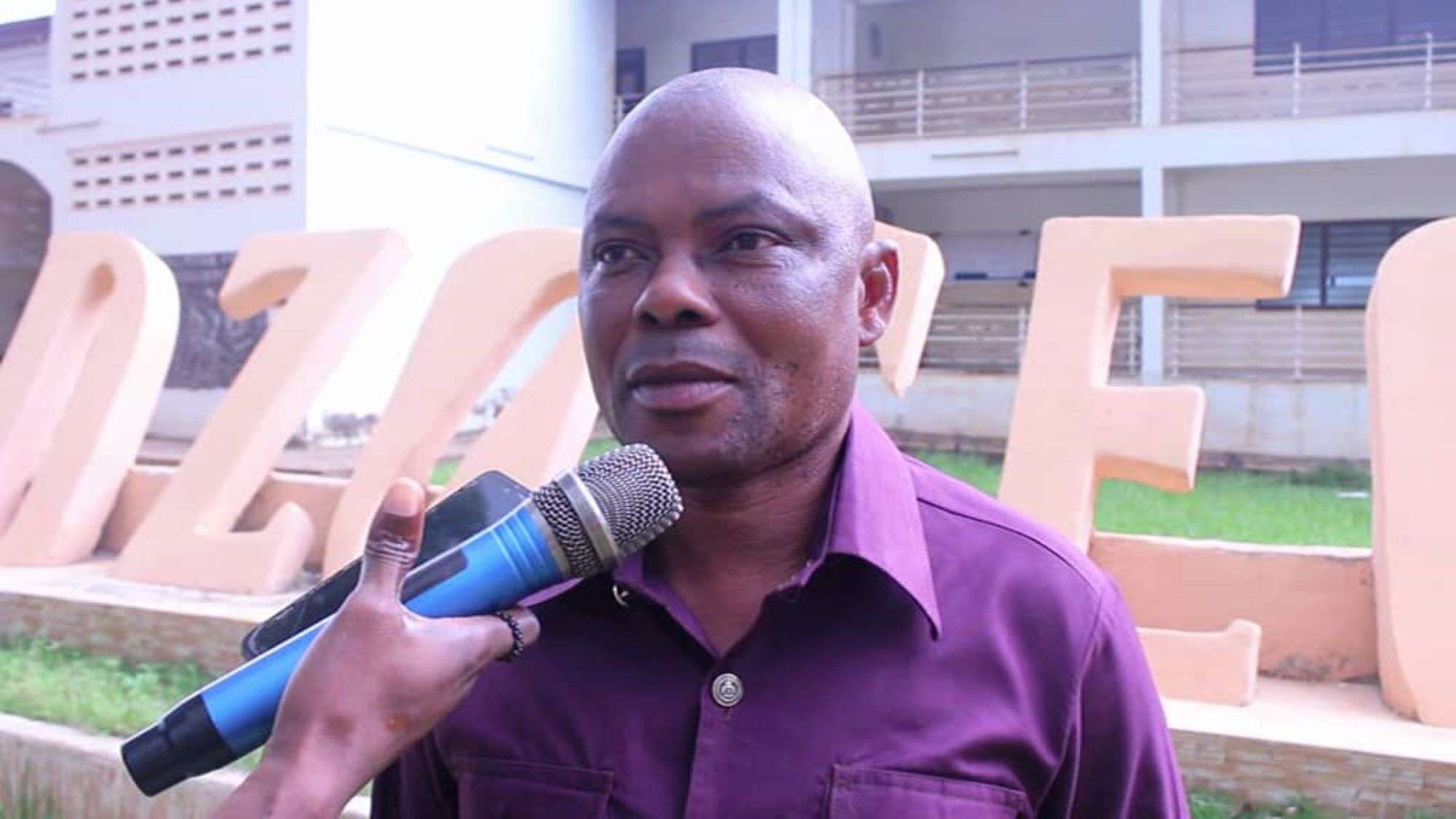
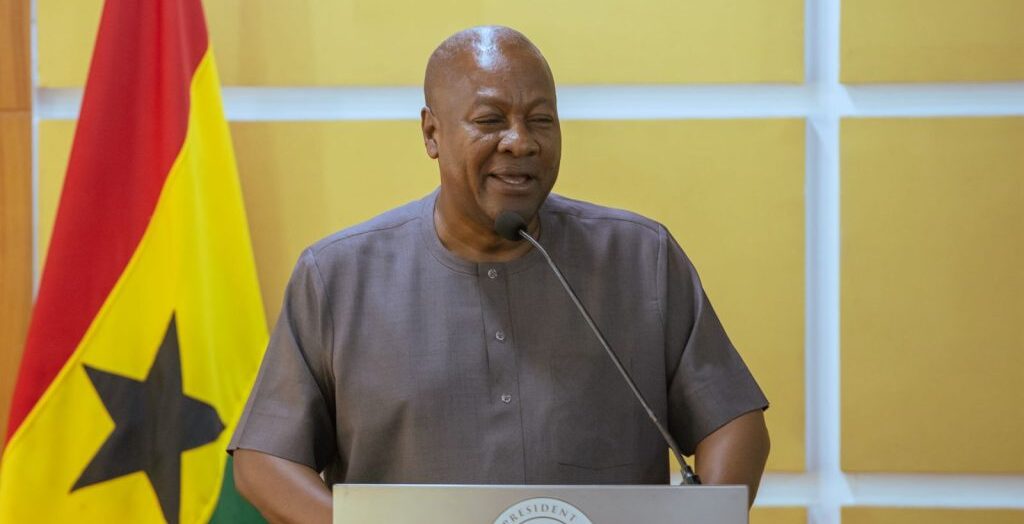
Dumsor, according to manufacturers and even the ordinary people on the street who spoke to THE CUSTODIAN, has become a symbol of hardship under President John Dramani Mahama-led National Democratic Congress (NDC) government as the frequent power outages are disrupting their livelihoods and manufacturing processes, leading to decreased productivity and increased costs.
Small-scale businesses, especially those that are energy-dependent, are badly hit.
Consequently, there is a growing public concern over the inconsistent power supply, with many people fearing a relapse into the erratic outages that previously affected homes and businesses nationwide under President Mahama’s first administration.
The Association of Ghana Industries (AGI) had reported that between 2013 and 2016, dumsor cost the country over $3 billion in lost productivity, and more than 4,000 jobs vanished in the manufacturing sector alone.
This painful memory of the past is making Ghanaians nervous as they dread the possibility of another prolonged dumsor.
Double agony
While the people are reeling under the excruciating Dumsor under President Mahama’s second government, they have also been hit by water shortage in many parts of the country.
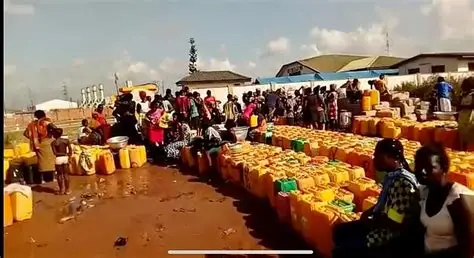
Residents in many towns in the South and Northern Ghana are either queuing and trekking to find water or are sadly drinking polluted water with animals.
State-owned Ghana Water Limited (GWL) has attributed the water crisis to unstable electricity supply or the dumsor and environmental conditions at its key water treatment facility.
GWL in a statement issued on Monday, April 27, 2026, explained that the Kpong Water Treatment Plant, which supplies water to a large portion of Tema, Accra East, and surrounding communities, has been experiencing inconsistent electricity supply.
This instability, according to the company, has had a direct impact on its ability to maintain steady water production and distribution.
GWL noted that its operations are heavily dependent on uninterrupted power to run essential systems, including treatment processes, pumping equipment, transmission pipelines, and booster stations.
As such, any fluctuation in electricity supply has a ripple effect on service delivery.#
“Any interruption or fluctuation in power supply directly affects our ability to produce and distribute water efficiently,” the statement said.
The utility provider explained that the recent power challenges have led to reduced production capacity at the Kpong facility, resulting in intermittent water delivery to affected communities.