

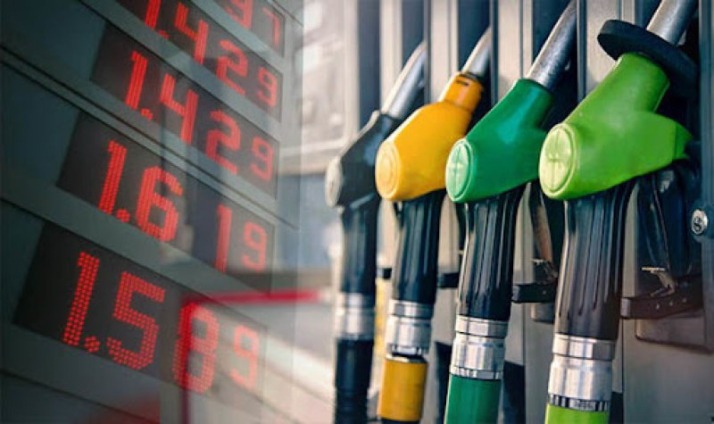
Petrol and diesel prices are expected to increase in the first pricing window of October, with the Chamber of Petroleum Consumers (COPEC) projecting a 5.21% rise in petrol prices and a 22.91% increase in diesel prices from Thursday, October 1, 2026.
In a statement dated Tuesday, September 29, and signed by its Executive Secretary, Duncan Amoah, COPEC attributed the anticipated increases mainly to rising international petroleum prices and a marginal depreciation of the Ghana cedi against the US dollar.
The Chamber expects the average retail price of petrol to move from GH¢16.90 to GH¢17.78 per litre, while diesel is projected to rise from GH¢18.24 to GH¢22.42 per litre.
LPG prices are also expected to increase to GH¢15.68 per kilogramme, following a 9.10% rise in the product’s international Free on Board (FOB) price.
COPEC said global crude oil prices rose sharply from $103.07 to $124 per barrel during the pricing window. At the same time, the cedi depreciated by about 1.20% against the US dollar, moving from an average interbank rate of GH¢11.4830 to GH¢11.6211.
The FOB price of petrol increased by 4.26%, from $1,251.07 to $1,304.39 per metric tonne. Based on the development, COPEC projects petrol prices to fall within a range of GH¢16.89 to GH¢18.67 per litre, representing a ±5% margin around its projection.
Diesel recorded a similar upward movement, with its FOB price rising from $1,404.73 to $1,524.22 per metric tonne, an increase of 8.51%. COPEC expects diesel pump prices to range between GH¢19.40 and GH¢21.44 per litre within the same margin.
For LPG, the international FOB price rose from $712.43 to $777.59 per metric tonne. COPEC therefore projects a retail price of GH¢15.68 per kilogramme, with prices expected to range between GH¢14.89 and GH¢16.48 per kilogramme.
To cushion consumers against the expected increases, COPEC has appealed to Oil Marketing Companies (OMCs) to absorb part of the adjustment by shelving some of their margins.
The Chamber further commended the government for maintaining the supply of crude oil to local refineries and called for the accelerated expansion of the Tema Oil Refinery (TOR).
COPEC is urging the government to raise TOR’s refining capacity from the current 45,000 barrels per day to 100,000 barrels per day. According to the Chamber, the expansion would help reduce Ghana’s dependence on imported finished petroleum products.