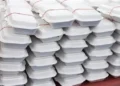


Ghana is set to prohibit the importation, manufacture, distribution, sale and use of Styrofoam food containers and related products from January 1, 2027, in a major policy move to address plastic pollution and promote sustainable packaging.
The nationwide ban will target expanded polystyrene foam products, popularly known as Styrofoam, which are widely used in food packaging and other applications.
According to the Environmental Protection Authority (EPA), the measure is aimed at protecting public health, reducing environmental pollution and encouraging businesses and consumers to adopt more environmentally friendly alternatives.
The prohibited products will include takeaway food packs, disposable cups and plates, restaurant containers, packaging materials, mattresses and insulation products manufactured from polystyrene.
The EPA’s Ashanti Regional Director, Dr Jackson Adiyiah Nyantakyi, outlined the policy and its implementation roadmap, stressing that Styrofoam posed significant environmental challenges because of its chemical composition, durability and inability to biodegrade easily.
He made the remarks during a sensitisation session organised on the sidelines of COP31 in Antalya, Türkiye, where stakeholders discussed public education, engagement with importers and the transition to sustainable packaging alternatives.
Some manufacturers and importers have reportedly called for an extension to enable them to recover their investments. However, the EPA says the proposed restriction forms part of a wider strategy to tackle the environmental consequences of single-use plastics.
Styrofoam waste is particularly problematic because it persists in the environment for long periods. Its accumulation can block drainage systems, contribute to flooding, contaminate water bodies and endanger marine ecosystems.
Beyond environmental concerns, the use of Styrofoam containers for hot food has also raised health concerns, with the possibility of chemicals leaching into food under certain conditions.