
Ghana has secured its first issuance of approximately 6.5 million forest carbon credits under the Architecture for REDD+ Transactions (ART) TREES standard, marking a major milestone in the country’s efforts to attract climate finance through forest conservation.
The credits represent independently verified reductions in emissions from deforestation and forest degradation achieved between 2017 and 2021.
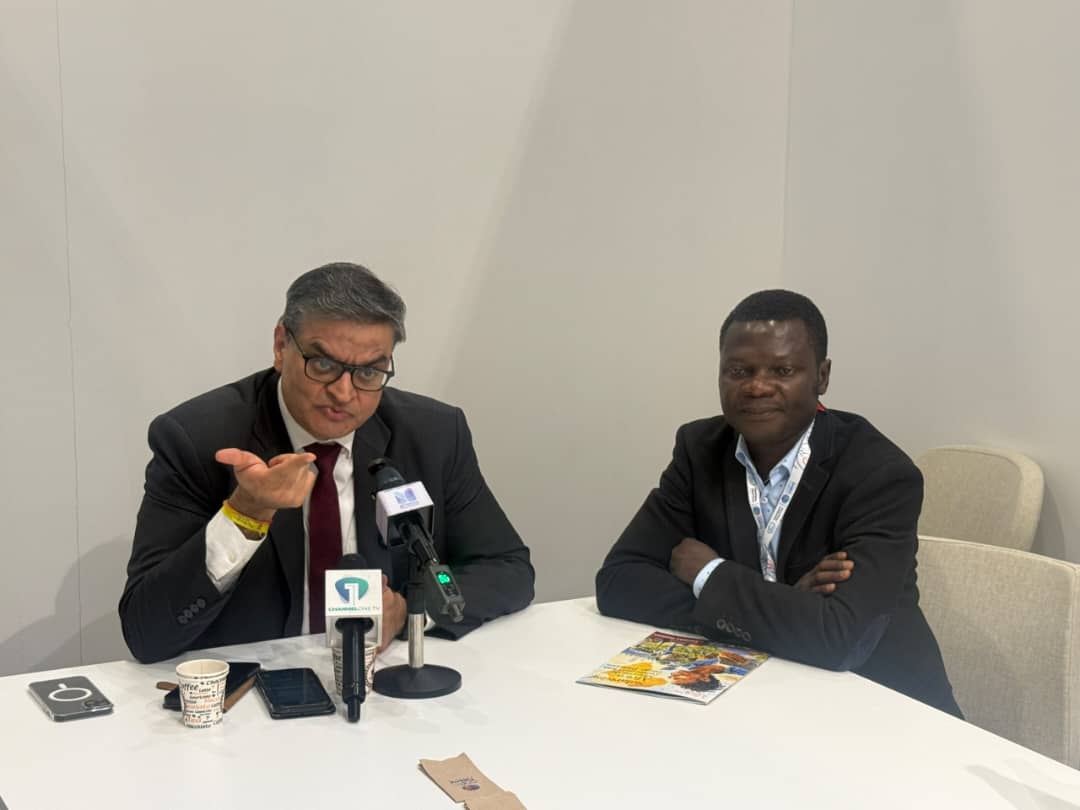
The announcement was made at the Ghana Pavilion at the ongoing COP31 climate conference in Antalya, Türkiye, where government officials and international partners described the development as the result of nearly two decades of work to strengthen forest protection, monitoring and carbon accounting systems.
Ghana’s Ambassador to Türkiye, Abdul Nasiru-Dean, speaking on behalf of the minister for Lands and Natural Resources Emmanuel Amarh Kofi Buah, said the issuance could generate significant financial returns, with the credits carrying an estimated minimum value of US$65 million, subject to eligible transactions and applicable pricing and payment arrangements.
He, however, cautioned that the issuance of credits should not be mistaken for immediate payment.
“Issuance is not payment. The issuance confirms the verified credits. Finance will be realised when transactions are completed and applicable payment requirements are met,” he said.
He explained that the government was working to ensure that proceeds from the transactions supported forest protection and improved the livelihoods of communities whose participation had contributed to the results.
The Ambassador said the achievement was built on Ghana’s sustained commitment to the REDD+ process, which began in 2008, involving successive governments, the Forestry Commission, technical institutions, development partners and forest-fringe communities.
He also called on potential carbon credit buyers and investors to deepen their engagement with Ghana, citing the country’s political stability, institutional capacity and experience in forest carbon accounting.
Nearly two decades of preparation
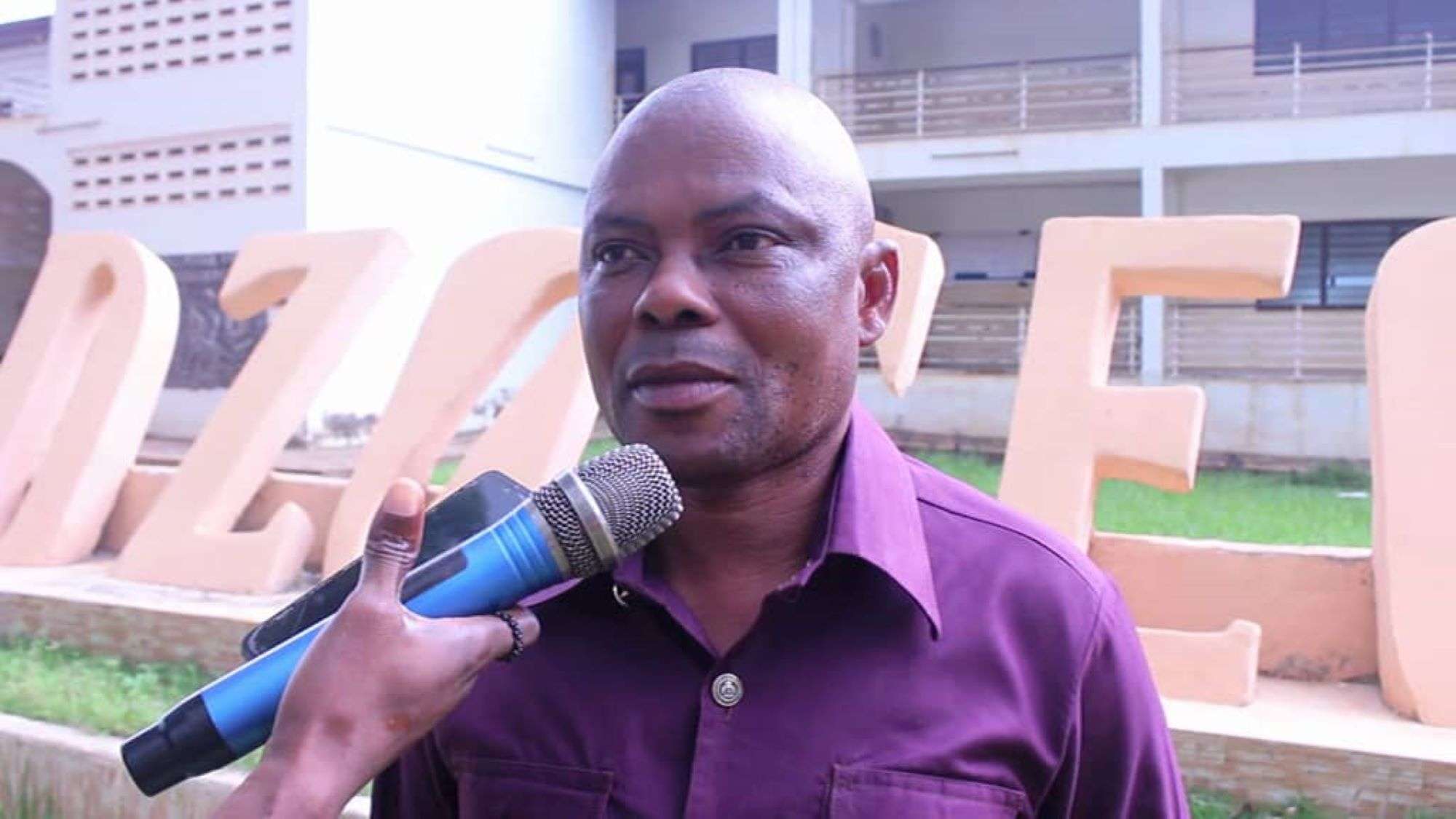
Dr. Joseph Yaw Appiah-Gyapong, Director of the Climate Change Unit, Donor Relations and Projects at the Forestry Commission, said the issuance followed years of investment in national forest monitoring systems, emissions accounting, safeguards and benefit-sharing arrangements.
He explained that Ghana’s REDD+ programme involved consultations with farmers, traditional authorities, civil society organisations, private sector actors and government institutions to ensure that forest protection interventions reflected the needs of affected communities.
According to him, the credits were not a measure of the total carbon stored in Ghana’s forests but represented verified emission reductions against established benchmarks.
He said the programme’s documentation, monitoring reports and supporting evidence had undergone independent validation and verification before the credits were issued.
Among the lessons from the process, Dr Appiah-Gyapong highlighted the importance of investing in national systems, building technical capacity, maintaining reliable data and involving communities throughout implementation.
“Insurance is an important achievement, but it is not the end of the way,” he said, stressing the need to sustain forest monitoring, strengthen institutional capacity and ensure that verified results translate into lasting benefits for forest communities.
Norway backs Ghana’s forest carbon achievement
Norway’s Special Envoy for Climate and Forests, Andreas Dahl-Jørgensen, congratulated Ghana, describing the issuance as the outcome of almost two decades of technical work, consultation, and cooperation.
He said the value of forest carbon credits should be understood beyond the figures and accounting processes, pointing to the development benefits for people living in and around forest areas.
“This is a development choice. It’s not just an accounting exercise of carbon. It is really about an alternative development path that benefits local communities, farmers, and everyone living in and around the forest,” he said.
Dahl-Jørgensen described jurisdictional REDD+ credits as an important instrument for protecting tropical forests and delivering benefits for biodiversity and local communities.
He said Norway would support efforts to communicate Ghana’s achievement to potential buyers and help the country mobilise the resources needed to sustain forest protection.
He also stressed the importance of attracting private finance to reduce deforestation in the current decade, alongside longer-term international forest financing initiatives.
Protecting gains and ensuring community benefits
The Ghanaian delegation acknowledged the contributions of the United Kingdom, the World Bank’s Forest Carbon Partnership Facility, UN agencies, development partners, civil society organisations and other institutions to the country’s REDD+ programme.
The Ambassador said the next phase would require stronger enforcement against illegal logging, action against wildfires, restoration of degraded areas and continued engagement with forest communities.
He emphasised that the government remained committed to ensuring that forest carbon revenue was managed transparently and equitably to support rural livelihoods and strengthen institutions responsible for forest protection.
The Chief Executive of the Forestry Commission, Dr. Hugh Clement Adokwei Brown, also acknowledged the long and demanding process behind the achievement, describing it as both a marathon and a relay, with different teams and officials contributing over the years.
The first issuance is expected to provide a foundation for subsequent reporting cycles and further transactions, as Ghana seeks to strengthen the integrity of its forest carbon programme and attract sustained investment in conservation.