

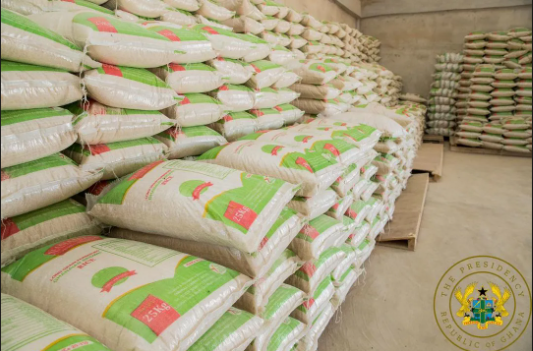
Ghana’s food import expenditure reached GH¢36.46 billion in 2025, according to the latest Annual International Merchandise Trade Statistics Report released by the Ghana Statistical Service.
The figure underscores the country’s persistent reliance on external markets to satisfy demand for essential food items, even as local agricultural output expands and import-substitution initiatives gain momentum.
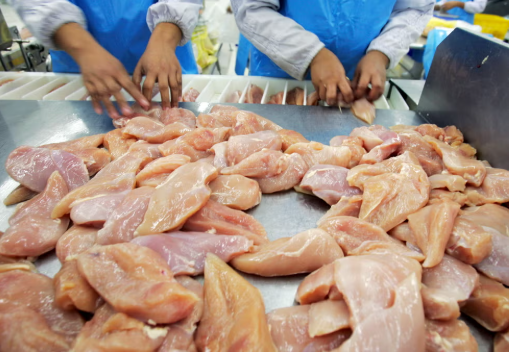
Cereal products and animal-based commodities dominated the import list. Processed cereal grains topped the ranking at GH¢2.94 billion, representing 8.1 per cent of the total food import bill. Frozen chicken followed closely at GH¢2.84 billion, while animal guts, bladders and stomachs accounted for GH¢2.72 billion.
Rice appeared in two separate categories: semi-milled or wholly milled rice cost GH¢2.39 billion, and broken rice added a further GH¢1.19 billion. Together, these four leading items—processed cereal grains, frozen chicken, animal products and rice—made up 30 per cent of Ghana’s overall food import expenditure.
Additional significant imports included sugar, frozen fish, palm oil, mangoes and shea nuts. The concentration of spending on a relatively narrow range of commodities highlights structural gaps in domestic supply chains for staples and protein sources that form the backbone of everyday consumption.
On the export side, the same report reveals encouraging signs of diversification and value addition. Processed cocoa products, cashew nuts, tuna and shea-based goods have emerged as notable contributors to Ghana’s food-related export earnings. These products demonstrate the potential of agro-processing to capture higher returns from the country’s agricultural base.
The stark contrast between the two sides of the trade ledger is revealing. While Ghana continues to generate foreign exchange from traditional and emerging export crops, it remains heavily dependent on imported staples and animal proteins to feed its population. This imbalance exposes the economy to external price shocks, currency fluctuations and supply disruptions.
The Statistical Service report identifies stronger domestic production, expanded agro-processing capacity and greater value addition as essential pathways to narrowing the import gap. By converting more raw agricultural output into finished or semi-finished products for local markets, Ghana could reduce the scale of its food import bill, strengthen food security and build a more resilient agricultural economy capable of meeting both domestic demand and export opportunities.