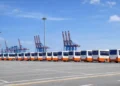

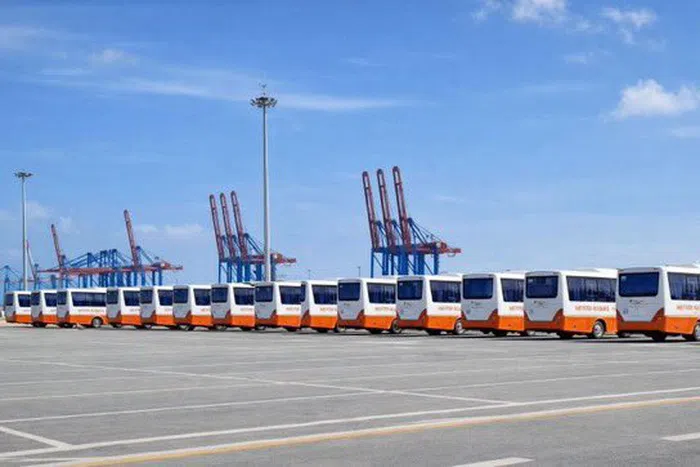
Ghana has taken a major step toward easing the daily commuting burden with the arrival of the first 100 buses under a new national transport relief initiative.
The rollout marks the start of a broader government effort to improve public transportation, reduce congestion, and lower travel costs for commuters across the country.
Government spokesperson Felix Kwakye Ofosu confirmed the delivery of the 29-seater buses, the first batch of a planned 300-bus consignment aimed at addressing transport challenges nationwide.
He noted that the remaining buses will arrive in phases, with another 100 expected in August and the final batch scheduled for delivery in November.
The procurement forms part of wider efforts to strengthen the country’s public transport system and ease pressure on commuters who have faced ongoing difficulties with the availability and reliability of road transport services.

The development comes as major urban centres such as Accra continue to struggle with heavy congestion and long waiting times, especially during peak hours. Many commuters have found it increasingly difficult to access dependable transport amid rising demand.
Authorities have recently acknowledged growing strain on the system, citing a shortage of operational buses alongside rapid urban population growth. There have also been concerns about some private operators allegedly contributing to artificial shortages, further complicating the situation for passengers.
To tackle these issues, the government has intensified efforts to expand state-supported services, including Metro Mass Transit, which provides affordable and reliable bus services nationwide.
The arrival of the new fleet comes at a time when many Ghanaians are dealing with rising living costs, including increased fuel prices that have pushed up transport fares.
With the additional buses, authorities hope to stabilise costs and provide relief—particularly for workers and students who rely on daily commuting.