
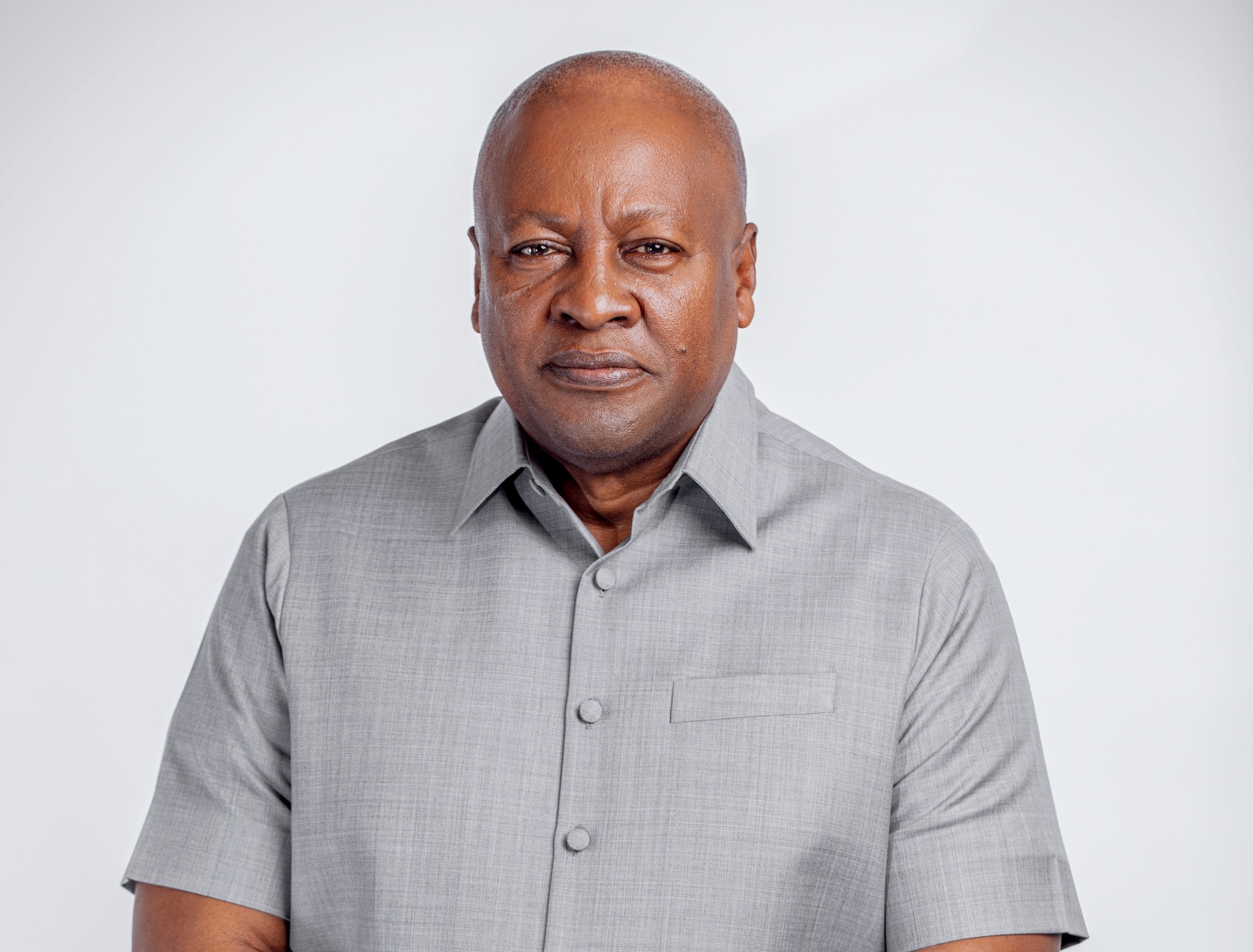
President John Dramani Mahama has convened an emergency cabinet meeting to consider urgent measures to cushion Ghanaians against rising fuel prices driven by tensions in the Middle East.
Speaking on the second day of the Kwahu Business Forum on Saturday, April 4, 2026, he said the meeting will focus on practical interventions to ease the impact of increasing petroleum costs.
“I have called for this emergency cabinet meeting to decide on specific measures we can take to cushion petroleum prices while we hope the conflict comes to an end. There are adjustments we can make, particularly in the margins, to help maintain relatively stable prices as we pray for the war to cease,” he stated.
The President reaffirmed his administration’s commitment to reducing the burden on citizens, noting that the cabinet will review key elements of the fuel price structure to identify relief options.
“I can confidently tell you that the economy will not collapse because of the war in Iran,” he emphasised.
He also praised transport unions for holding off on increasing lorry fares despite rising fuel costs, describing their restraint as vital in managing the situation.
Fuel prices rose sharply from April 1, 2026, with petrol and diesel expected to surge at the pumps.
According to the latest outlook report by the Chamber of Oil Marketing Companies (COMAC), a litre of petrol could rise by 8.06% to about GH¢15.19.
Diesel rose by 9.76%, pushing the price to around GH¢17.85 per litre.
Liquefied Petroleum Gas (LPG) is also expected to increase marginally, with a litre likely to sell at about GH¢16.59.
This was the fifth projected increase in fuel prices since January 2026 and the second time this year that consumers are facing such a steep hike.
The development is likely to trigger fresh calls for transport fare adjustments by operators across the country.
The price surge has been driven largely by developments on the global market. Crude oil prices climbed sharply from $86.55 per barrel to $109.66 per barrel, amid rising geopolitical tensions in the Middle East and supply risks along key shipping routes such as the Strait of Hormuz.