

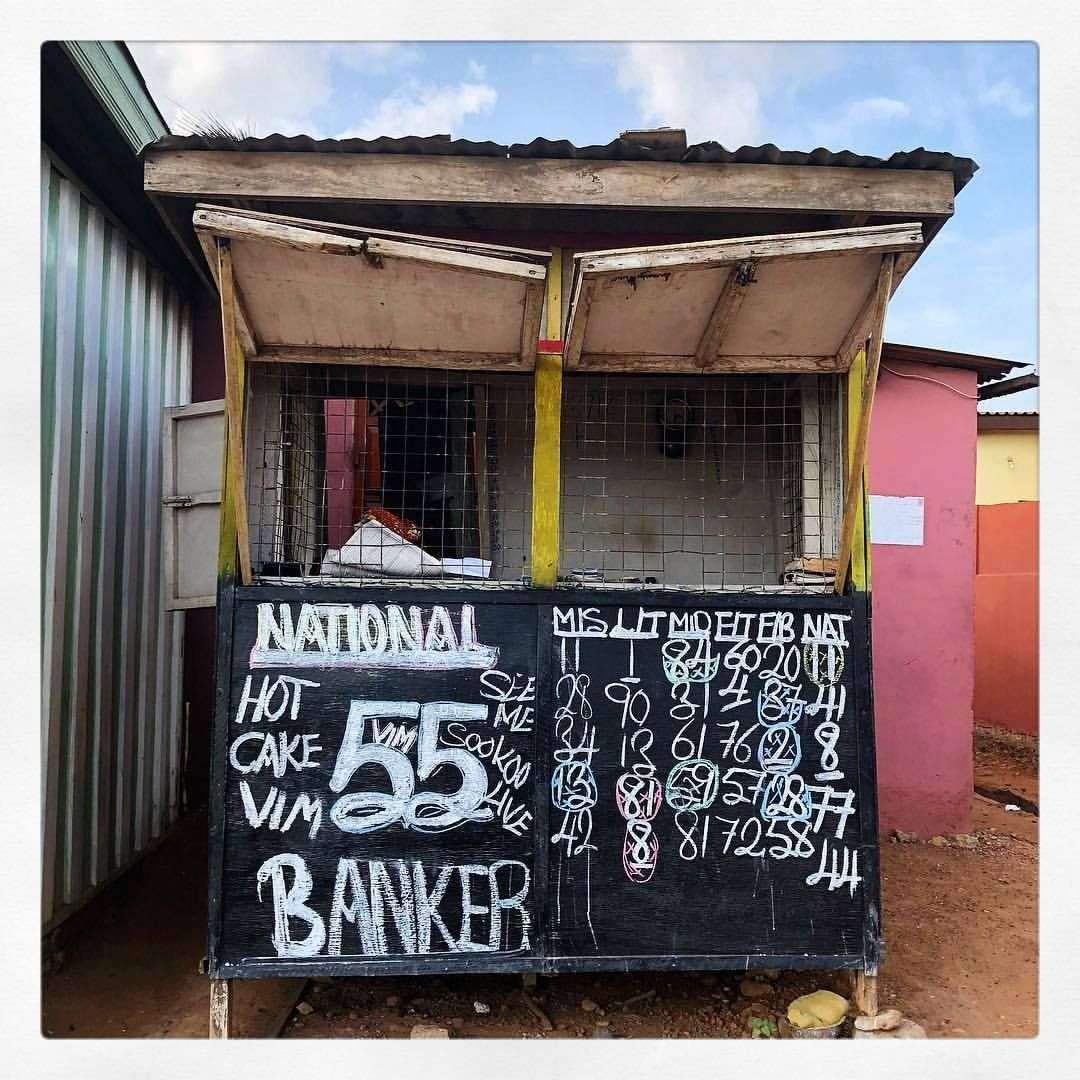
The Ghana Lotto Operators Association (GLOA) has issued a press statement urging stakeholders, the media, and the general public to avoid comparing the GHS 44.9 million contributed by 29 licensed Private Lotto Operators to the National Lottery Authority (NLA) with the over GHS 173 million generated by KGL for the same institution.
According to GLOA, such comparisons fail to reflect the structural and operational differences between the two models within Ghana’s lottery ecosystem. The Association further acknowledged KGL as the largest contributor to NLA revenue, noting its significant role in helping the Authority achieve its core mandate of revenue generation for the state.
Legal Framework and Revenue Mandate
GLOA referenced Section 2(1) of the National Lotto Act, 2006 (Act 722), which states that the National Lotto is conducted primarily for the purpose of raising revenue for the nation. On this basis, the Association argued that KGL’s performance aligns strongly with the statutory objective of the NLA.
The statement emphasized that while revenue generation remains the primary mandate of the NLA, it also indirectly supports job creation and grassroots economic activity through various distribution channels, including USSD platforms, point-of-sale terminals, and traditional paper-based systems.
Different Business Models in the Sector
GLOA explained that KGL operates as a collaborator under Section 2(4) of Act 722, working within a digital lottery framework integrated with telecommunications infrastructure.
The Association further noted that many Private Lotto Operators fall outside the formal classification of Lotto Marketing Companies or collaborators under Act 722, and are instead regulated under provisions of the Veterans Administration, Ghana Act, 2012 (Act 844), through licensing by the NLA.
Despite these distinctions, GLOA maintained that it is not inappropriate to compare revenue figures, given that Private Lotto Operators collectively control a significant portion of the market, estimated between 70 to 80 percent.
Debate on Market Advantage and Digital Platforms
The statement also addressed perceptions that digital platforms automatically guarantee higher performance. GLOA argued that lottery participation is voluntary and that success in the sector requires substantial capital investment in infrastructure, software integration, ISO certification, cybersecurity systems, and marketing.
It further suggested that digital success is not guaranteed by access alone, citing earlier NLA-led initiatives such as MOBI GAME 2 SURE (2008) and MOBILE 5/90 (2015–2017), which reportedly underperformed and were discontinued due to low revenue generation.
Historical Performance of Digital Lottery Initiatives
GLOA referenced historical revenue data from past NLA digital initiatives, including MOBILE 5/90, which generated GHS 517,967.50 in 2015, GHS 1,259,185.10 in 2016, and GHS 367,812.30 in 2017 before being discontinued.
Similarly, USSD-based initiatives such as *890# VAG Lotto and NLA 5/90 recorded relatively low revenues in 2020, reportedly GHS 31,786.85 and GHS 938,005.14 respectively. These figures, according to the statement, highlight the challenges previously faced in scaling digital lottery platforms.
Infrastructure Investment and Operational Costs
GLOA stressed that KGL bears significant infrastructure and operational costs, including system upgrades, cybersecurity protection, integration with telecom networks, marketing, CSR initiatives, and payment of winnings.
The Association argued that these investments, which run into millions of dollars, demonstrate the scale of responsibility undertaken by KGL in ensuring the sustainability of its operations.
KGL’s Financial Contributions and Social Impact
According to the statement, KGL contributes significantly beyond statutory payments, including GHS 3 million annually to the NLA Stabilization Fund and GHS 2 million annually to the NLA Good Causes Foundation.
GLOA noted that these contributions exceed the individual licensing fees paid by Private Lotto Operators, which stand at approximately GHS 1.5 million each.
The Association also credited KGL with supporting over one million livelihoods through direct and indirect employment, spanning telecommunications companies, banks, media houses, advertising agencies, and other service providers within its operational ecosystem.
Broader Economic Contributions
GLOA further claimed that KGL’s activities contribute over GHS 1 billion annually to Ghana’s wider economy through taxes, investments, and social development initiatives in education, healthcare, and sports.
The statement emphasized that such contributions demonstrate the broader economic value of the company beyond lottery revenue alone.
Call for Industry Cooperation
GLOA concluded by calling for a balanced and cooperative approach within Ghana’s lottery sector, stressing that both digital collaborators and traditional operators play essential roles in revenue generation and employment creation.
The Association urged stakeholders to focus on coexistence and industry development rather than competition and division, noting that the lottery market remains underdeveloped and capable of accommodating multiple operational models.
It emphasized that while KGL plays a key role in revenue generation for the state, Private Lotto Operators also contribute significantly to employment and grassroots economic activity.