
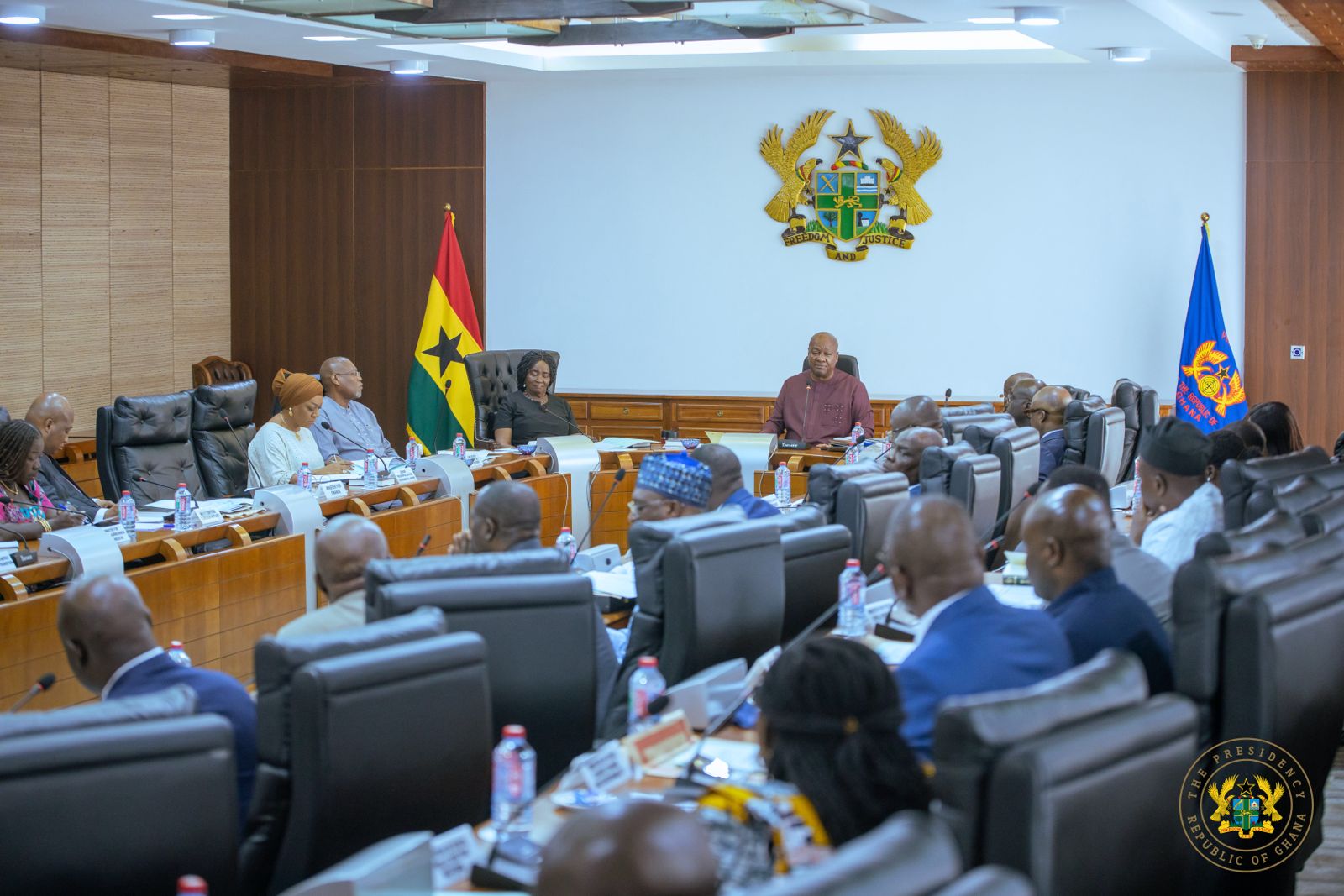
An emergency Cabinet session has outlined a series of urgent measures aimed at addressing rising fuel prices and easing transportation costs for citizens.
The meeting, convened in response to recent global developments affecting crude oil prices, produced key directives for the Ministries of Finance, Energy, and Transport, as well as strict instructions for all government officials.
According to the outcomes of the session, the Cabinet has directed the Minister for Finance and the Minister for Energy to take immediate steps to ensure a reduction in fuel prices during the next pricing window.
This will be achieved through the suspension of certain taxes and margins applied to petroleum products. The specific taxes and margins to be suspended are expected to be announced at the next pricing adjustment period.
The directive is intended to provide short-term relief to consumers, particularly in light of increasing global volatility in oil markets. Authorities have indicated that the suspension will remain in effect for four weeks, after which it will be reviewed depending on the evolving geopolitical situation in the Middle East and fluctuations in global crude oil prices.
The government has emphasised that the decision is a temporary intervention designed to stabilise domestic fuel prices and cushion households and businesses from external shocks.
The review mechanism will allow policymakers to reassess the effectiveness of the measures and determine whether they should be extended, modified, or withdrawn.
In addition to fuel price interventions, the Cabinet has also issued directives aimed at improving public transportation and reducing commuting costs.
The Minister of Transport has been instructed to expedite the deployment of 100 newly acquired Metro Mass Transit buses. These buses are expected to operate along high-traffic corridors where commuter demand is highest.
The government further directed that fares on these Metro Mass Transit buses must remain lower than those charged by private transport operators.
This measure is intended to provide an affordable alternative for commuters and help reduce the financial burden on daily travellers, especially workers and students who rely heavily on public transport.
Officials believe that the expanded fleet, combined with controlled fares, will help improve accessibility and reliability in the public transport system. It is also expected to increase competition in the transport sector, potentially encouraging private operators to adjust their pricing structures.
In a separate but related directive, Cabinet emphasised strict compliance with earlier instructions issued by the President regarding the cancellation of fuel allocations and allowances for government officials. All ministers and senior government appointees have been ordered to adhere strictly to this policy without exception.
The decision forms part of broader efforts to demonstrate fiscal discipline and ensure that public resources are managed efficiently during a period of economic pressure.
The government sources indicate that the removal of fuel allocations and allowances is aimed at reducing public expenditure and reinforcing accountability at the highest levels of leadership.
Overall, the emergency Cabinet session reflects a multi-pronged approach to addressing fuel price pressures, improving public transportation, and enforcing austerity measures within government.
Authorities have expressed confidence that these interventions will provide immediate relief to citizens while supporting broader economic stability in the coming weeks.