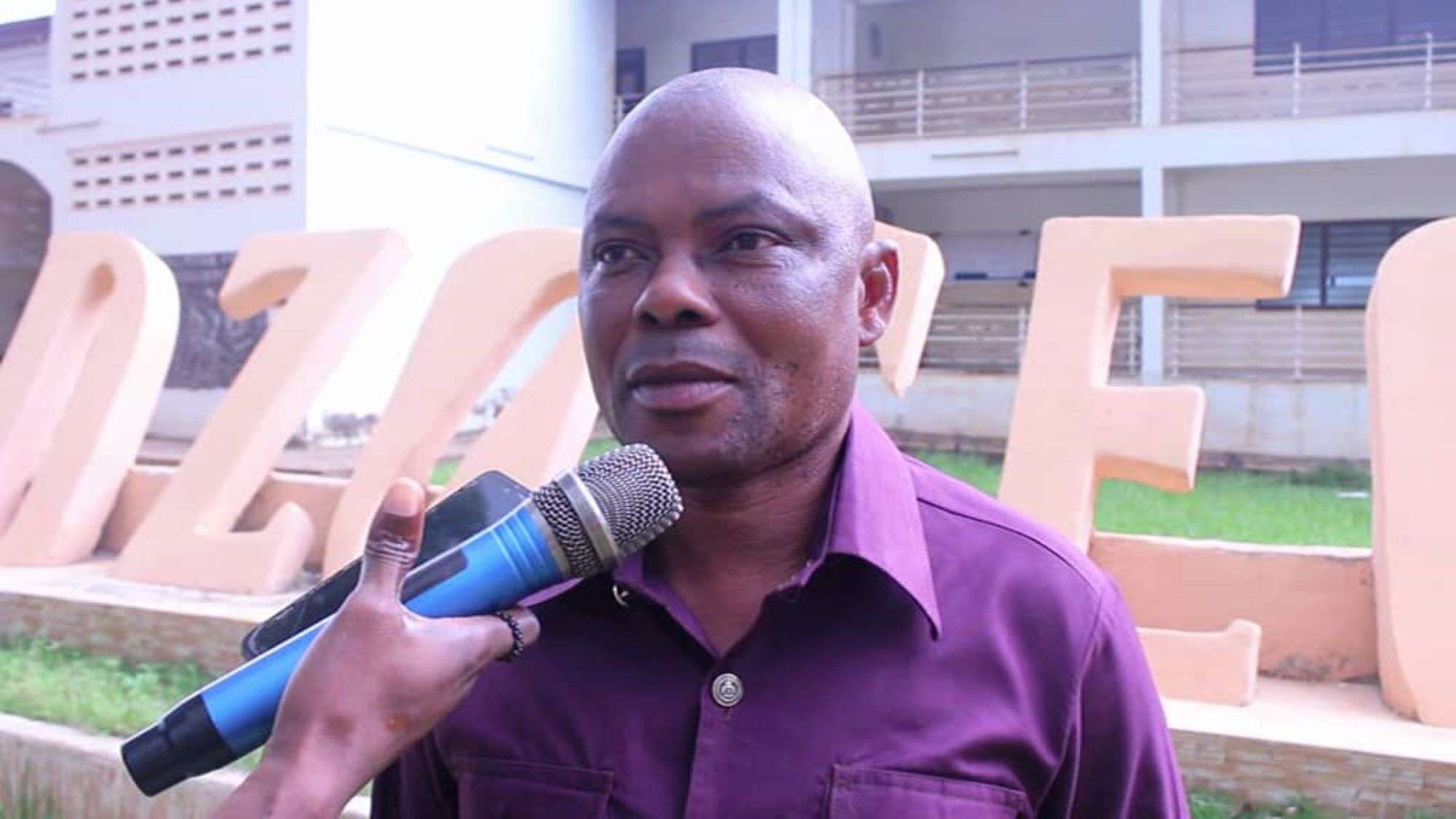


The Deputy General Secretary of the governing National Democratic Congress (NDC), Mr. Mustapha Gbande, has admitted that he personally instructed the Economic and Organised Crime Office (EOCO) to arrest the Manhyia South Member of Parliament, Nana Agyei Baffour Awuah.
In a rather shocking admission that is likely to trigger fresh questions about political interference in the work of law-enforcement agencies, Mr Gbande said he met with EOCO boss Raymond Archer and expressly told him to arrest the New Patriotic Party (NPP) lawmaker.
“I told him to arrest Baffour Awuah. I wouldn’t lie about it,” Mr Gbande said in an interview on JoyNews.
He reinforced the admission, declaring, “I met the EOCO boss; I told him to arrest the guy. Let the whole world come to an end. Arrest him.”
It is being rumoured that Mr Gbande’s intervention was connected to Baffour Awuah’s role as lawyer for senior nursing officer Salomey Awiti-Baffoe.
However, Mr Gbande claimed the order was in connection with what he described as the refusal of the MP to honour the invitation of EOCO.
He argued that allowing a public official to openly challenge a law-enforcement agency to arrest him could weaken the authority of state institutions.
“I made that statement from a security perspective,” he explained, insisting that no individual should consider himself above the law or deliberately defy an invitation from an investigative agency.
Mr Gbande said Baffour Awuah should simply have honoured EOCO’s invitation, made his statement, and left, rather than hold a news conference to challenge the agency.
“There’s no law that says that when a law enforcement agency is doing its work, it should come to media houses and tell them that I’m going to arrest somebody,” he said.
The NDC official maintained that where an individual is suspected of committing an offence, the appropriate law-enforcement institution has the authority to investigate and take lawful action.
However, his admission that he personally instructed the head of EOCO to arrest an opposition Member of Parliament has raised a fundamental question: what authority does a governing-party official have to direct an independent state investigative institution to arrest a political opponent?
The issue could become particularly contentious given the constitutional and statutory responsibilities of law-enforcement bodies and the requirement that criminal investigations be conducted independently and according to law.
The controversy began on September 23, 2026, when EOCO officials attempted to take Baffour Awuah into custody at the Accra High Court.
EOCO subsequently said the attempted arrest formed part of an ongoing investigation and followed two invitations issued to the MP in February 2026, a claimed that was rejected by Honourable Baffour Awuah
Baffour Awuah disputed that account.
He said the officer who approached him at the High Court initially failed to provide an arrest warrant.
The confrontation subsequently moved into the courts.
Following the court order, Baffour Awuah reported himself to EOCO on October 1, accompanied by his lawyers and some Members of Parliament.
He was subsequently charged with three offences and granted GH¢10 million bail with two sureties after pleading not guilty.
The case has been adjourned to October 26.
By Collins Adu-Gyamfi