

Ghana’s $10 billion merchandise trade surplus in 2025 has exposed the risks associated with the country’s heavy dependence on gold exports, with the Institute of Statistical, Social and Economic Research (ISSER) warning that sustained economic recovery will require stronger manufacturing and increased domestic value addition.
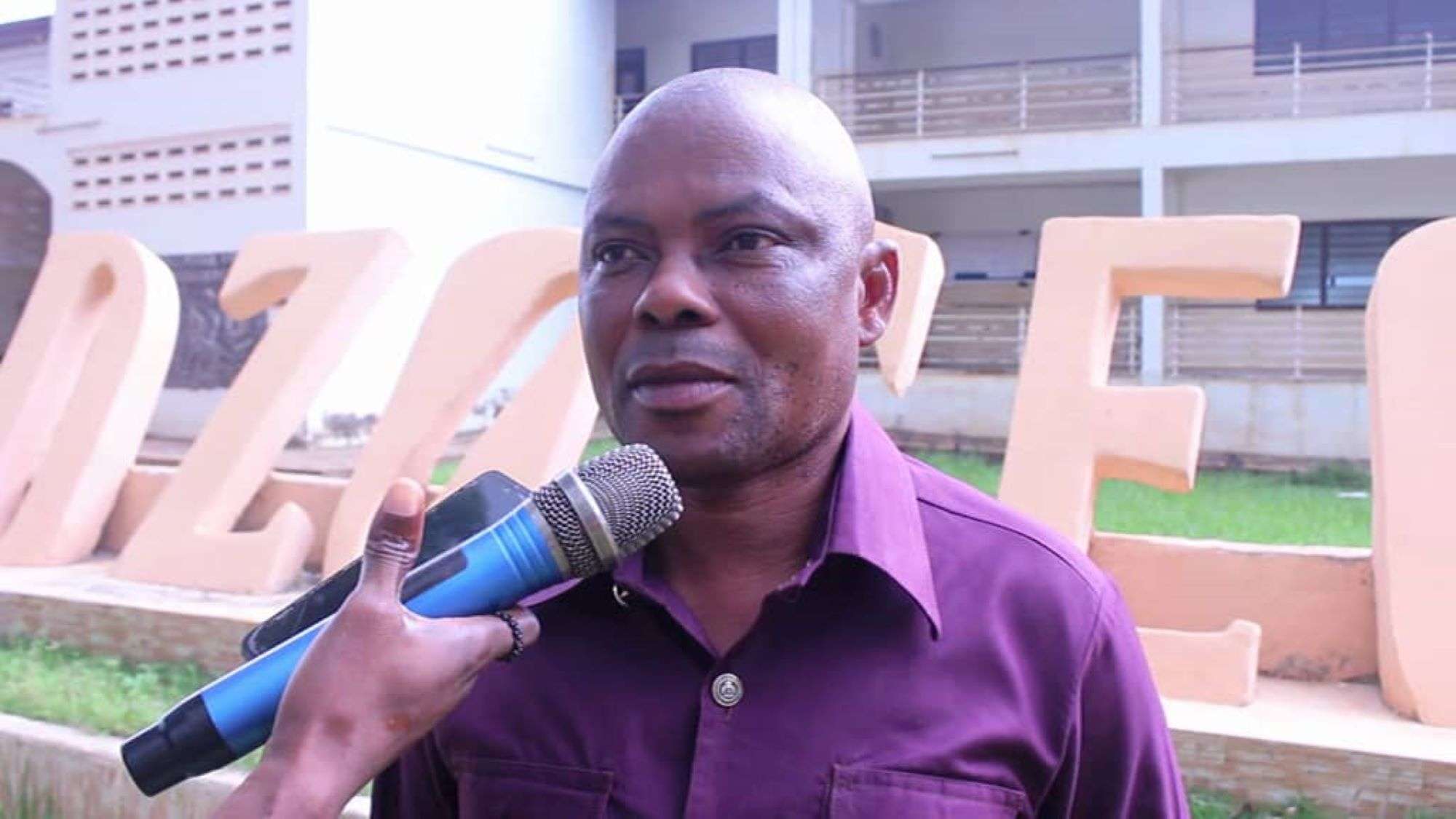
ISSER Director, Professor Robert Darko Osei, said the trade surplus was largely driven by gold exports, leaving Ghana vulnerable to changes in international commodity prices beyond its control.
Speaking at the launch of the 2025 State of the Ghanaian Economy Report (SGER), he said the country needed to use its improved macroeconomic conditions to build a more diversified and resilient economy.
“The position that we have found ourselves in is being driven by a sector that we do not have significant control over,” he said.
Prof. Osei warned that favourable gold prices could not be relied upon indefinitely, urging the government to strengthen productive sectors and accumulate external reserves to cushion the economy against future shocks.
Manufacturing contribution remains low
According to Prof. Osei, the recovery in cocoa exports contributed relatively little to the improvement in Ghana’s trade balance, while gold remained the dominant driver.
He said manufactured goods accounted for less than six per cent of total exports in 2025, with their share declining compared with 2024.
The figures, he said, highlighted the need for policies that would increase the volume and competitiveness of manufactured exports.
He stressed that processing more of Ghana’s natural resources locally would help broaden the country’s export base, retain more value domestically and reduce its exposure to commodity price volatility.
Stability must translate into affordable credit
Prof. Osei said Ghana had recorded significant macroeconomic improvements in 2025, including a decline in inflation from more than 23 per cent in 2024 to 5.4 per cent.
The cedi also appreciated significantly during the year, while average bank lending rates declined from more than 30 per cent to about 20 per cent.
Despite these improvements, he said borrowing costs remained a major constraint on businesses seeking to expand operations, invest in production and compete effectively.
“If credit is a binding constraint for private businesses in Ghana, clearly we cannot be competitive,” he said.
He argued that the next phase of the recovery should focus on ensuring that improved monetary conditions translate into affordable financing for productive private-sector activities.
Non-performing loans, he added, continued to put pressure on lending rates because banks had to account for the risk of borrowers failing to repay their facilities.
Using a hypothetical non-performing loan rate of 20 per cent, he explained that a bank lending GH¢100 could face the prospect of failing to recover about GH¢20.
He called for measures to address the underlying causes of loan defaults and strengthen the banking sector’s capacity to support productive investment.
Fiscal gains require sustained discipline
On fiscal policy, Prof. Osei urged the government to strengthen domestic revenue mobilisation, maintain fiscal discipline and protect public investment.
He said policies that had contributed to fiscal stability should be institutionalised to prevent a reversal of the gains achieved.
For Ghana to sustain its recovery, he said, macroeconomic stability must be accompanied by stronger domestic production, more competitive exports and improved access to business financing.
ISSER calls for better management of mineral wealth
The Head of the Economics Division at ISSER, Prof. Fred Dzanku, also raised concerns about the extent to which increased mining revenues had translated into public investment and improved social services.
He called for better mineral valuation, production monitoring, tax compliance and revenue administration, alongside greater transparency and accountability in the use of mineral proceeds.
Prof. Dzanku said the economic recovery had continued into 2026, but its benefits remained uneven.
Although first-half growth was reported at about 6.1 per cent, he said economic expansion was concentrated in fewer sectors than in the previous year.
He further warned that Ghana’s trade surplus remained heavily dependent on gold receipts, while the performance of other exports showed signs of deterioration.
NIB urges shift towards productive investment
The Deputy Managing Director in charge of Business and Operations at the National Investment Bank (NIB), Belinda Boamah, urged the government to convert macroeconomic improvements into productive investment, competitive enterprises and decent employment, particularly for young people.
In her closing remarks as chairperson of the event, she said Ghana needed to ensure that mineral wealth generated lasting development through transparent revenue management, timely transfers to mining communities, savings during favourable periods and decisive action against illegal mining.
She also called on financial institutions to provide affordable, long-term financing to businesses in agriculture, manufacturing and value addition.
Ms Boamah encouraged policymakers, development partners, businesses, academia, civil society and the media to use the SGER to support evidence-based decision-making and accountability.
She said NIB would continue to draw on such research to inform its lending decisions.