
The Ghana Journalists Association (GJA) has recorded more than 50 incidents of attacks, assaults, arrests, threats and harassment against journalists between 2022 and January 2026, raising concerns about the safety of media practitioners and press freedom in the country.
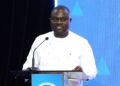
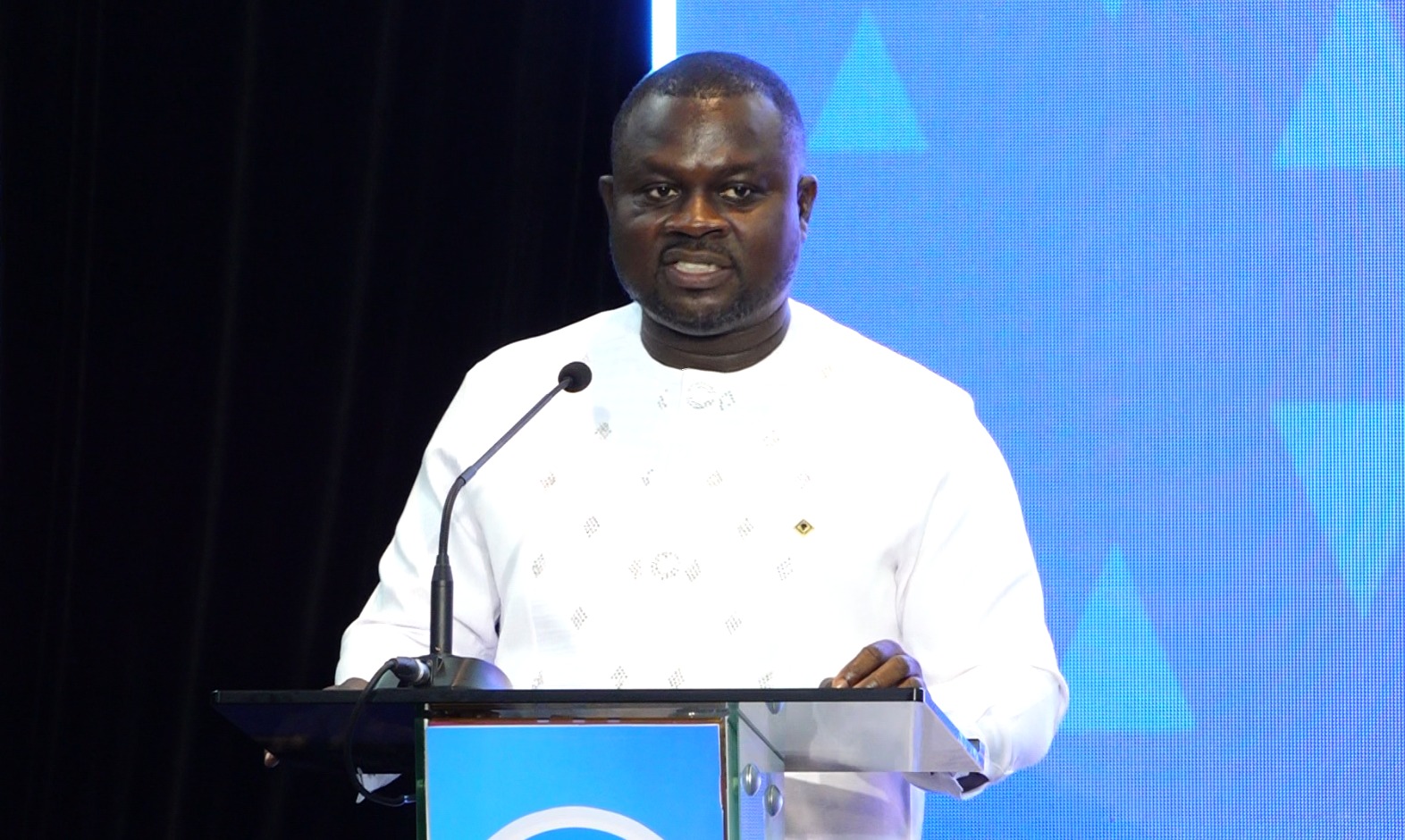
GJA President Albert Kwabena Dwumfour disclosed this at the Association’s 30th Media Awards in Accra, where he called for stronger measures to protect journalists and ensure accountability for perpetrators.
According to him, five incidents were recorded in January 2026 alone, three of which allegedly involved personnel of state security agencies.
He said “While celebrating progress, we cannot ignore the attacks and threats confronting journalists.”
He said journalists continued to face threats, intimidation and physical attacks while performing their professional duties, particularly when covering sensitive issues involving public officials, security operations and powerful institutions.
Among the incidents cited by the GJA were attacks on journalists covering the Council of State elections, suspected illegal mining activities in the Western Region, security operations in Bawku and Walewale, and demolition exercises at Labadi and Laboma beaches in Accra.
The Association also highlighted the alleged assault of three journalists by police officers in April 2025, an attack on journalists at the Economic and Organised Crime Office (EOCO) in May 2025, and the alleged assault of Class FM journalist Samuel Addo by personnel of the Ghana National Fire Service in 2026.
Another incident involved Obrempongba Benjamin Kwame Owusu, a journalist with Adom News, Adom TV and FM, who was allegedly assaulted by military personnel enforcing a curfew in Nkwanta South in the Oti Region.
Dwumfour acknowledged that arrests and disciplinary measures had been taken in some cases but insisted that these must be followed by transparent investigations and appropriate sanctions or prosecution where evidence supports such action.
“Our responsibility is to consolidate the gains and address persistent challenges including journalist safety,” he added.
He urged the Inspector-General of Police and the Police Administration to treat attacks on journalists as serious offences and establish a dedicated focal point to receive complaints and provide updates on investigations.
He also called on the Ghana Armed Forces, Ghana National Fire Service, National Security and other security institutions to cooperate with investigations, preserve evidence and sanction personnel found culpable.
“No individual should be shielded from accountability because of their uniform, rank, political affiliation or public position,” he stated.
The GJA President further renewed calls for a national journalist safety framework and a rapid response mechanism to provide emergency assistance, legal representation, medical care and psychological support to journalists who suffer attacks.
Director-General of the Ghana Broadcasting Corporation (GBC), Professor Amin Alhassan, also called for expedited police investigations and quicker judicial determination of cases involving attacks on media practitioners.
He said several cases remained unresolved and urged the relevant institutions to ensure that perpetrators were brought to justice.
Meanwhile, Executive Secretary of the National Media Commission (NMC), George Sarpong, warned that economic pressures and political tensions could expose journalists to increased threats.
He called for stronger collaboration among media stakeholders and state institutions to identify and address potential threats before they escalate.
The GJA maintains that protecting journalists is essential to safeguarding press freedom, strengthening accountability and ensuring that media practitioners can carry out their professional responsibilities without fear or intimidation.