The Minority in Parliament has called for full transparency and accountability in the management of the recently introduced GH¢1 ‘dumsor’ levy, raising concerns about how the funds are being collected and utilised.
According to the caucus, the levy places an additional burden on households and businesses already grappling with the high cost of living. While acknowledging the government’s justification that the charge is necessary to stabilise the energy sector, they insist there must be clear assurances that the proceeds are used strictly for that purpose.
The Minority is demanding a detailed breakdown of the revenue generated so far, along with a clear roadmap outlining how the funds will be used to address persistent power outages and improve electricity supply nationwide. They warn that without transparency, public confidence in the policy could erode further.
The levy, introduced as part of efforts to stabilise Ghana’s energy sector and address legacy debts, has remained a subject of intense public debate.
The development comes after John Dramani Mahama convened an emergency cabinet meeting to deliberate on urgent measures to shield Ghanaians from rising fuel prices linked to ongoing tensions in the Middle East.
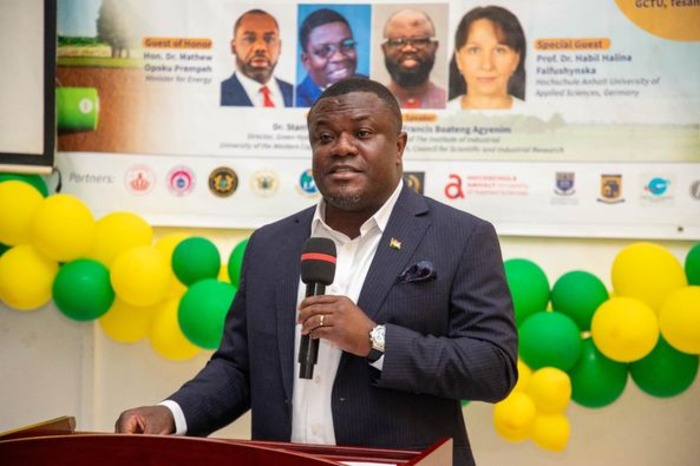
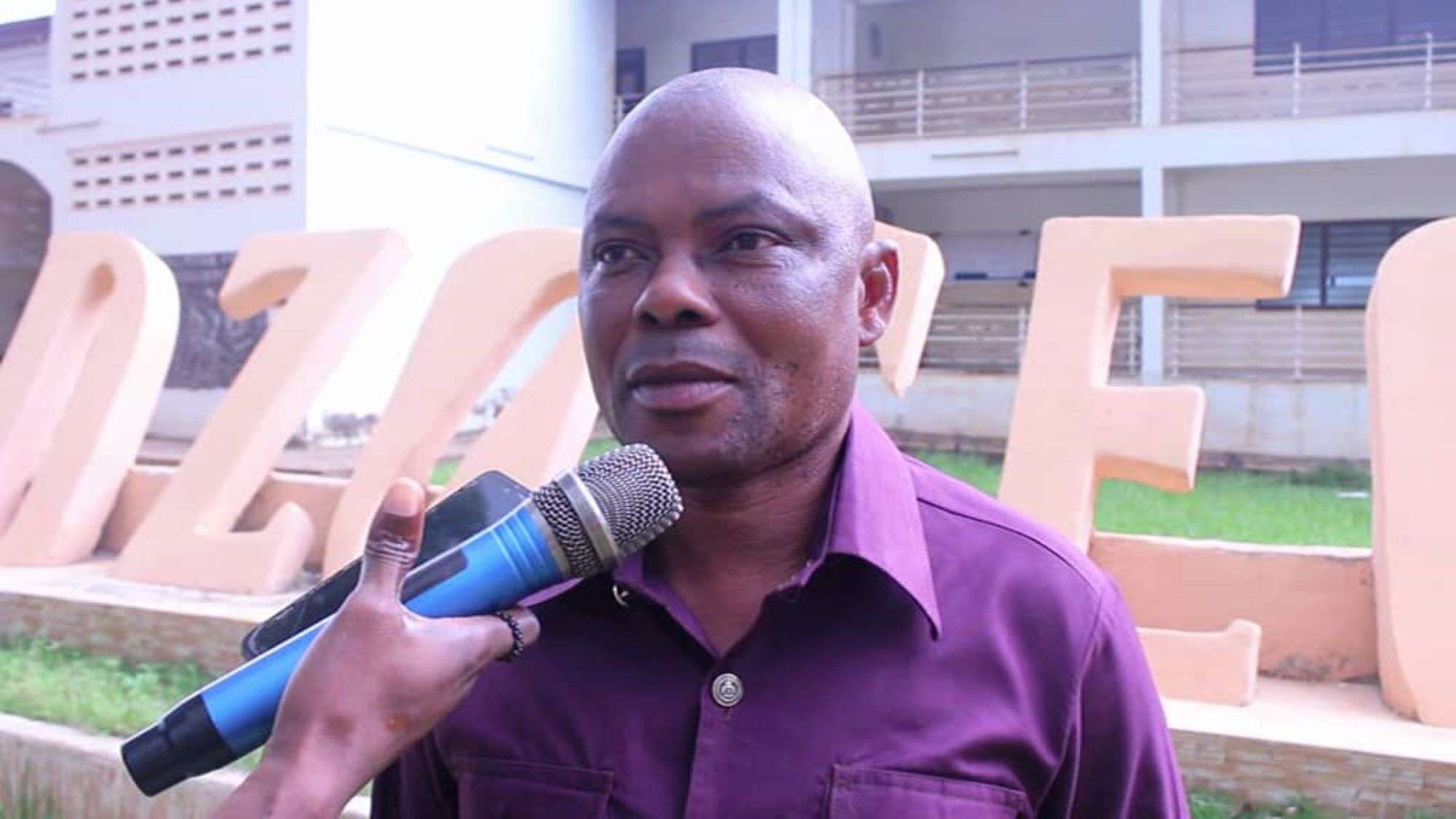
Speaking to Citi FM, the Deputy Ranking Member on Parliament’s Energy Committee, Collins Adomako Mensah, emphasised that Ghanaians deserve value for money, especially at a time of mounting economic pressure and rising utility bills. He also urged the government to involve Parliament more actively in monitoring the use of the levy.
He said, “It is a welcoming news although we have not been given specific details as to which levies or taxes or margins will be taken off or suspended. The Minority welcomes the attempt by the government to cushion the Ghanaian people.”
He further called on the government to provide a clear account of the GH¢1 fuel levy paid by consumers.
Adomako added, “The law stipulated that the government was to report to Parliament by the 31st of March as to how much has accrued to the fund from the GHS1 and how it has been used. Up till now, that has not been presented to Parliament. We are not too sure how much has come and how it has been used.”
Meanwhile, the Africa Centre for Energy Policy (ACEP) has cautioned that scrapping the controversial levy could ultimately do more harm than good, warning that such a move may shift financial pressure onto ordinary Ghanaians rather than provide the expected relief.
The Executive Director of ACEP, Benjamin Boakye, noted that funds generated from the levy play a critical role in servicing debts within the power sector, maintaining infrastructure, and ensuring a consistent electricity supply.
According to the policy think tank, eliminating the levy without a clear and sustainable alternative revenue stream would create a financing gap that the government would still need to fill.
Speaking in an interview on Citi FM on Wednesday, April 8, 2026, he said the GH¢1-per-litre levy, introduced to service energy sector debts, cannot be withdrawn without creating pressure elsewhere in the economy.
“If you take that one cedi out now, then there has to be some fiscal space created somewhere else, whether you suspend road construction, the building of schools, or even salaries…There will be some debt created for the same consumer to pay in other ways,” he said.