
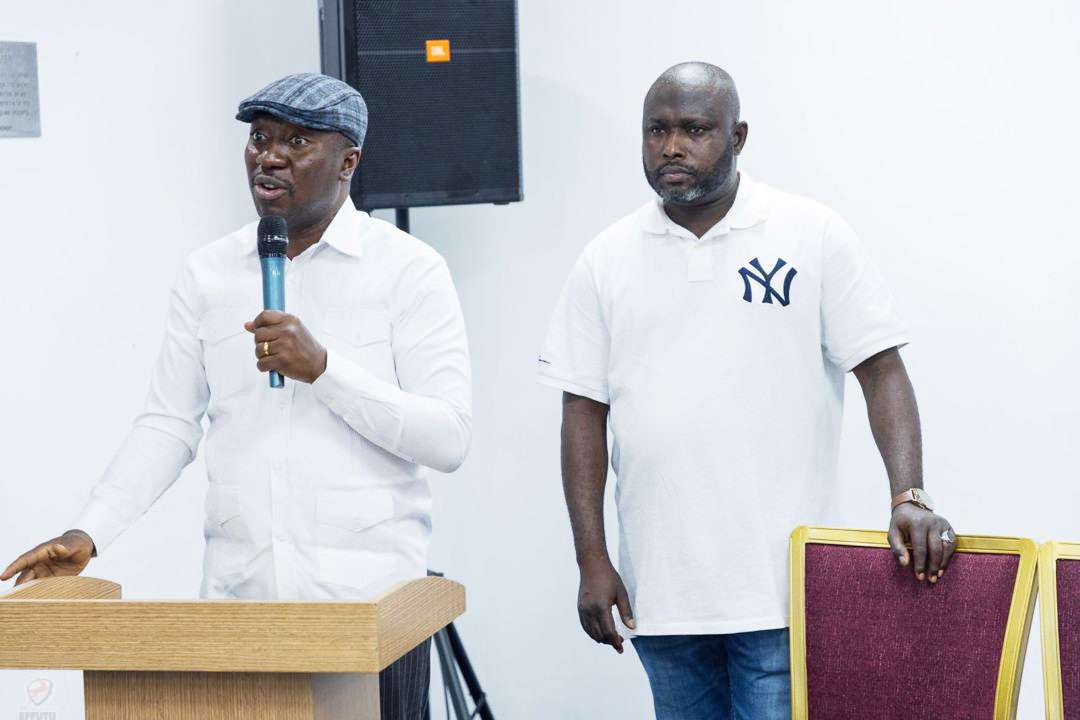
Members of the Minority New Patriotic Party (NPP) in Parliament have met at the weekend to brainstorm and strategise ahead of the resumption of parliament tomorrow.
The lawmakers went on recess about two months ago after the first meeting of the first session of the ninth Parliament.
The 88-member minority caucus, which has often described itself as “a few but mighty minority,” under the leadership of Osahen Alexander Afenyo-Markin, has so far been incredibly effective in holding the majority National Democratic Congress (NDC) and its allies accountable to Ghanaians.
In a brief interview with journalists after the strategic meeting, the Minority Leader, Osahen Afenyo-Markin promised his side will work diligently to ensure NPP returns to power after the 2028 general election.
It was therefore important to meet to plan on how to ensure NPP becomes a viable alternative and also to make sure Ghana’s democratic principles and rights of the citizens are duly protected.
“This morning we met as a caucus to strategise for the second meeting of parliament.
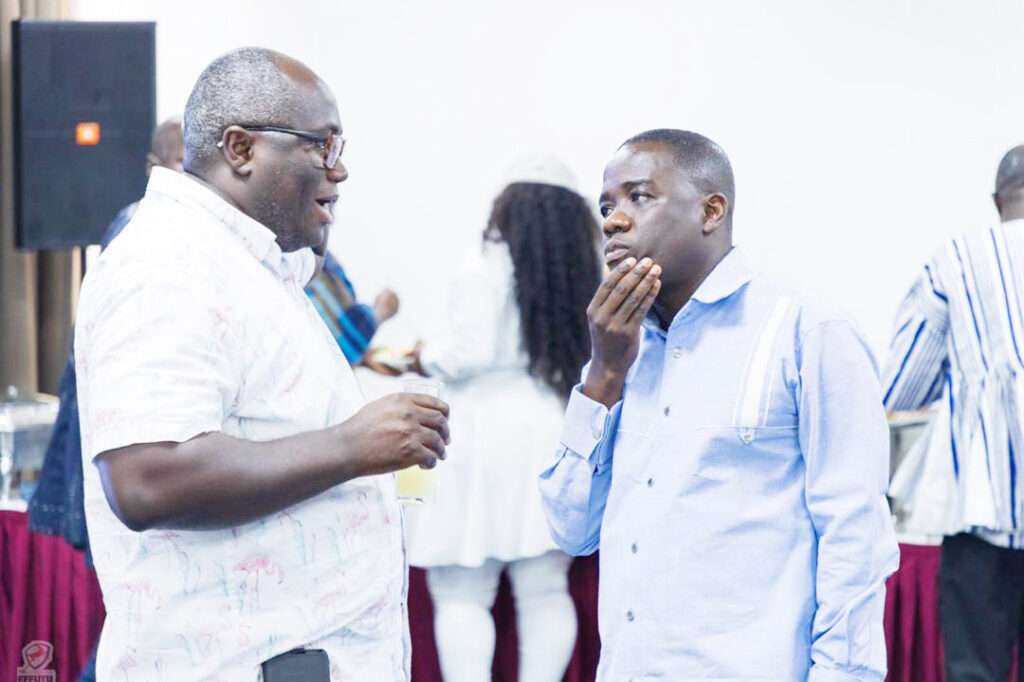
“It is a meeting of committee leaders to plan how to effectively ensure that the right things are done in our country.
“We want the good of our democracy and we are sending a strong message to our opponents that we will hold their feet to the fire.
“At the same time we are going to be a responsible opposition and assure Ghanaians that we’re ready to take the reigns of government in 2028 to make Ghana better,” Osahen Afenyo-Markin who is also the MP for Effutu told journalists.
Intimidation
Earlier, the Minority Leader lashed out on the NDC government, accusing the Mahama-led administration of becoming increasingly intolerant of political dissent.
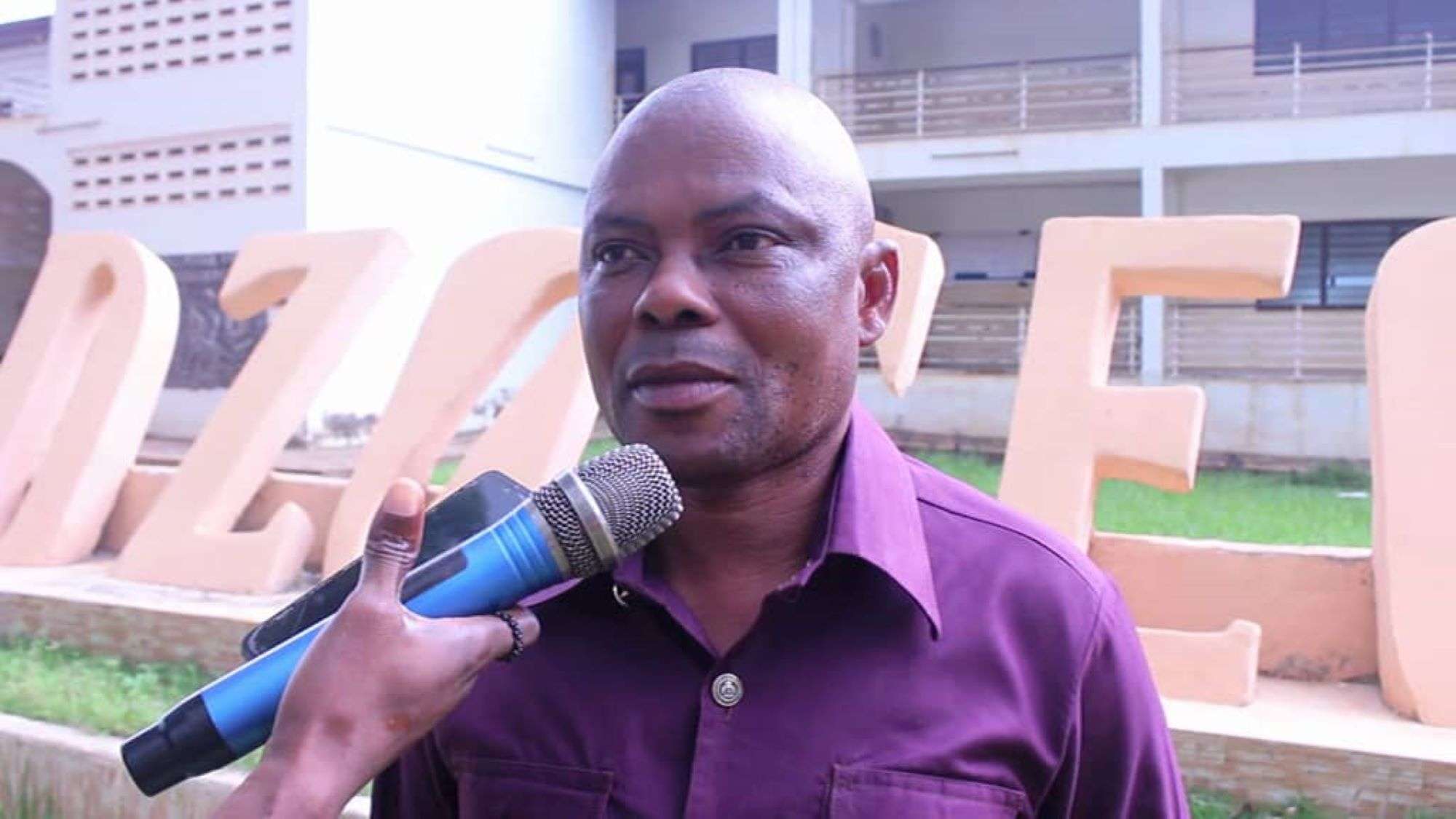
Osahen Afenyo-Markin’s criticism followed the controversial arrest of NPP activist, Alfred Ababio Kumi and the Rambo-style invasion of the residence of the party’s Ashanti Regional Chairman, Bernard Antwi Boasiako popularly known as Chairman Wontumi.
Such actions, the Minority Leader argued, threaten Ghana’s democratic credentials and the rights of citizens to engage in free expression.