

The Minority in Parliament has proposed the formation of an ad hoc committee to probe the operations of the Domestic Gold Purchase Programme (DGPP) following the Bank of Ghana’s reported US$1.7 billion loss in 2025.
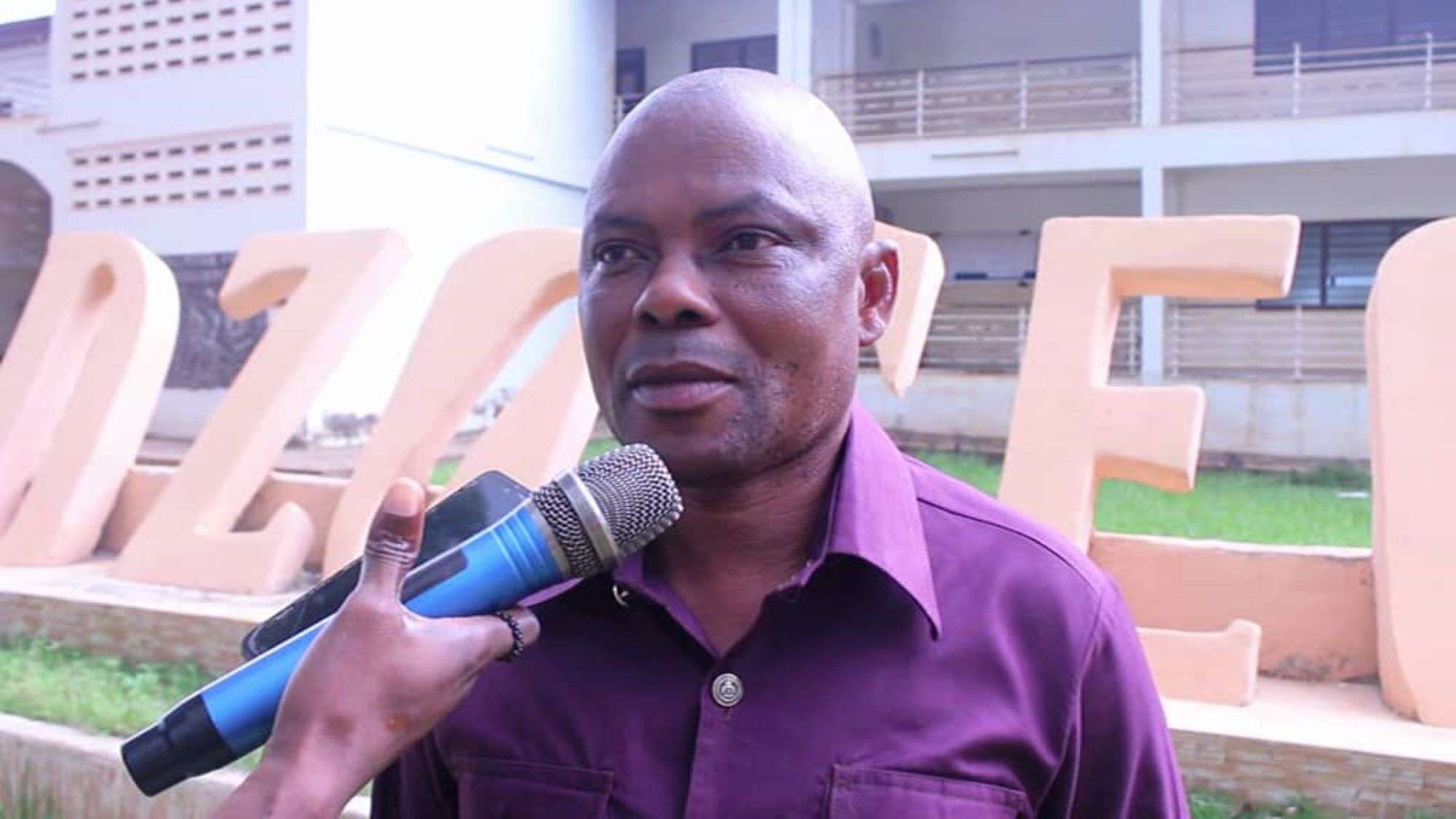
Tweneboa Kodua Fokuo, MP for Manso Nkwanta, said the committee would undertake a comprehensive review of the programme, including the gold supply chain, extraction, aggregation, purchasing arrangements, fees, offtake discounts and risk management practices.
Speaking on Eyewitness News on Wednesday, August 19, Mr Fokuo said the inquiry would help Parliament determine where weaknesses exist in the management of Ghana’s gold resources and recommend reforms to safeguard the country against further financial losses.
“We are going to take our time to go through the entire supply chain,” he said.
He noted that the investigation required expertise from multiple areas because the gold programme has implications for the environment, the economy and public finances.
Mr Fokuo said the Minority therefore favours an ad hoc committee comprising members from several existing parliamentary committees rather than leaving the matter to one committee.
He identified the committees responsible for lands, economic development, finance and public accounts as some of the bodies whose expertise could be brought together for the investigation.
The Manso Nkwanta legislator said Parliament must thoroughly scrutinise the circumstances surrounding the loss and ensure lessons are learned to prevent a repeat.
“We can’t let this continue. Imagine one year, $1.7 billion. If you let this continue, where would we end?” he asked.
Meanwhile, the Minority Leader in Parliament, Alexander Afenyo-Markin, has rejected the Ghana Gold Board’s response to concerns over losses under the Domestic Gold Purchase Programme (DGPP), insisting that the GoldBod’s own figures raise further questions about the programme’s financial performance.
In a statement issued on Wednesday, August 19, 2026, Afenyo-Markin said GoldBod’s response to the Minority’s earlier press conference “confirms more than it rebuts.”
The Minority Leader argued that the GoldBod Chief Executive had not disputed the International Monetary Fund’s reported finding of a US$1.7 billion, equivalent to about GH¢22 billion, loss under the Domestic Gold Purchase Programme in 2025.
According to Afenyo-Markin, the disagreement was only over who should bear responsibility for the loss.
“This is public money, whichever State balance sheet it sits on,” he stated.
Minority questions GoldBod’s GH¢907m surplus
Afenyo-Markin also questioned GoldBod’s reported operational surplus of GH¢907 million, arguing that the figure should be considered alongside the fees earned from the programme.
He said the GoldBod Chief Executive had disclosed that the institution accounted for about GH¢133 billion in advances in 2025 and received an assay fee of 0.258% and a service fee of 0.5%.
Based on those figures, the Minority Leader estimated that GoldBod earned about GH¢1 billion in fees from the programme.
Afenyo-Markin therefore argued that the reported operational surplus was smaller than the fee income generated from a programme that, according to the IMF report cited by the Minority, incurred a GH¢22 billion loss.
“The plain implication of his own numbers is that the operational surplus he is celebrating is smaller than the fee income he collected from a programme that lost the state 22 billion Ghana Cedis,” he said.
He maintained that removing the agency fees would leave GoldBod with no operational surplus to celebrate.
‘GoldBod cannot claim benefits and disown losses’
The Minority Leader further accused GoldBod of taking credit for positive economic developments linked to the scaling-up of the DGPP while distancing itself from the programme’s losses.
He cited the 41% appreciation of the cedi, an increase in reserves from US$8.9 billion to US$13 billion and a decline in inflation as outcomes GoldBod had publicly associated with the programme.
“An institution that claims authorship of the benefits cannot describe itself as a passive agent when the costs are counted,” Afenyo-Markin said.
He also raised concerns about what he described as shifting funding arrangements for the Ghana Accelerated National Response Plan (GANRAP).
According to him, responsibility for GANRAP implementation costs moved from the Bank of Ghana to the Ministry of Finance in July 2026, while GoldBod began seeking independent funding from August.
“Three funding arrangements in six months is not a settled model. We view this with curious eyes,” he said.
Minority demands accountability
Afenyo-Markin maintained that the GH¢22 billion loss reported by the IMF’s Sixth Country Report constitutes a financial loss to the Republic and must therefore be accounted for.
He also criticised the tone of the GoldBod Chief Executive’s response, particularly a reference to a brothel.
The Minority Leader said such language was inappropriate for a public official responding to concerns over the management of public funds.
“Ghanaians asked for figures. They were given insults. The figures are still outstanding,” he stated.