

Six Ghanaians, including four Members of Parliament, a New Patriotic Party (NPP) national executive and a media personality, have invoked the original jurisdiction of the Supreme Court to challenge the constitutionality of the Tribunals Act, 2026 (Act 1181).
The plaintiffs are seeking declarations that several provisions of the law establishing and regulating the tribunal system violate various provisions of the 1992 Constitution and should therefore be declared unconstitutional.
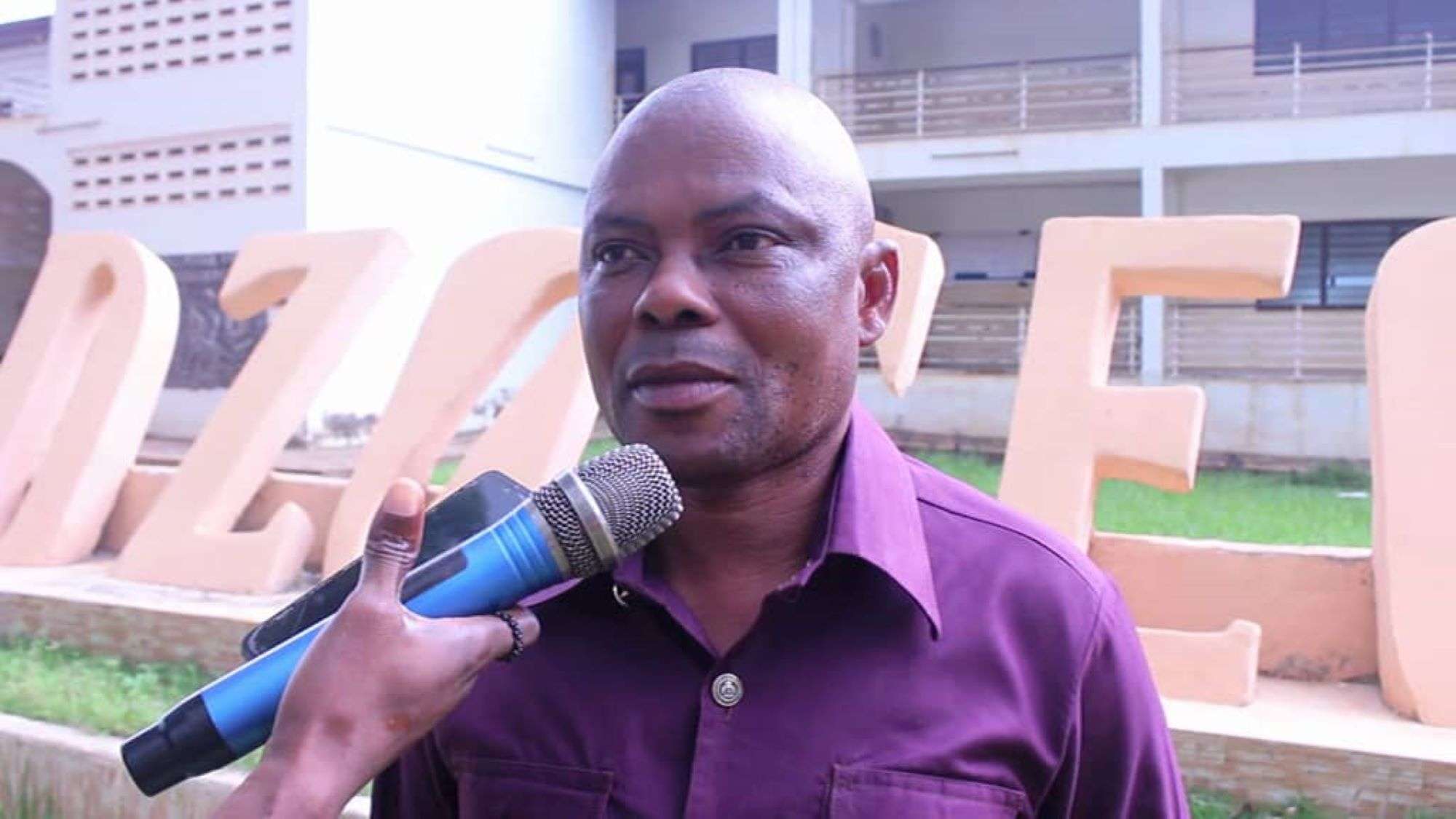
The action, filed against the Attorney General and Minister for Justice, is being pursued by Deputy Minority Chief Whip and Member of Parliament for Tolon, Habib Iddrisu; MP for Asante Akim Central, Kwame Anyimadu-Antwi; NPP Second Vice Chairman, Henry Nana Boakye; MP for Bosome Freho, Nana Asafo-Adjei Ayeh; MP for Odotobri, Anthony Mmieh; and Metro TV journalist Paul Adom-Otchere.
The writ, dated August 27, 2026, was filed at the Supreme Court in Accra under Articles 2(1)(b) and 130(1)(a) of the Constitution and Rule 45 of the Supreme Court Rules, 1996 (C.I. 16).
The plaintiffs, who are bringing the action as citizens of Ghana, are asking the apex court to determine whether Parliament has the constitutional authority to establish a tribunal system under the new legislation.
In their first relief, they are seeking a declaration that Article 126(1) of the Constitution does not empower Parliament to establish a tribunal system, arguing that Sections 2(1)(a) and 4(1) of Act 1181 are consequently unconstitutional.
They are also challenging several provisions of the Act which they contend regulate the practice and procedure of the tribunal system in violation of Articles 157(2) and 127(1) of the Constitution.
The specific provisions include Sections 27(1)(b), 27(3), 29, 30, 31(1), and Sections 32 to 41, as well as Section 51 of the Act.
The plaintiffs further want the Supreme Court to declare Sections 5 and 49(2) unconstitutional, arguing that the provisions improperly vest administrative authority over the tribunal system in the Judicial Council, acting in consultation with the Tribunal Oversight Committee.
According to the reliefs outlined in the writ, the plaintiffs also contend that Sections 5 and 44 of Act 1181 interfere with the exercise of judicial power, contrary to Article 127(2) of the Constitution.
Another major issue raised in the suit concerns the establishment of the Tribunal Oversight Committee under Section 42 of the Act.
The plaintiffs are seeking a declaration that the provision is unconstitutional to the extent that it establishes the committee as a committee of the Judicial Council, citing Article 154(2) of the Constitution.
They are also challenging Section 50(2), arguing that it interferes with and places limitations on the administrative powers constitutionally vested in the Chief Justice under Article 125(4).
Additionally, the six plaintiffs contend that Sections 4(2) and 42 of the Act undermine judicial independence and are inconsistent with Article 127(1) of the Constitution.
They want the Supreme Court to affirm the constitutional limits on Parliament’s authority in establishing and administering tribunals, as well as the independence of the Judiciary in exercising its judicial and administrative functions.
The writ lists the Attorney General and Minister for Justice as the sole defendant and directs that a statement of the defendant’s case be filed within 14 days after service of the plaintiffs’ statement of case.
The plaintiffs are represented by Nana Agyei Baffour Awuah of Sarkodie Baffour Awuah & Partners, based at North Dzorwulu, Accra.
The Supreme Court is also being asked to grant any further reliefs or orders it considers appropriate in determining the constitutional questions raised in the action.