
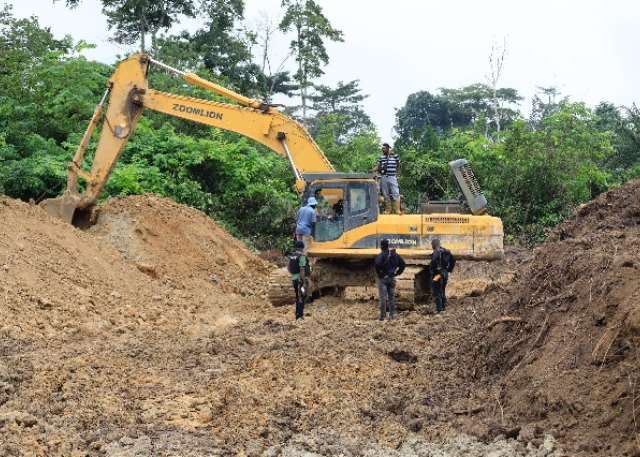
The National Anti-Illegal Mining Operations Secretariat (NAIMOS) has intensified its crackdown on illegal mining, conducting 738 operational activities and destroying 1,970 chanfang machines and 863 makeshift structures between June 13 and September 30, 2026.
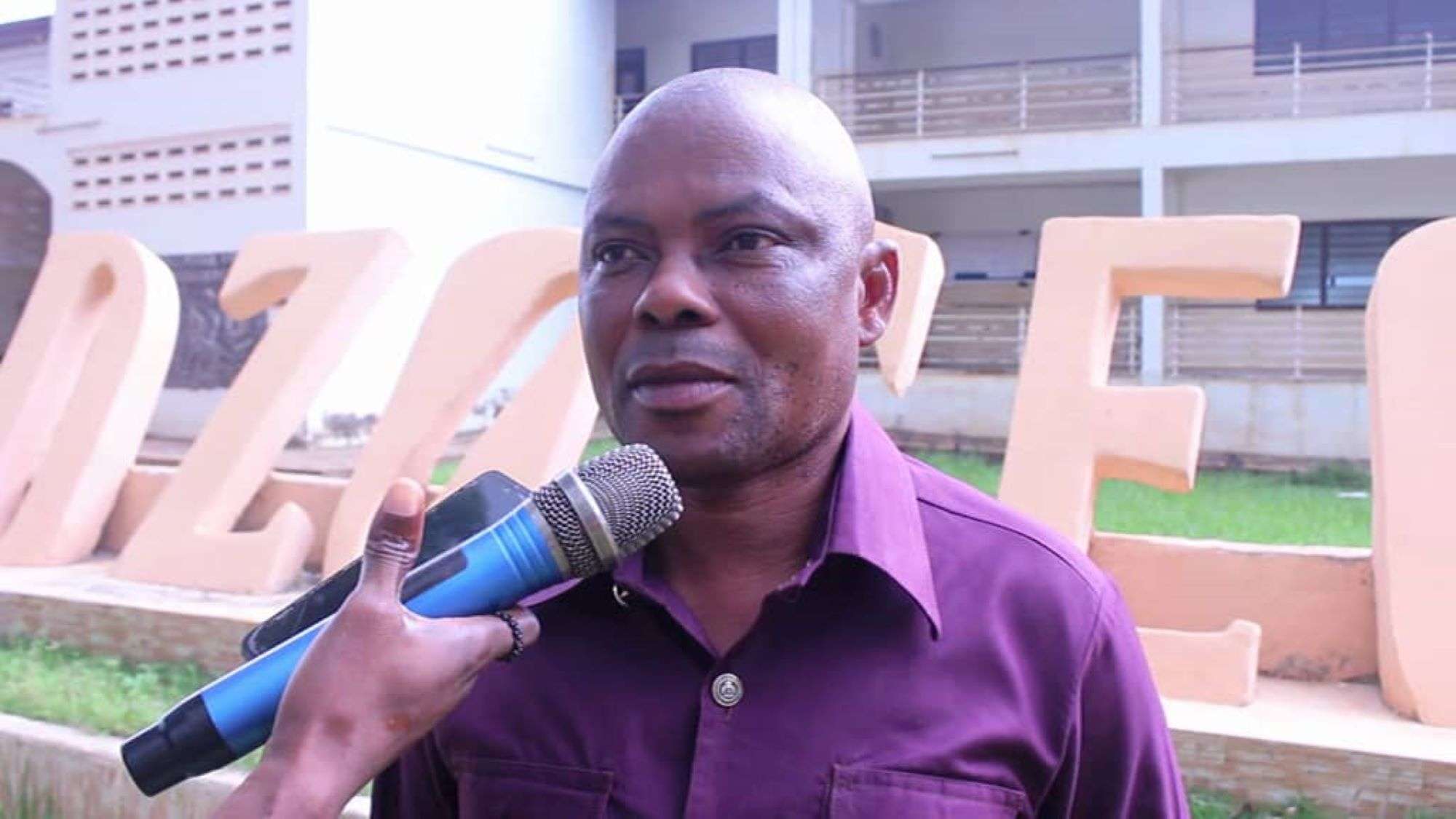
Addressing a media briefing in Accra yesterday, the Director of Operations of NAIMOS, Col. Kwame Sam Appiah, disclosed that the operations, which covered a cumulative distance of 50,662 kilometres, were aimed at protecting critical water bodies and strategic forest reserves.
He explained that the operational design focused on securing Ghana’s strategic watersheds and river systems from source to estuary, adding that the approach was necessary to address the interconnected systems that sustain destructive activity.
National Operational Reach
Col. Appiah noted that the Secretariat’s operational presence was organised around Forward Operating Bases (FOBs) and Temporary Operating Bases (TOBs) to maintain pressure on established hotspots and respond to emerging threats.
In the Western Region, he said operations were conducted from FOBs at Esiama, Asankragua, and Agona, supported by TOBs at Prestea and Kikam, disrupting illegal mining along the Ankobra and Butre systems.
He added that the Enchi FOB supported operations in the Western North Region, particularly across the Tano and Bia River systems, while the Kyebi FOB in the Eastern Region supported operations along the Birim River and the wider Atewa landscape.
“In Ashanti, the Tepa and Manso Adubia FOBs sustained enforcement and protected reclamation sites against renewed encroachment,” he stated.
The Director of Operations further indicated that joint operations extended the Secretariat’s reach across the Central, Bono, Ahafo, Savannah, and Northern operational areas.
He revealed that task forces recovered 74 firearms and 551 rounds of ammunition, in addition to seizing excavators, pumps, and vehicles used to support illegal mining.
Operation Watershield and Greenshield
Touching on the next phase of operations, Col. Appiah announced that “Operation Watershield” would place greater emphasis on securing gains after clearance to prevent illegal operators from returning.
He disclosed plans to deploy a dedicated riverine unit on the Ankobra in close coordination with the Ghana Navy, following the Special Boat Squadron operations, to sustain patrols and deter the return of chanfang operators.
“Along the Offin, our planned operations will combine ground and riverine action to disrupt illegal mining, dominate priority river sections, and prevent reoccupation,” he added.
He also announced “Operation Greenshield,” a planned forest protection intervention in the Atewa Forest Reserve, which would follow three stages: clear and disrupt; hold and stabilise; and transition and handover.
The intended outcome, he said, was a reserve in which priority hotspots had been cleared and stabilised, with routine protection progressively transferred to Forestry Commission guards.
Sustaining Effectiveness
Col. Appiah emphasised that the scale and terrain of the task required sustained mobility, serviceable boats, and reliable communications, noting that the government, through the Ministry of Lands and Natural Resources, had committed to providing the needed logistics support and funding.
He called for continued focus on the financiers, equipment suppliers, and facilitators who sustain illegal mining, stressing that intelligence, field enforcement, and investigations must support one another to translate evidence into effective legal action.
“Professionalism and public trust are essential to operational success. I remain committed to accountability, integrity, and disciplined conduct,” he assured.
The Director of Operations urged the media, civil society organisations, and stakeholders to support informed public scrutiny and accurate reporting to help citizens understand the threat and sustain attention to protecting Ghana’s natural resources.
“We must judge progress by whether cleared areas remain secure, illegal activity declines, cases advance through the justice system, and environmental recovery becomes measurable,” he concluded.
By Kingsley Asiedu