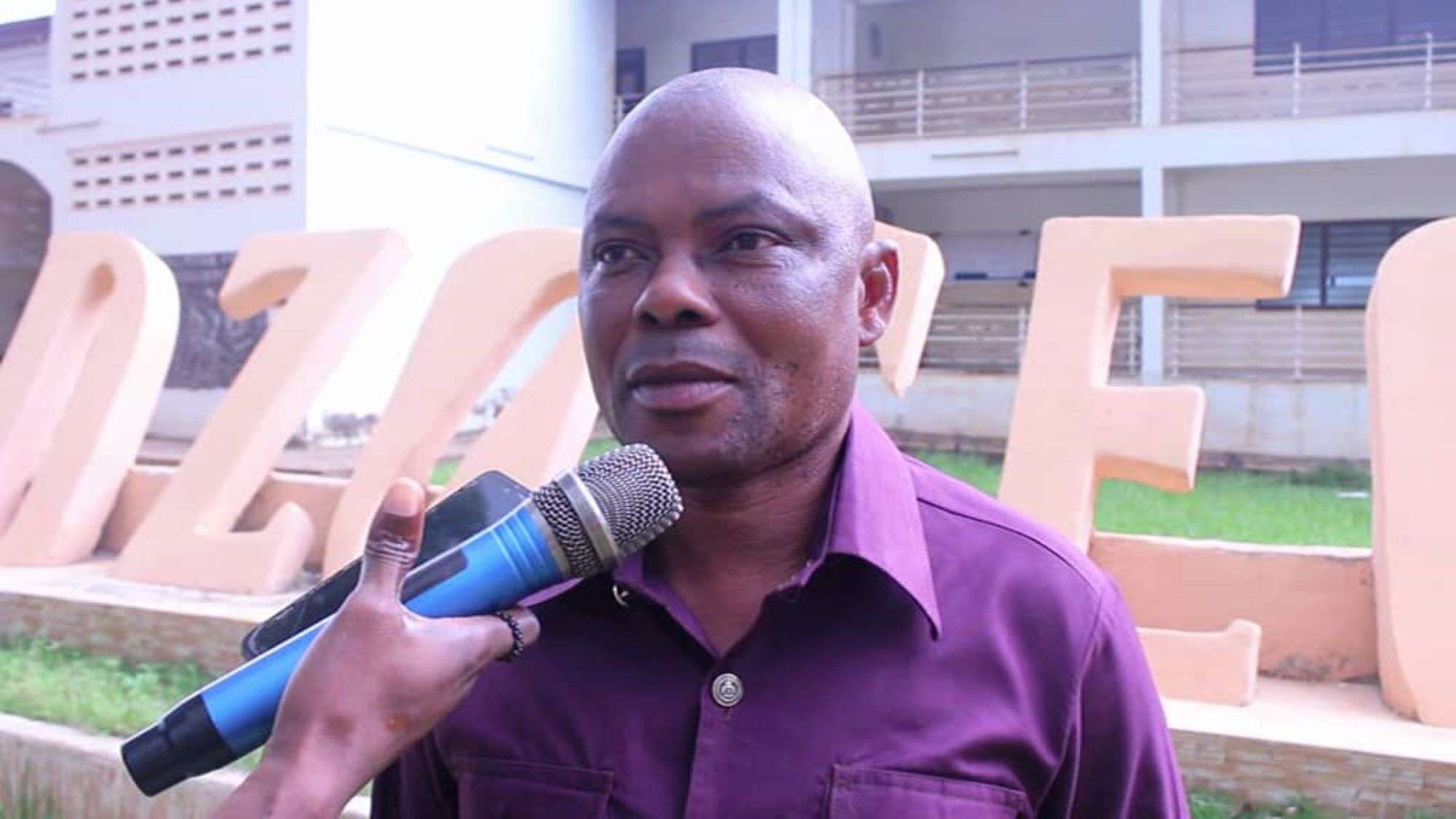

A registered member of the National Democratic Congress (NDC), Aminu Suleiman, has dragged the party to the High Court in Accra, challenging key provisions in the NDC’s 2026 Election Guidelines.
In a Writ of Summons and Statement of Claim filed on or around 1st July 2026 (Suit No. GJ/8787/2026), Suleiman, who is suing in his capacity as a registered member in good standing, argues that the “General Provisions” of the guidelines are unconstitutional, ultra vires, and in breach of the NDC’s 1992 Constitution.
The bone of contention
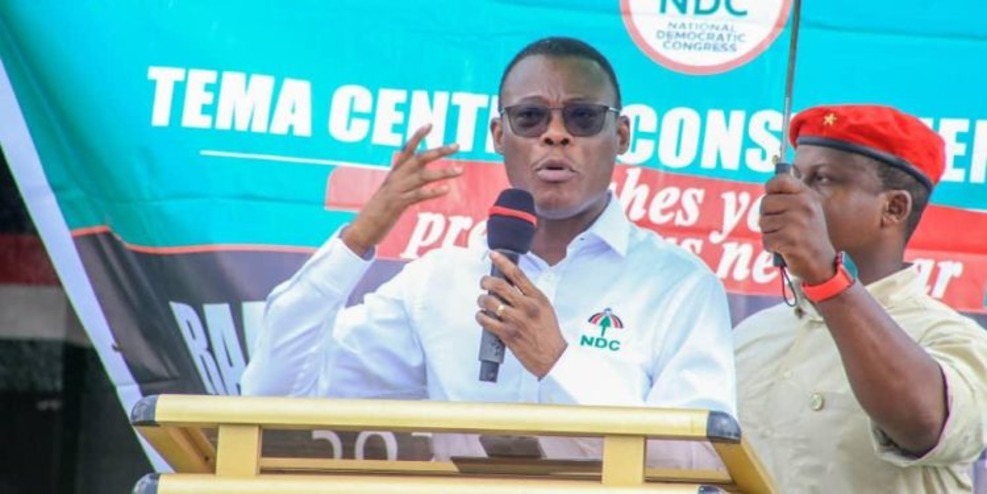
The controversy centres on a requirement introduced in the guidelines announced by the NDC’s General Secretary, Hon. Fifi Fiavi Kwetey, at a press briefing on 29th January 2026. The provision mandates that certain categories of government appointees — including Ministers, Deputy Ministers, Chief Executive Officers, Managing Directors, Metropolitan, Municipal and District Chief Executives — must resign from their positions at least six (6) clear months before filing nomination forms to contest any party executive position.
Suleiman contends that this requirement:
- Constitutes an unlawful amendment of the party’s Constitution.
- Violates Article 40, which he says governs qualifications for party office.
- Was introduced by the National Executive Committee (NEC) without following the proper amendment procedure laid down in Article 50.
- Amounts to an overreach, as the NEC has no power under Article 54 to introduce new qualifications where the Constitution is silent.
The plaintiff argues that the NDC Constitution is the supreme governing document of the party and forms a binding contract between the party and its members.
He maintains that the framers deliberately limited eligibility criteria, and any additional requirements amount to an impermissible variation.
Plaintiff’s actions before suit
According to court documents, Suleiman and two other members petitioned the NDC’s National Executive Committee on 5th May 2026. He followed up with a formal letter through his lawyers on 26th May 2026. He claims the party has failed to respond to either communication.
Reliefs sought
Suleiman is asking the High Court for several declarations and orders, including:
- A declaration that the NDC Constitution is supreme and binding on the party.
- A declaration that the “General Provisions” are null and void, ultra vires, and of no legal effect.
- An order setting aside and nullifying the contested provisions.
- A perpetual injunction restraining the NDC, its NEC, officers, and agents from enforcing or relying on the provisions during the 2026 internal elections.
- An order declaring any resignations made solely to comply with the guidelines as void.
He also seeks any further relief the court deems just.
The suit was issued by Jesse Akelimbora Adongo, Esq. of Lex Vanem & Associates.
Significance
The case is seen as a significant internal test for the NDC as it prepares for its 2026 internal elections ahead of the 2028 general elections.
It raises broader questions about the supremacy of party constitutions, the limits of the National Executive Committee’s powers, and the rights of ordinary members to participate in party processes.
As of now, the NDC has not publicly responded to the lawsuit.
The party is expected to file its appearance and defence within the stipulated eight days from service of the writ.
This development comes at a time when several political parties in Ghana are reviewing internal rules and positioning themselves for future contests.