
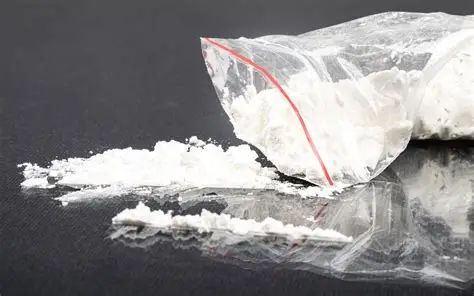
A report filed in the Netherlands indicates that Dutch customs seized nearly 4,500 kilogrammes of cocaine concealed in a shipment of wood from Ghana at the Port of Amsterdam.
The report by NL Times, which was published on November 14, 2025 and the news apparently unannounced in Ghana, said customs found the drugs on June 13, 2025.
A 69-year-old Amsterdam man whose name was withheld, was arrested on suspicion of involvement in bringing the cocaine into Netherlands.
The Public Prosecution Service (OM) in that country said this was the largest cocaine seizure ever recorded in the Amsterdam port.
The container had been selected for examination following a risk assessment and was scanned with officers using sniffer dogs.
The shipment of wood was intended for a German company, which the OM calls a front used for international drug trafficking.
Investigators tracked the shipment through phone analysis tied to a 72-year-old front man from Chaam, Noord-Brabant.
He was allegedly used as a figurehead, receiving payment to register the business in his name.
The Police also traced the 69-year-old suspect through the phone investigation linked to the figurehead.
During his arrest on October 5, authorities confiscated four phones to investigate his role and the movement of funds. The man from Chaam and two other suspects have since been released.
The 69-year-old’s pre-trial detention was extended to 90 days on October 20.
The OM anticipated additional arrests in the near future.
The biggest drug haul in Dutch history occurred in the Port of Rotterdam in 2023, with over 8,000 kilograms of cocaine seized.
The prosecution service described it as the largest cocaine seizure ever made at Amsterdam’s port, with a wholesale value of over €112 million and a street value of around €450 million, nearly $500 million.
According to the Dutch investigation, the Ghanaian timber shipment was addressed to a German company that investigators suspect was a front for international drug transports.
The case forms part of a wider pattern in narcotic drugs seizures linked to Ghana.
It is now disclosed that the Dutch customs in June 2025 seized the 4.5 tonnes in Amsterdam worth $500 million, Australian authorities in June 2026 seized 320kg of Methamphetamine (meth) worth $208 million concealed in charcoal from Ghana, and French customs at Dunkirk in September 2026 found nearly 3.9 tonnes of cocaine with street value of $261 million hidden in plastic waste from Ghana.
A research by JoyNews indicated that 28 narcotics-related cases are linked to Ghana since January 2025, with cocaine cases alone totalling about 15.8 tonnes.
Minority demands drugs inquiry
The New Patriotic Party (NPP) Minority Caucus in Parliament had called for the establishment of an Ad Hoc Parliamentary Committee to investigate a series of major international narcotics seizures allegedly linked to consignments originating from Ghana.
The Caucus filed a motion, arguing that inquiry would help determine whether there were weaknesses in the country’s cargo inspection, export control and narcotics enforcement systems, and recommend measures to strengthen them.
Bagbin rejects inquiry
Speaker of Parliament Alban Bagbin blocked the motion for a bipartisan parliamentary inquiry into the narcotics seizures, ruling it was inadmissible because of its overlap with matters before the courts.
Mr Bagbin delivered the ruling on Tuesday, September 29, 2026, during an emergency sitting of Parliament convened after the Minority petitioned for the House to examine the seizures and possible weaknesses in Ghana’s systems for inspecting and clearing cargo.
The motion, filed by the First Deputy Minority Whip and Member of Parliament for Tolon, Habib Iddrisu, sought the establishment of the Ad Hoc Committee to conduct what its sponsors described as a transparent and bipartisan investigation into the drug seizures.
However, Mr Bagbin said he had considered the terms of reference of the proposed committee alongside the ongoing investigations, pending judicial proceedings, Parliament’s constitutional oversight responsibilities and the Standing Orders of the House and that informed his decision to throw out the motion.
Inquiry overlaps court cases
Speaker Bagbin said there was substantial factual overlap between the proposed parliamentary investigation and issues currently before the courts.
According to him, allowing the inquiry to proceed could require Parliament to examine transactions, assess the conduct of individuals and institutions and determine why particular actions were taken or opposed at Ghana’s ports of entry.
Such an exercise, he said, could ultimately require Parliament to determine matters that properly fell within the jurisdiction of the courts.
“The combined effect of undertaking this evaluation, assessment, and investigation would be, at the end of the day, to determine the very issues that the Court of Competent Jurisdiction is supposed to determine,” Mr Bagbin concluded.
Main issues
In addressing journalists in Parliament earlier, Rev. John Ntim Fordjour, Ranking Member on Parliament’s Defence and Interior Committee, said the recent international drug interdictions involving cargo traced to Ghana warranted thorough scrutiny.
He cited three major cases to support the call for a parliamentary investigation.
According to him, in March 2025, more than 3.3 tonnes of cocaine, estimated to be worth over US$350 million, were intercepted at Pedu Junction near Cape Coast, allegedly concealed under sand in a tipper truck.
He also referred to the seizure by Australian authorities in June 2026 of approximately 320 kilogrammes of methamphetamine concealed in containers declared as charcoal and traced to Ghana, with an estimated street value of A$296 million ($208 million).
Rev. Fordjour further noted that in September 2026, French customs authorities at Dunkirk intercepted nearly 3.9 tonnes of cocaine hidden among recycled plastic in a container reportedly shipped from Ghana, with an estimated value of about €225 million.
He said the incidents underscored the need for a comprehensive review of cargo-scanning procedures, risk-profiling systems, inspection regimes and enforcement mechanisms at the country’s ports and borders.
“The circumstances surrounding these seizures require careful examination to ascertain whether existing systems are adequate to detect and prevent the trafficking of illicit substances,” he stated.
By Kyei Boateng