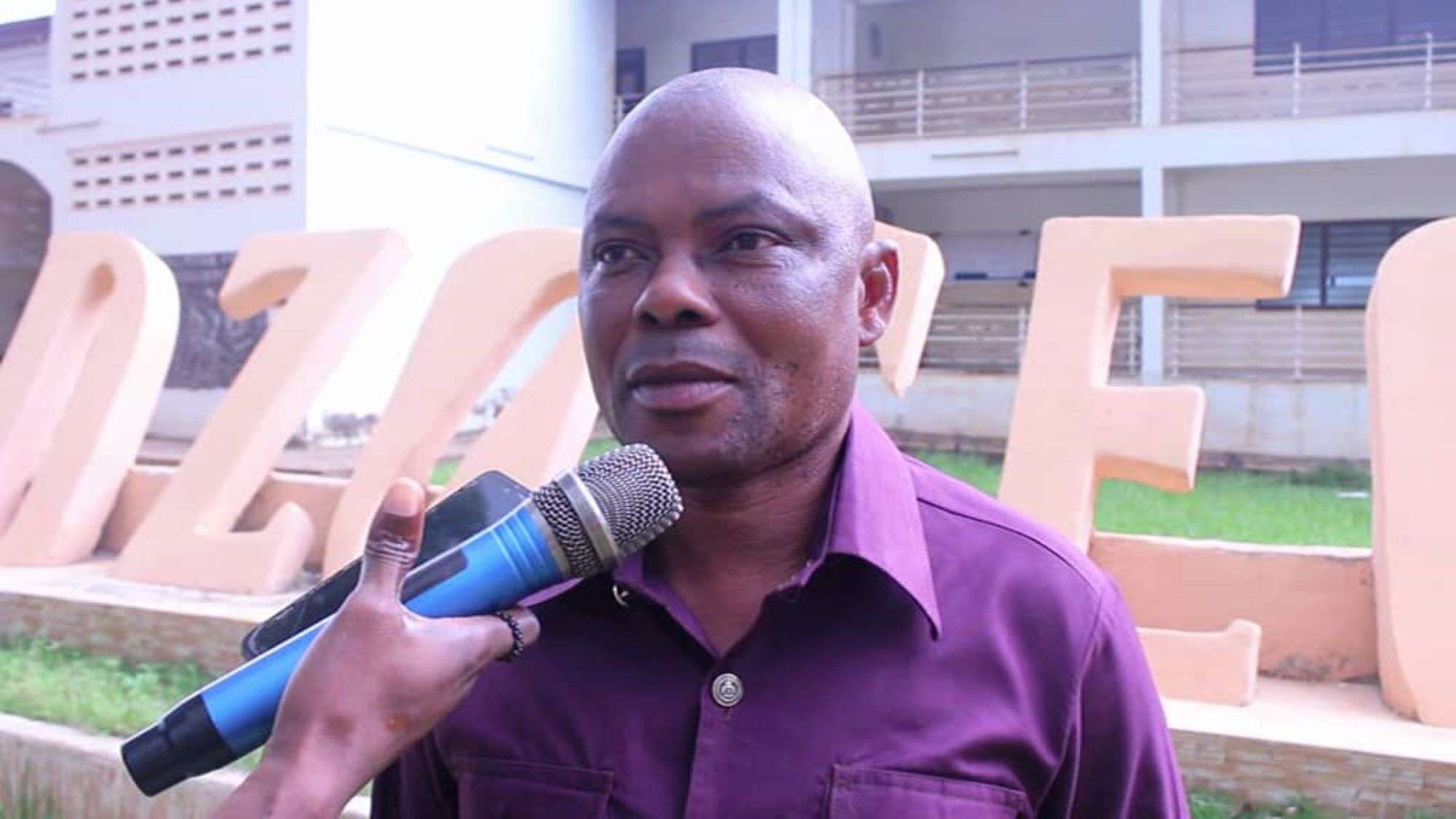


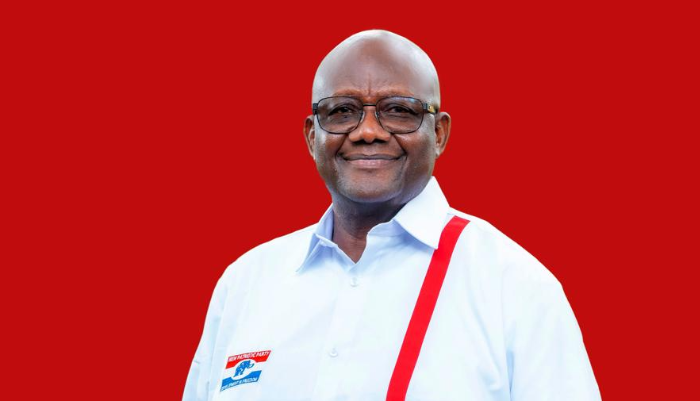
Former General Secretary of the New Patriotic Party (NPP), John Boadu, has secured the number one position on the ballot paper for the party’s National Chairmanship election scheduled for October 3, 2026.
John Boadu emerged first in the balloting exercise conducted to determine the order in which candidates will appear on the ballot paper for the NPP’s national executive elections.
The former NPP General Secretary was followed by Sammy Crabbe, who secured the second position, while former National Chairman Paul Afoko took the third slot.
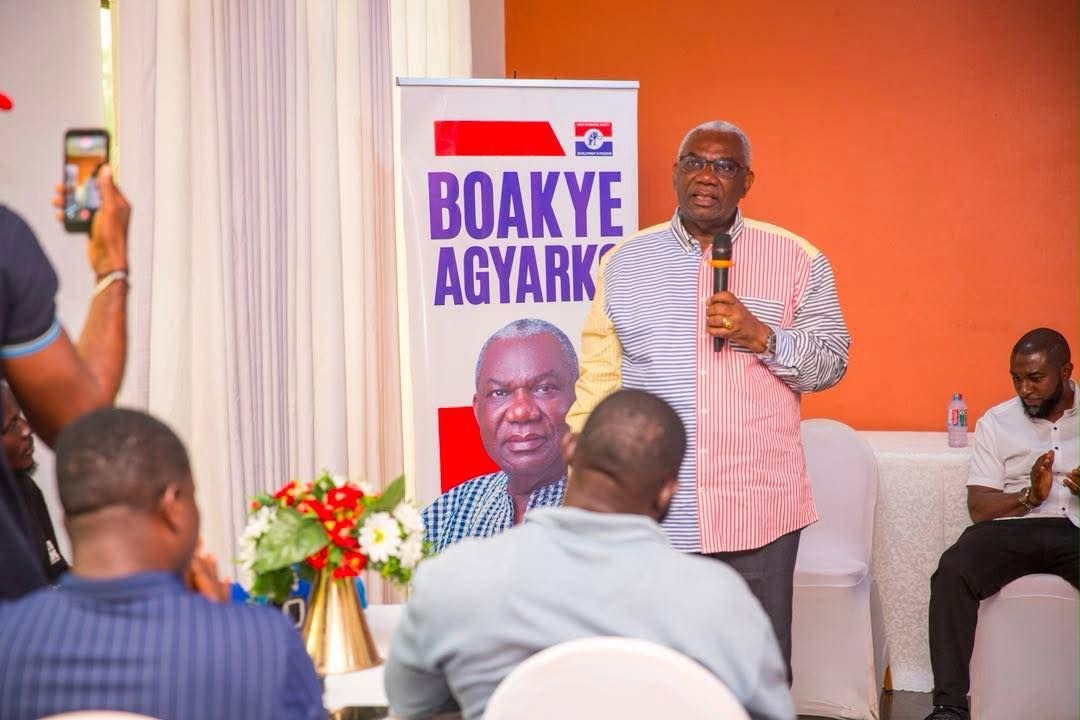
Former Energy Minister Boakye Agyarko will occupy the fourth position on the ballot paper.
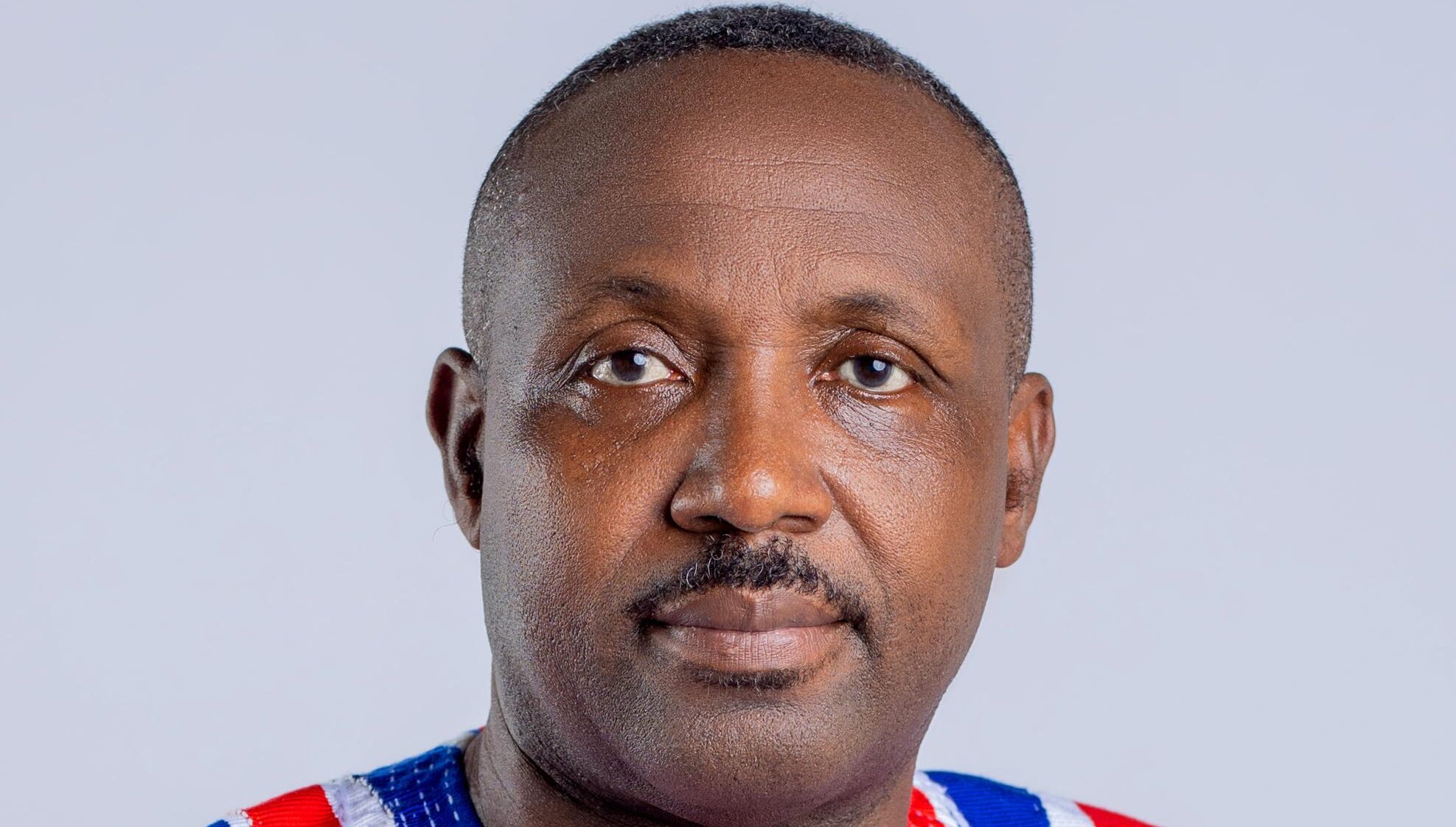
The balloting exercise forms part of preparations for the NPP’s national executive elections, which are expected to produce a new crop of leaders to oversee the party’s affairs and guide its activities in the coming years.
With the positions now determined, the candidates are expected to intensify their campaigns and engagements with delegates ahead of the October 3 polls.
The National Chairmanship contest has generated significant interest within the NPP, with the candidates seeking to persuade delegates that they possess the leadership qualities and experience needed to unite the party, strengthen its organisational structures and improve its electoral prospects.
The chairmanship position is considered crucial to the party’s administration, particularly as the NPP seeks to consolidate its structures and reposition itself ahead of future elections.
Among the major issues expected to shape the campaign are party unity, grassroots mobilisation, internal cohesion, organisational reforms and strategies to strengthen the NPP’s performance at the polls.
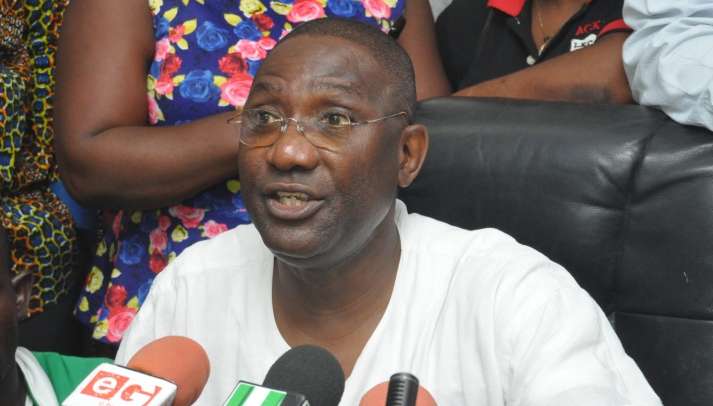
The candidates are also expected to outline their respective visions for rebuilding confidence among party members, improving coordination between the national leadership and grassroots structures, and ensuring greater participation by members in the party’s activities.
The October 3 elections will determine who assumes the National Chairmanship position, alongside other key national executive positions. The successful candidates will be tasked with providing strategic direction and strengthening the party’s organisational capacity.
The incoming national executives will also be expected to work towards deepening the NPP’s presence at the grassroots, improving communication and coordination across its structures, mobilising supporters and preparing the party for future electoral contests.
For the chairmanship contenders, the election therefore represents an opportunity to present their leadership credentials and convince delegates that they can provide the direction and unity required to move the party forward.
As the October 3 polls draw closer, attention is expected to shift from the balloting process to the candidates’ campaigns, policy proposals and engagements with delegates across the country.
Ultimately, NPP delegates will have the final say as they choose the national executives they believe are best positioned to lead the party, strengthen its structures and oversee its affairs during its next phase.