
The New Patriotic Party (NPP) has intensified its criticism of the government over losses of more than US$1.7 billion through gold trading under Ghana’s Domestic Gold Purchase Programme (DGPP), demanding a full and transparent account of how the losses occurred.
The NPP said the report of the International Monetary Fund (IMF) of the $1.7 billion, equivalent of GH¢22 billion financial loss to the state had brought the scale of the losses into focus, arguing that the government must provide detailed information on the transactions and decisions that contributed to the losses.
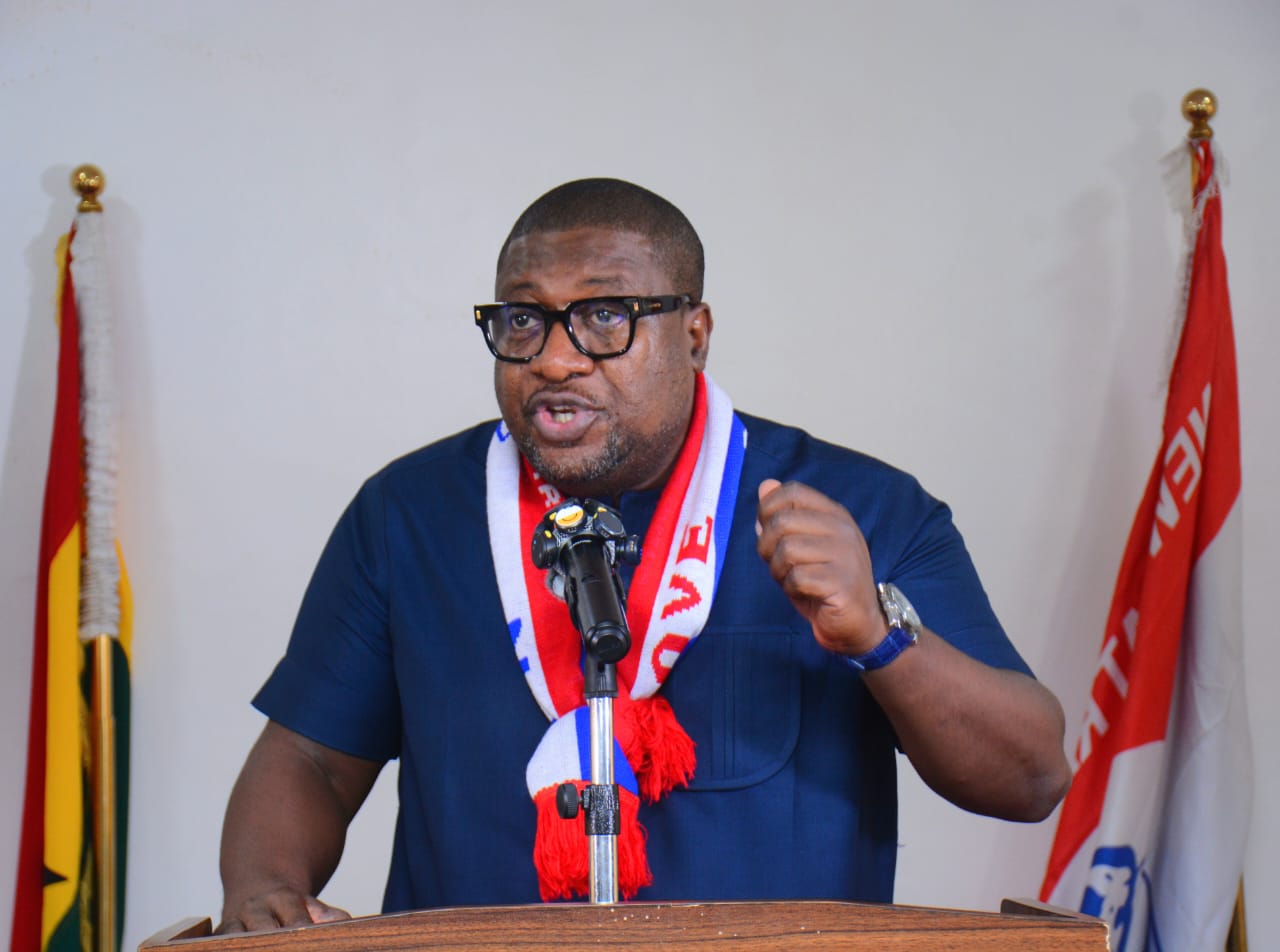
Addressing a news conference on August 25, 2026, NPP National Organiser Henry Nana Boakye also known as Nana B said the loss represented a major financial burden on the Ghanaian taxpayer and could not be dismissed through political arguments or personal attacks.
The party said the central issue was not simply whether GoldBod or the Bank of Ghana should carry responsibility for the losses, but how the two institutions operated the gold purchasing programme and what safeguards were in place.
According to the NPP, GoldBod acted as a buying agent for the Bank of Ghana under the DGPP and that the government to provide a detailed breakdown of the reported US$1.7 billion loss.
The party specifically wants answers to three questions: how much of the loss resulted from foreign exchange movements, how much was linked to the prices at which gold was purchased and subsequently sold, and what management decisions and analysis informed the transactions.
The NPP argued that Ghanaians deserved answers before taxpayers were potentially required to provide additional funds to strengthen the finances of the central bank.
‘Ghanaians deserve the truth’
The NPP maintained that the reported US$1.7 billion loss should not be treated as an ordinary accounting issue because any deterioration in the financial position of the Bank of Ghana could ultimately have implications for taxpayers.
The party therefore called for a comprehensive disclosure of the transactions underlying the losses and the decisions taken by the institutions involved.
It also questioned how Ghana could simultaneously pursue increased gold production while struggling to prevent illegal mining and protect its natural resources.
According to the party, the country risks benefiting financially from its gold resources while paying an increasingly heavy environmental and economic price.
Party attacks government’s response
The NPP also criticised government communications surrounding the controversy, particularly responses from government officials to questions raised by the Minority in Parliament.
It accused accused government spokespersons of resorting to personal attacks instead of addressing the substance of the concerns raised by the Minority Caucus.
The main opposition party argued that public platforms at the Presidency should be used to provide information and accountability rather than political insults.
It further questioned the credibility of some government communicators, citing previous controversies involving GoldBod CEO Sammy Gyamfi, including claims he made during the 2020 election campaign and allegations concerning Vice President Dr Mahamudu Bawumia’s purported ownership of Hubtel.
The NPP said such controversies reinforced its demand that the GoldBod losses be addressed through official documents, parliamentary scrutiny and verifiable evidence rather than political rhetoric.
NPP links gold losses to galamsey concerns
Beyond the financial losses, the NPP linked the GoldBod controversy to the broader problem of illegal mining, commonly known as galamsey.
The party contended that Ghana’s gold production could not be celebrated without addressing the environmental consequences associated with illegal mining and the traceability of gold purchased through the country’s gold trading system.
According to the NPP, there are unresolved questions about whether gold purchased through licenced buyers can always be traced to legitimate sources.
The party said this was particularly worrying because illegal mining continues to threaten rivers, forest reserves and agricultural land.
It argued that the environmental damage could impose significant future costs on the country, particularly through the treatment of polluted water and the restoration of degraded land.
NPP backs Minority’s scrutiny
The NPP declared its full support for the Minority Caucus in Parliament, led by Minority Leader Osahen Alexander Afenyo-Markin, in its efforts to obtain answers from the government.
The party said the Minority would use parliamentary mechanisms, including questions on the floor, committee hearings, requests for documents and other procedures available under Parliament’s Standing Orders.
It stressed that the demand for accountability was not merely a partisan matter but a national responsibility involving public funds.
The NPP said it would continue to pursue the issue until the government provides what it considers a comprehensive explanation of how the reported US$1.7 billion loss occurred.
Ghanaians should show interest
The party urged Ghanaians to remain interested in the matter and demand transparency from the institutions responsible for managing the country’s gold and public finances.
The NPP’s position places the GoldBod and Bank of Ghana losses at the centre of its latest parliamentary and political campaign, with the party insisting that the scale of the reported loss requires answers beyond political exchanges and public statements.