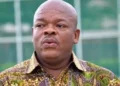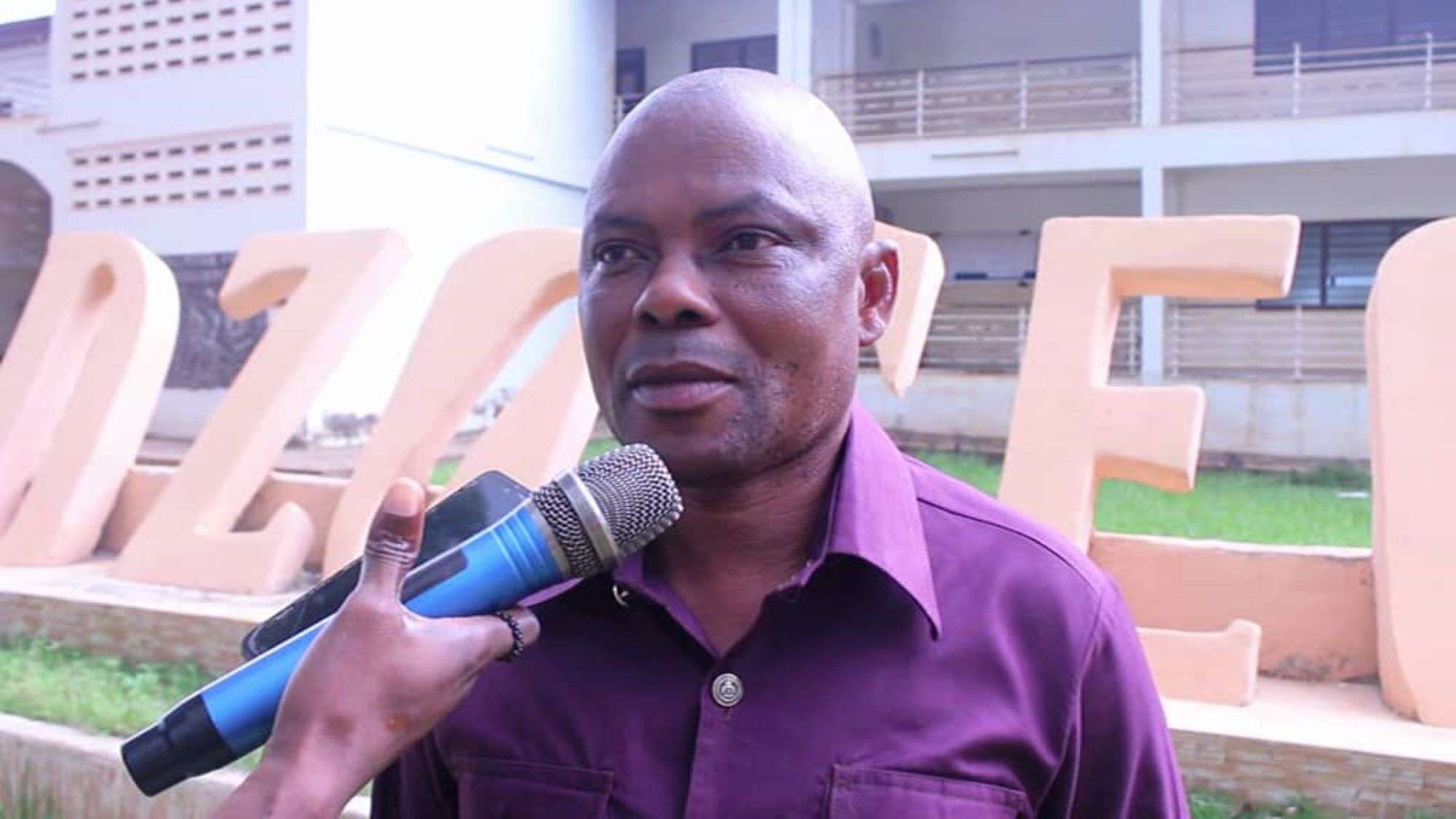


Former Majority Leader Osei Kyei-Mensah-Bonsu has laid out a series of both external and internal factors that he believes led to the New Patriotic Party’s loss in the 2024 general elections.
In an interview on Channel One TV, he pointed to major economic challenges, perceptions of governance failures, and global shocks as key contributors.
Key factors he identified that caused the NPP in 2024 are:
-
COVID-19 pandemic
Kyei-Mensah-Bonsu says that while measures taken during the pandemic were necessary to save lives and protect livelihoods, the economic fallout was severe. The handling of the pandemic led to strains on finances and required interventions that had long-term cost implications. -
Russia-Ukraine war
The conflict abroad contributed to rising global prices, particularly of fuel, food, and fertilisers. These cost escalations had ripple effects on local markets in Ghana, increasing the cost of living, which Kyei-Mensah-Bonsu argues deeply affected public sentiment. -
Domestic Debt Exchange Programme (DDEP)
The DDEP is identified as a policy that worsened public discontent. According to Kyei-Mensah-Bonsu, over 800,000 people were directly affected, with knock-on effects on their households. The program is portrayed as one that, though perhaps necessary in macroeconomic correction, had political costs. -
Cost of living and economic hardship
High inflation, rising prices of essential goods, and transport costs emerging from external shocks were cited as creating a sense of “hunger and anger” among the electorate. These hardships, he argues, eroded the NPP’s support base.
He said “I can relate to the findings that led to our loss. The Ashanti regional chapter of the enquiry cited four main issues -one being external factors, some strong winds that blew from outside and hit us unprepared. Yes, it affected the economy. But basically attributable to COVID-19 and the Russia-Ukraine war, these are force majeures we couldn’t control; they hit us, they had repercussions on us on the economy in particular, especially the meltdown that we experienced.
He emphasised that “The former President [Nana Addo Dankwa Akufo-Addo] did so well to protect livelihoods and lives. But it had a toll on the country’s finances, and going forward, it ignited some heat in the system. And then we had to go to the IMF for a bailout.”
He said the DDEP worsened public discontent as it directly affected over 800,000 people and their families.
“Some of the things that we had not intended to do, the domestic debt exchange programme, which affected over 800,000 people. They had families, and so, they were pressed. Then we had other matters, including, in particular, the Russia-Ukraine war, which escalated the cost of many items. Even fertilisers were affected.
“Then we had issues with governance. Post-COVID-19, our backs were to the wall. We had to put the brakes on development projects that affected the lubrication of the system,” he added.