

The President of the Private Newspapers and Online News Publishers Association of Ghana (PRINPAG) has called for stronger support, effective regulation and adequate resourcing of the private media to enable journalists to contribute meaningfully to national security and democratic governance.
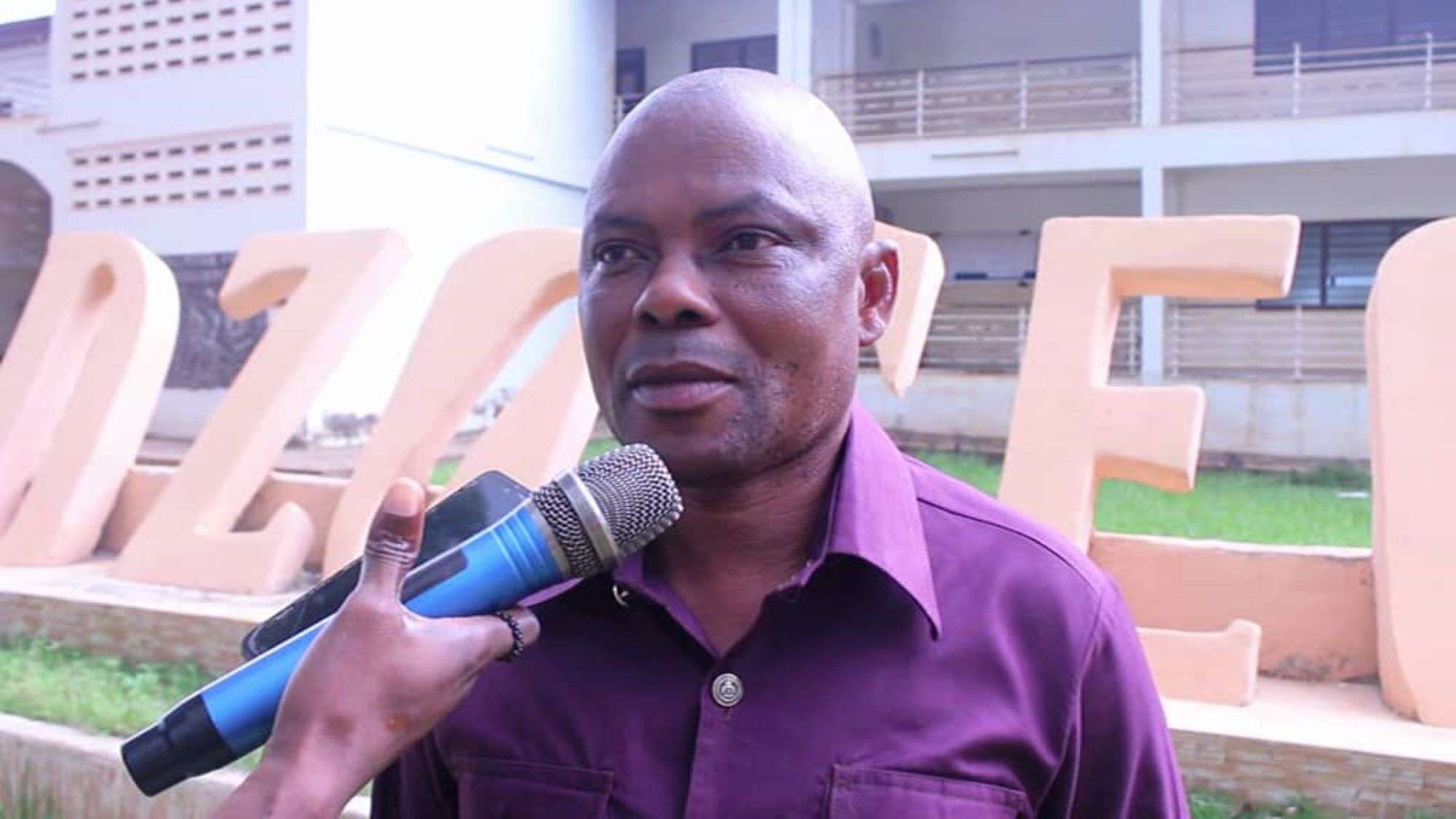
Speaking at a capacity-building workshop on “Responsible Security Reporting” at the Platinum Bay Hotel in Abokobi, Accra, on Saturday, August 29, 2026, the PRINPAG President, David Tamakloe, said the media remained an important institution in protecting democracy, promoting national cohesion and keeping citizens informed.
The workshop, organised in collaboration with the National Security Council Secretariat under the theme “Media as a Strategic Partner in National Security,” brought together security officials, media practitioners, journalists and other stakeholders.
Among those present were the National Security Coordinator, COP Razak Osman; Deputy National Security Coordinator, Major General (Rtd) Ayamdo; Deputy Minister for Government Communications, Venerable Shamima Muslim; Senior Lecturer at the University of Media and Development Studies, Lawyer Zakaria Tanko Musa; representatives of the Cyber Security Authority and officials from the National Security Council Secretariat.
Building capacity for responsible security reporting
David Tamakloe said the workshop was designed to strengthen the ability of private newspapers and online news publishers to report accurately, responsibly and professionally on contemporary security issues.
According to him, the initiative would help strengthen the media’s contribution to public awareness, national cohesion, democratic governance, and public safety.
Selected PRINPAG members were encouraged to take the training seriously and become ambassadors of responsible security journalism within their respective media organisations.
“You are here because we believe in your capacity to lead the way in responsible security reporting,” the President said, urging participants to share the knowledge gained with colleagues after the workshop.
PRINPAG seeks stronger partnership with security agencies
David Tamakloe expressed appreciation to the National Security Council Secretariat for partnering with the association to organise the programme.
He described the collaboration as evidence of a shared commitment to building stronger bridges between the security sector and the media.
However, he called for deeper and sustained collaboration, urging the National Security Council and other allied agencies to provide further support to journalists and media organisations.
The address noted that journalists, particularly those working in the private media, often commit significant time and resources to keeping the public informed and supporting democratic development.
David Tamakloe, therefore, appealed for greater investment in media organisations and professional associations such as PRINPAG.
PRINPAG’s contribution to Ghana’s democracy
Tamakloe also highlighted PRINPAG’s longstanding contribution to Ghana’s media landscape, noting that the association had existed since 1991, before the establishment of the Fourth Republic under the 1992 Constitution.
According to him, PRINPAG had over the years served as a peer-review platform, watchdog and advocate for the private press while supporting journalists and promoting professional standards despite limited resources.
The association, Tamakloe stressed, remained committed to serving as a strategic partner in Ghana’s democratic development.
PRINPAG rejects claims that traditional media is dying
A major part of the address focused on the challenges posed by the rapid growth of social media and other digital platforms.
Tamakloe criticised what was described as a growing perception that traditional journalism was becoming irrelevant because of the emergence of the “new media.”
The President argued that the rise of social media should not be equated with the decline of professional journalism.
According to the address, journalism remained a noble profession that had historically played a crucial role in exposing wrongdoing, challenging abuse of power, giving voice to the vulnerable and documenting important events.
He cautioned against abandoning professional journalism simply because digital platforms had transformed the way information was produced and consumed.
The address also stressed the importance of preserving journalism’s role in documenting society and safeguarding public memory.
Call for regulation without undermining press freedom
Tamakloe further called for appropriate legislation and regulation to protect the media industry while safeguarding freedom of expression.
He argued that regulation should not be used to suppress journalists or silence dissenting views but should help create an environment where credible journalism can thrive and misinformation can be challenged.
The address also called for greater financial support for the media, stressing that resources were necessary for media organisations to maintain professional standards and remain sustainable.
However, David Tamakloe acknowledged that funding alone would not solve the challenges confronting the industry.
Journalists, he said, must also demonstrate integrity, uphold professional ethics and place the national interest above narrow personal or political agendas.
Responsible security reporting
He used the workshop to remind journalists of their responsibility when reporting on security-related matters.
Members of the media were encouraged to prioritise accuracy, professionalism, responsibility and conflict-sensitive journalism in their coverage.
David Tamakloe said responsible reporting was particularly important in security matters because inaccurate or sensational reporting could have consequences for public safety, national cohesion and confidence in state institutions.
The address therefore urged journalists to carefully verify information before publication and to approach sensitive security stories with professionalism.
Media urged to remain committed to its watchdog role
He maintained that journalists had a critical role to play in strengthening democracy and ensuring accountability, and called on media practitioners to defend the integrity of journalism while adapting to changes in technology and audience behaviour.
The address also emphasised the need for media associations, security institutions and other stakeholders to work together to create a professional environment where journalists can perform their duties safely and effectively.
The workshop, Tamakloe said, provided an opportunity for participants to learn from security experts, exchange experiences and establish professional networks that could benefit both the media and the country.
Commitment to professional journalism
In concluding the address, David Tamakloe thanked the National Security Council Secretariat, facilitators, resource persons, media executives and participants for their commitment to the programme.
He encouraged participants to actively engage in the discussions, ask questions, and share their experiences throughout the workshop.
The PRINPAG leadership also reaffirmed its commitment to a free, responsible, and independent press, urging journalists to protect the credibility of the profession and ensure that truth remains central to their work.
Tamakloe expressed hope that the workshop would contribute to a safer, better-informed, and more united Ghana.
“Together, let us shape the future of journalism, defend its honour, and ensure that truth never goes out of fashion,” he noted.