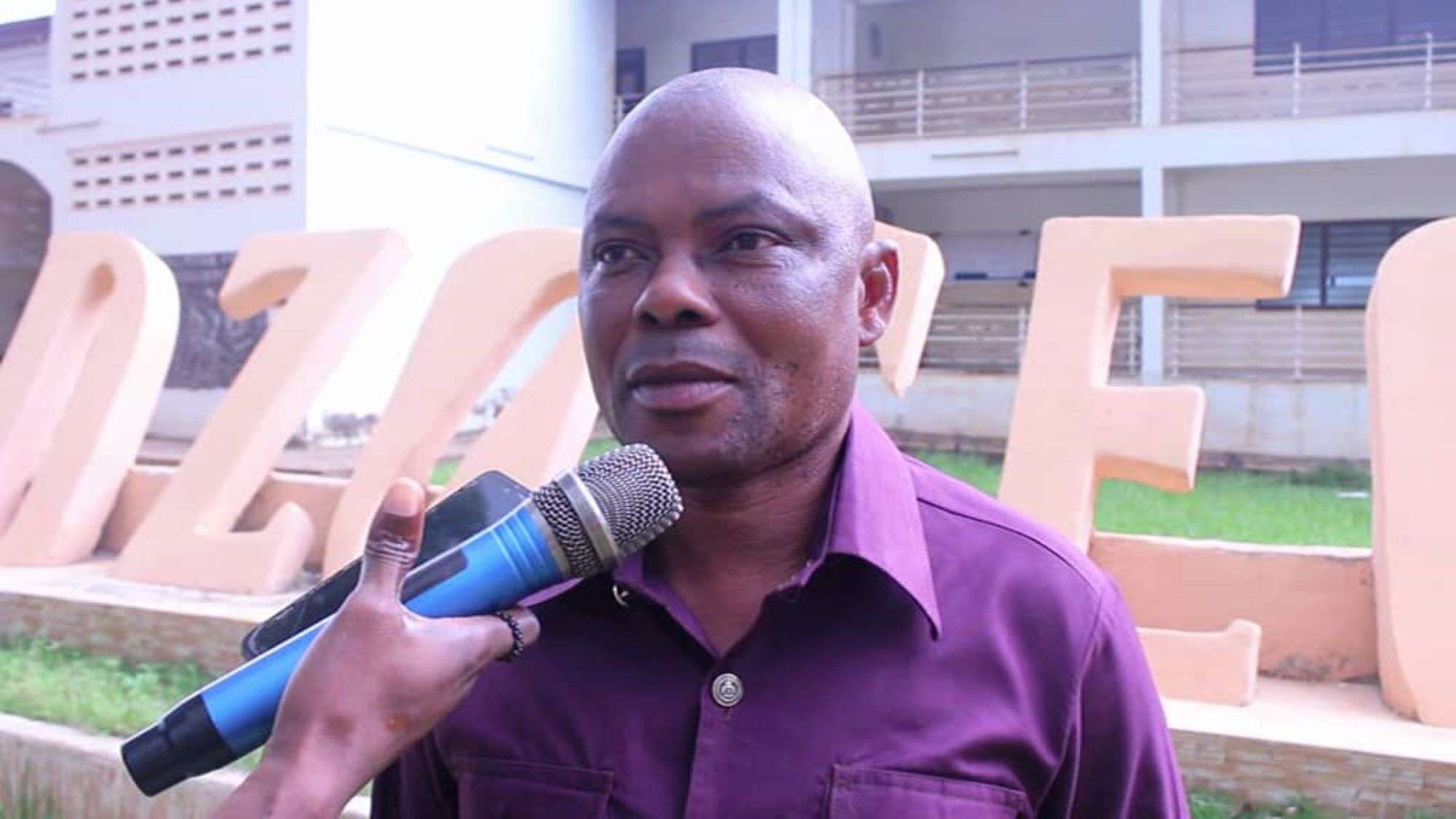


Ghanaian reggae-dancehall artiste Ras Kuuku has publicly defended the long-standing practice of payola in the music industry, framing it not as corruption but as a form of appreciation for DJs and media personalities who dedicate time and resources to promoting artistes.
The outspoken musician argued that many critics of the practice misunderstand the close professional relationships that develop between artistes and the media figures who help their songs gain exposure. In his view, the system is less about unfair advantage and more about recognising the contribution of those who push music onto the airwaves.
“Payola has been there from way back and it’s still there. People call it payola, but me sitting down, I’ve got to know that it’s a kind of appreciation,” Ras Kuuku said.
He explained that artistes naturally form bonds with certain media practitioners who consistently support their work. When a new song is released, it is common for the artiste to show gratitude to those individuals, even if the DJs or presenters already receive salaries from their stations.
“Every artiste has somebody in their industry with whom he or she loves. So definitely when you’re coming out with a song and then you take the person to play for you, even though he’s been paid over there, for your song to be played very well, at least you give the person something so that he can also enjoy what he’s coming to do,” he stated.
Ras Kuuku’s remarks have once again ignited discussion around payola, a practice that remains one of the most contentious issues in Ghana’s music scene. Critics have long condemned it as an unfair system that favours artistes with deeper pockets, allowing them to buy preferential airplay while talented but less financially resourced musicians struggle for exposure. They argue that the practice distorts the market, reduces opportunities for genuine talent, and undermines the integrity of radio and media platforms.
Supporters, however, share Ras Kuuku’s perspective. They contend that DJs and media personalities often go beyond their official duties, investing personal time, creativity and sometimes even their own money to promote songs they believe in. In an industry where radio still plays a decisive role in determining hits, many see small tokens of appreciation as a reasonable way of acknowledging that extra effort.
The debate is particularly relevant in today’s digital era. Streaming platforms have changed how music is consumed, yet traditional radio and television remain powerful gatekeepers for mass audiences in Ghana. Artistes who fail to secure regular airplay often find it harder to break into the mainstream, regardless of the quality of their work. This reality has kept the conversation about payola alive, even as new technologies emerge.
Ras Kuuku’s intervention adds a prominent voice to the side that views the practice as an informal but understandable part of the industry’s culture. He has previously spoken candidly about the financial pressures facing Ghanaian musicians, including the challenges of making a living from streaming. His latest comments suggest he sees payola as one of the practical mechanisms artistes use to navigate a competitive and resource-scarce environment.
Industry observers note that the relationship between musicians and media remains complex and largely unregulated. While some stations and professional associations have attempted to discourage explicit pay-for-play arrangements, informal exchanges continue. The lack of clear, enforced guidelines means the practice often operates in a grey area, leaving both artistes and media workers to negotiate their own terms.
Ras Kuuku’s defence is unlikely to settle the argument. Instead, it is expected to intensify discussions about fairness, transparency and sustainability in the Ghanaian music industry. As more artistes speak out—some condemning the system and others, like Ras Kuuku, defending it as appreciation—the question of how airplay is determined will remain a live issue for the sector.
For now, the reggae-dancehall artiste has made his position clear: what many call payola is, in his experience, simply a way of showing respect to the people who help music reach its audience.