
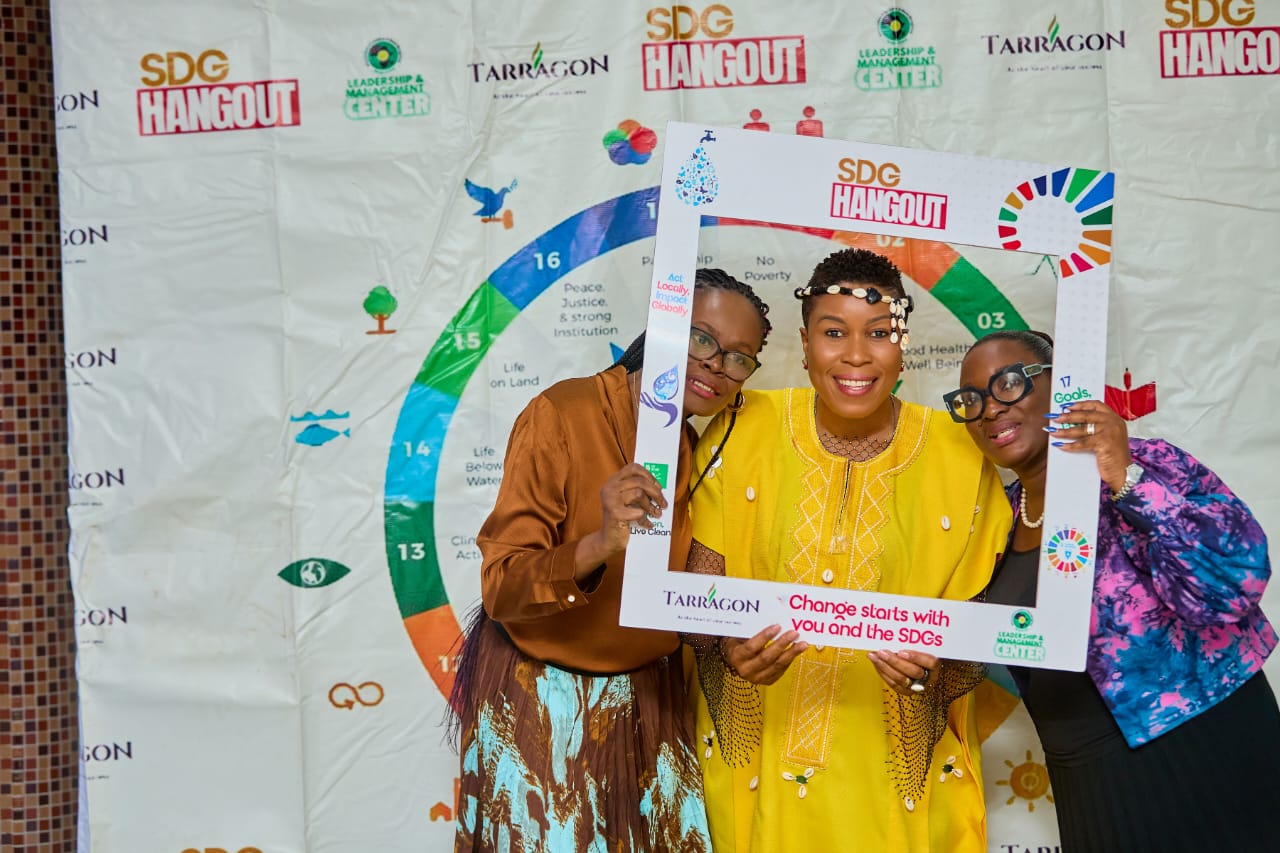
The SDG Hangout on Sustainable Development Goals (SDGs) 5 and 8 has called for stronger commitments from governments, businesses and development institutions to accelerate women’s leadership, gender equality and inclusive economic growth.
The event, organised by Tarragon Edge Limited in partnership with the KNUST–Africa Institute of Sanitation and Waste Management (K-AISWAM), brought together representatives from government, academia, the private sector, development organisations and civil society under the theme, “From Inclusion to Impact: Empowering Women for Leadership, Enterprise and Growth.”
Participants urged organisations to move beyond policy discussions by implementing practical initiatives that expand opportunities for women in leadership, entrepreneurship and the workplace.
What they are saying
Speaking at the event, Lead Consultant of Tarragon Edge Limited and Convener of the SDG Hangout, Dr. Genevieve Pearl Duncan, said achieving sustainable development requires deliberate investment in women and greater economic inclusion.
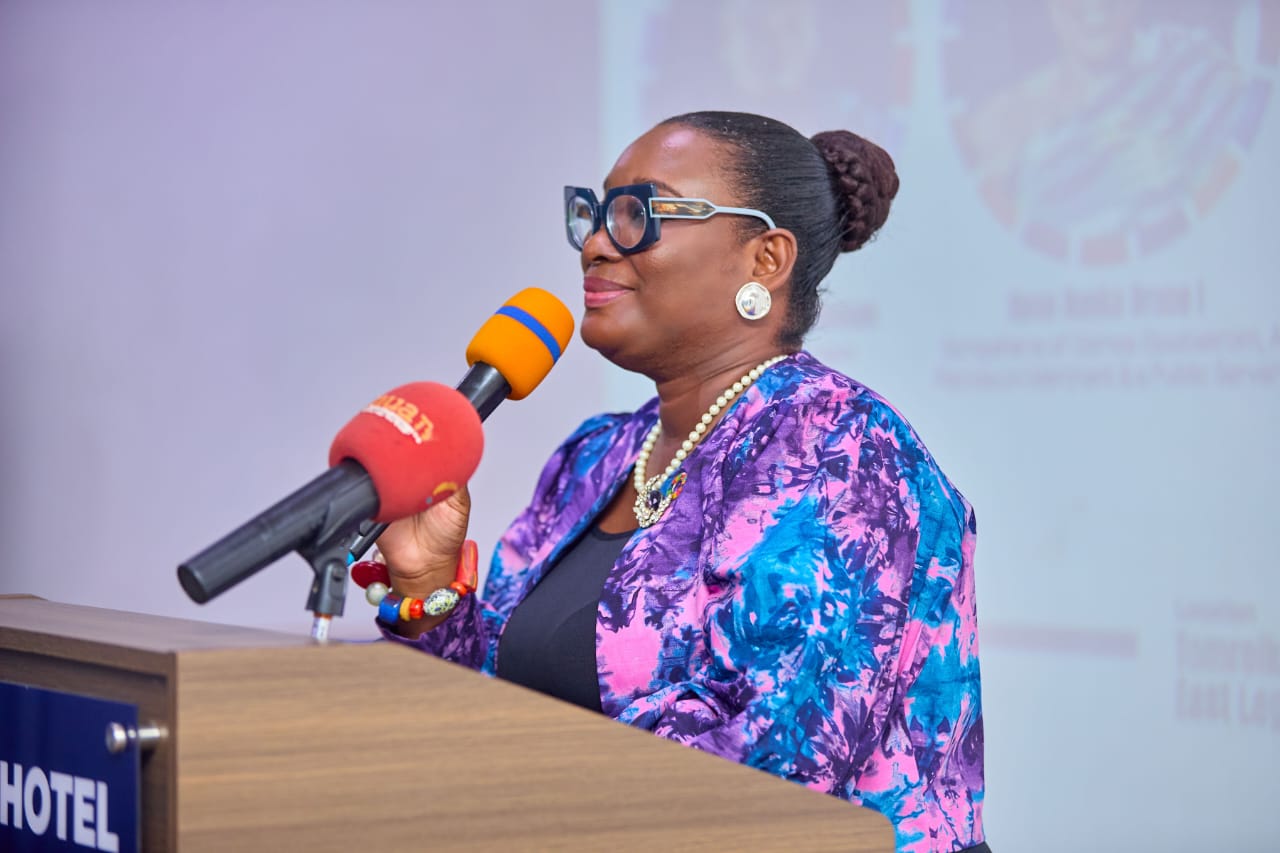
According to her, organisations must create environments where women are empowered to lead, innovate and contribute meaningfully to economic development.
“The future of sustainable development depends on our ability to transform inclusion into measurable impact. Every organisation represented here has a role to play in creating opportunities where women can lead, innovate and thrive,” she said.
Delivering the keynote address, Josephine Ashia, Head of the Gender Equality Desk at the National Security Secretariat, described gender equality as both a national development priority and a security imperative.
She said strengthening women’s participation in leadership, protecting their rights and implementing gender-responsive workplace policies would contribute to stronger institutions, more resilient communities and sustainable economic development.
Ashia further encouraged organisations to move beyond compliance by embedding inclusive policies, creating safer workplaces and increasing women’s participation in decision-making.
More Speakers
Speakers at the event highlighted the role of inclusive leadership, mentorship, technology and skills development in advancing women’s economic participation.
Sompahene Nana Nanka Bruce 1 encouraged women to pursue leadership opportunities with competence, resilience and integrity, while emphasising that leadership appointments should be based on merit and capability.
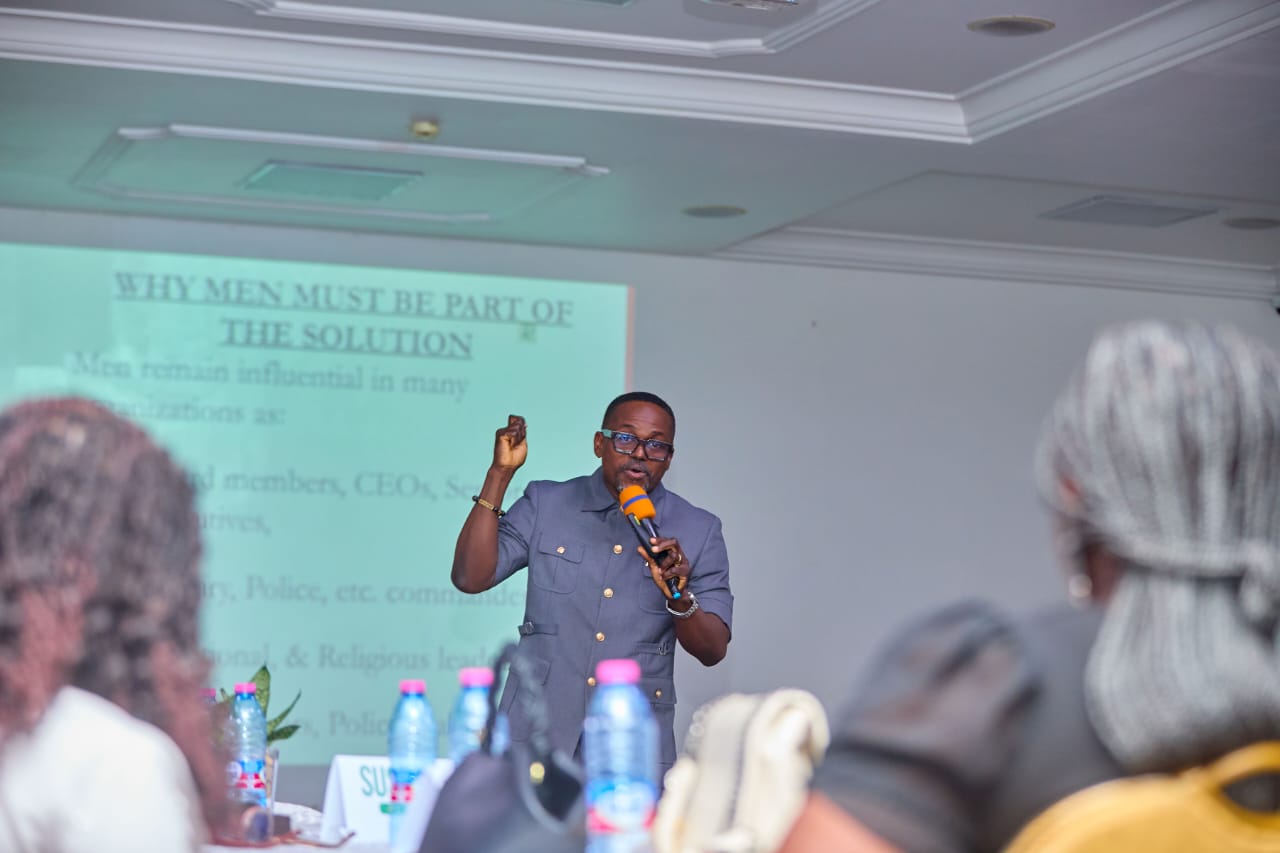
Dr. Victor Abbey called on men to play a more active role in advancing gender equality by mentoring, sponsoring and creating opportunities for women to succeed professionally.
Grace Naa Ardua Nelson urged women to prepare for the future of work by investing in digital skills, innovation, entrepreneurship and continuous learning, noting that technological transformation continues to reshape labour markets globally.
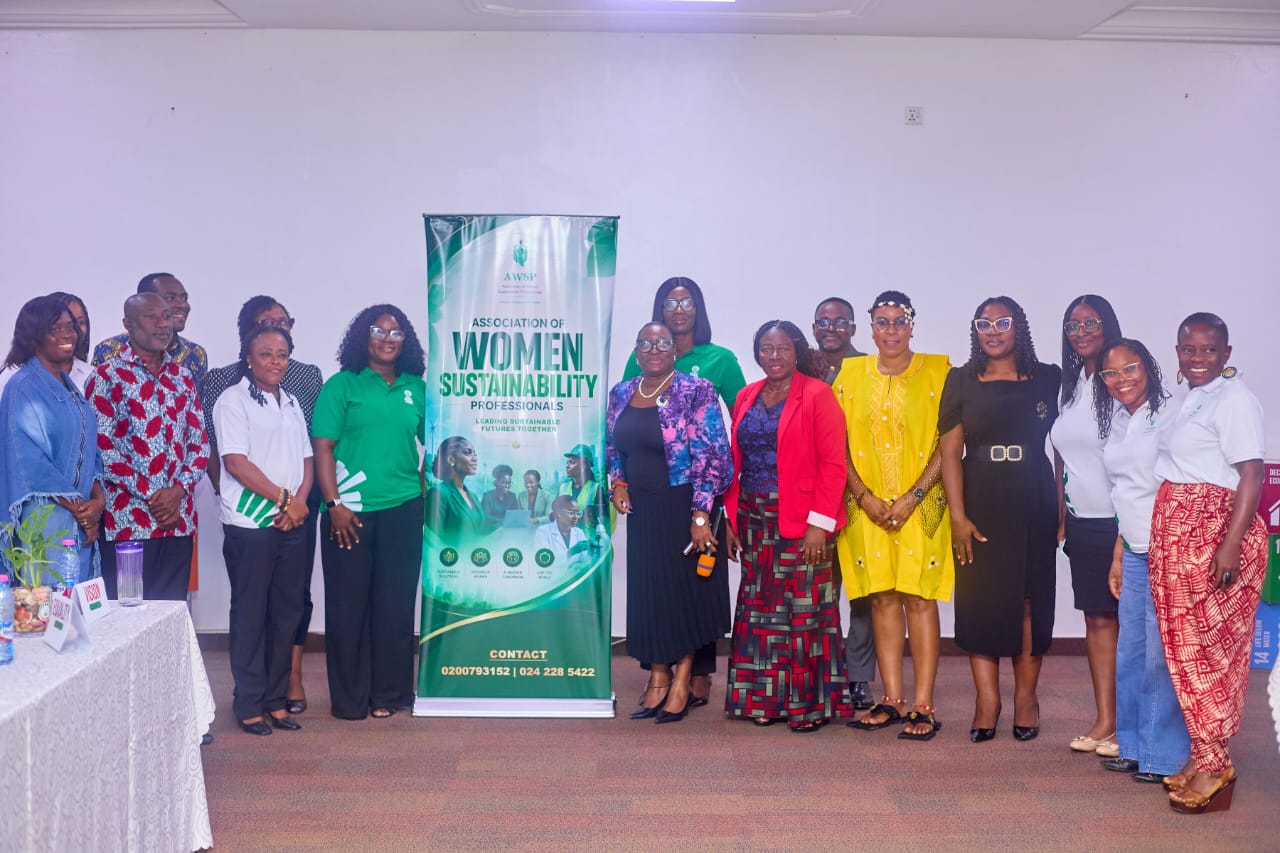
Association of Women Sustainability Professionals launched
A major highlight of the event was the launch of the Association of Women Sustainability Professionals (AWSP), a new professional body aimed at strengthening women’s participation in sustainability and Environmental, Social and Governance (ESG) leadership across Ghana and Africa.
Introducing the association, its President and ESG & Sustainability Executive at ARB Apex Bank, Dr. Thelma Mensah, said the initiative seeks to build leadership capacity, promote research and innovation, mentor emerging professionals, strengthen partnerships across sectors and increase women’s representation in sustainability leadership and corporate boardrooms.
Participants welcomed the initiative and pledged support towards advancing sustainability leadership and gender inclusion.
More insights
One of the interactive sessions, known as the Impact Bowl, invited participants to publicly commit to practical actions they would implement within their organisations and communities.
Among the commitments announced were expanding opportunities for women in recruitment and leadership, mentoring emerging female professionals, strengthening gender-responsive workplace policies, supporting women-owned businesses through procurement, investing in entrepreneurship and leadership development, promoting decent work and fair wages, increasing women’s representation on corporate boards and integrating sustainability into organisational strategy.
Participants also pledged greater collaboration across sectors to accelerate progress towards SDGs 5 (Gender Equality) and 8 (Decent Work and Economic Growth).
What you should know
Sustainable Development Goal 5 seeks to achieve gender equality and empower all women and girls, while SDG 8 focuses on promoting sustained, inclusive and sustainable economic growth, productive employment and decent work for all.
The SDG Hangout serves as a thought leadership platform that brings together policymakers, business leaders, academics, development partners and civil society organisations to promote collaboration and practical action towards achieving the United Nations Sustainable Development Goals.
Organisers said the platform will continue to facilitate dialogue, partnerships and measurable actions aimed at advancing inclusive leadership, women’s economic empowerment and sustainable development across Ghana.