
Legal practitioner, Wayoe Ghanamannti, has raised a troubling concern: that the kind of political tensions that led to the assassination of John F. Kennedy in 1963 could, in some way, repeat themselves; this time involving Donald Trump.
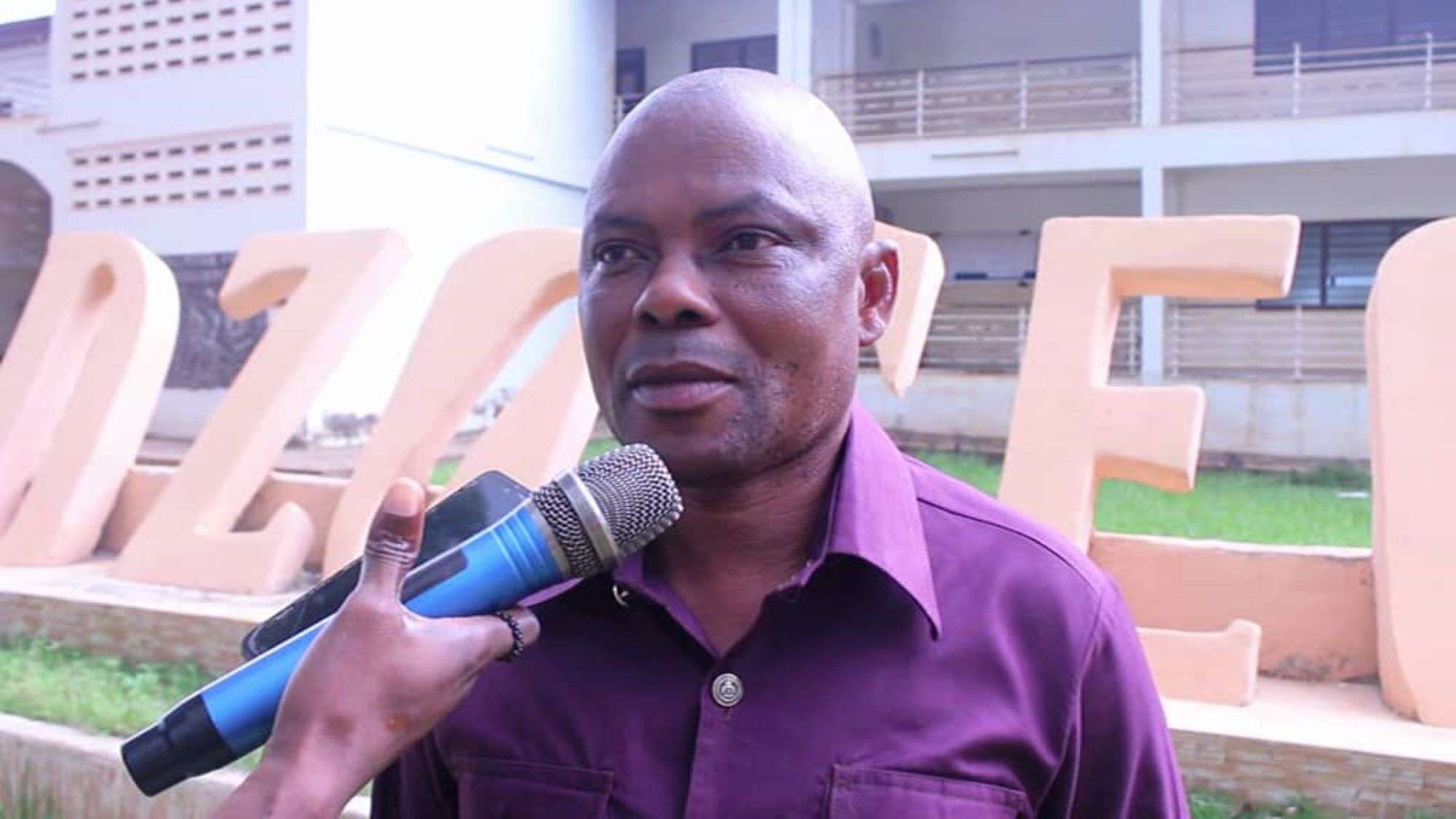
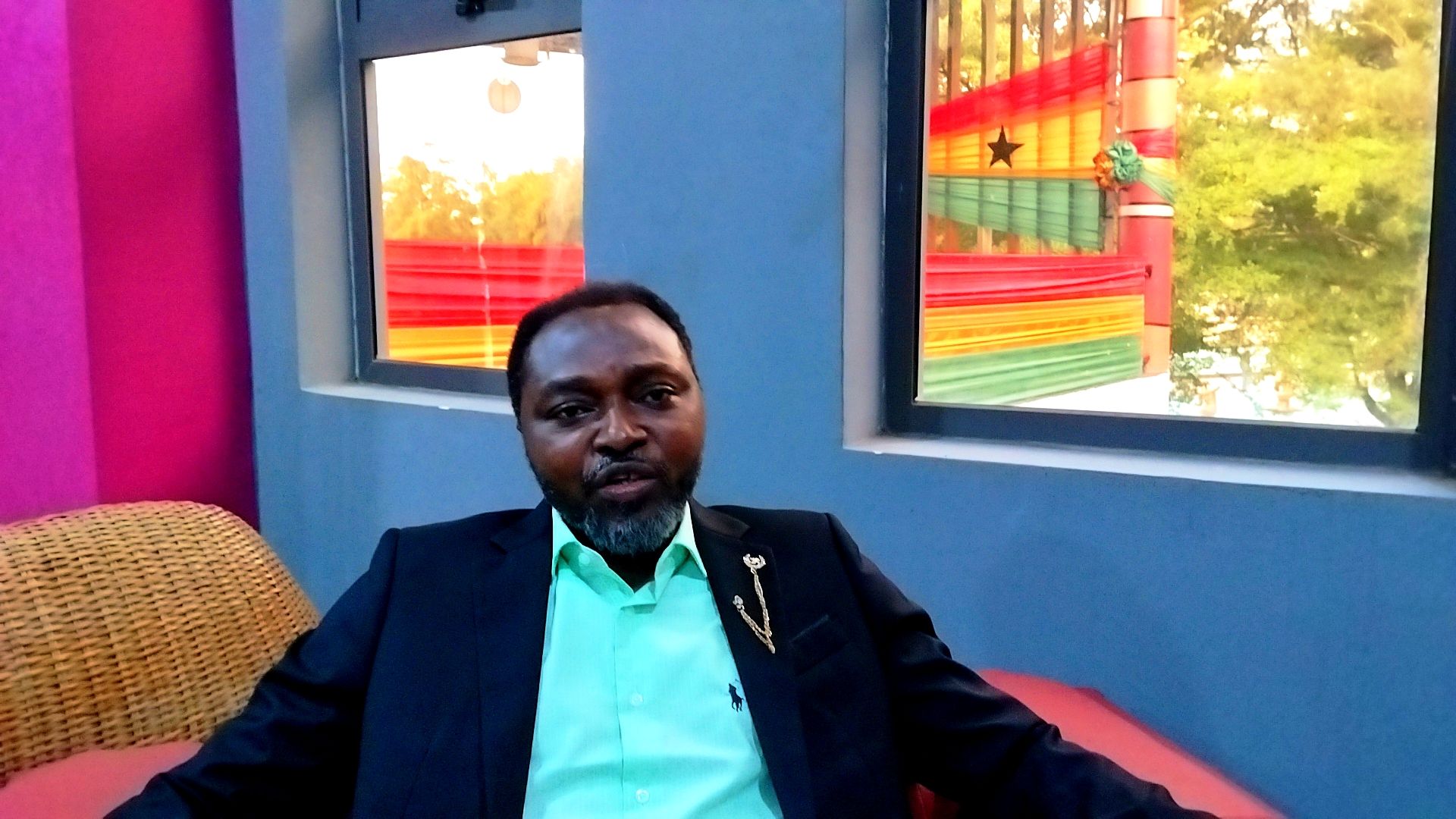
Speaking in an interview with Custodian News Ghana, the lawyer pointed to the growing tensions in the Middle East, particularly involving the United States, Israel, and Iran. He argued that Iran’s actions must be viewed within the context of self-defense following pressure from both the U.S. and Israel.
But beyond geopolitics, Ghanamannti’s concerns took a more personal and reflective turn.
He warned that global power struggles often have hidden consequences – sometimes affecting individuals at the very top. According to him, the world has seen this before.
“History has a funny way of repeating itself,” he said, drawing parallels to the era of President Kennedy.
Ghanamannti referenced lingering theories surrounding Kennedy’s assassination particularly claims that tensions between the U.S. government and Israeli leadership at the time (1960s) may have played a role. While such claims remain widely debated, he believes they offer a cautionary lesson.
He noted that Kennedy, despite supporting Israel with military aid, had disagreements over its nuclear ambitions, a tension some analysts have long speculated about.
Fast forward to today, Ghanamannti sees echoes of that delicate balancing act.
He pointed out that Trump, in engaging Iran while attempting to calm tensions, may be navigating a similarly complex relationship especially if key allies feel sidelined in peace efforts.
“President Trump has gone to Iran with Israel but in seeking peace he has put the Israelis aside. Would the Israelis be happy?, Ghanamannti asked.
The Lawyer believes when the U.S. decides to pursue peace without fully carrying its allies along, questions must be asked.
For Ghanamannti, the concern is not just about diplomacy, but about the unseen risks that can emerge when global alliances shift.
“I am saying that the point where nobody is looking is where disaster strikes,” he cautioned.
Despite his warnings, the lawyer emphasized the urgent need for de-escalation, stressing that continued conflict would have far-reaching consequences for the global economy and ordinary people around the world.