
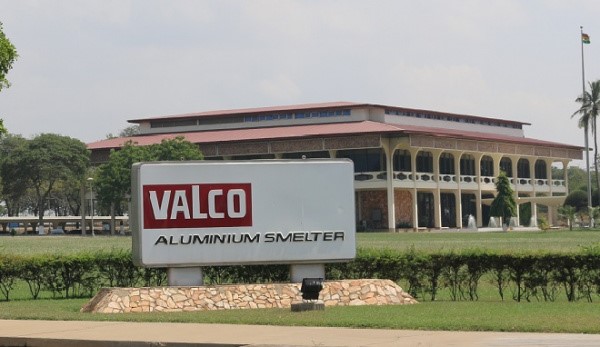
The Volta Aluminium Company Ltd (VALCO) has produced its first rod cast in just nine months, marking the start of the long-awaited shift from exporting primary aluminium to value addition.
The company also recorded revenue of $103.85 million for the first nine months of the year, which management described as a record in many years.
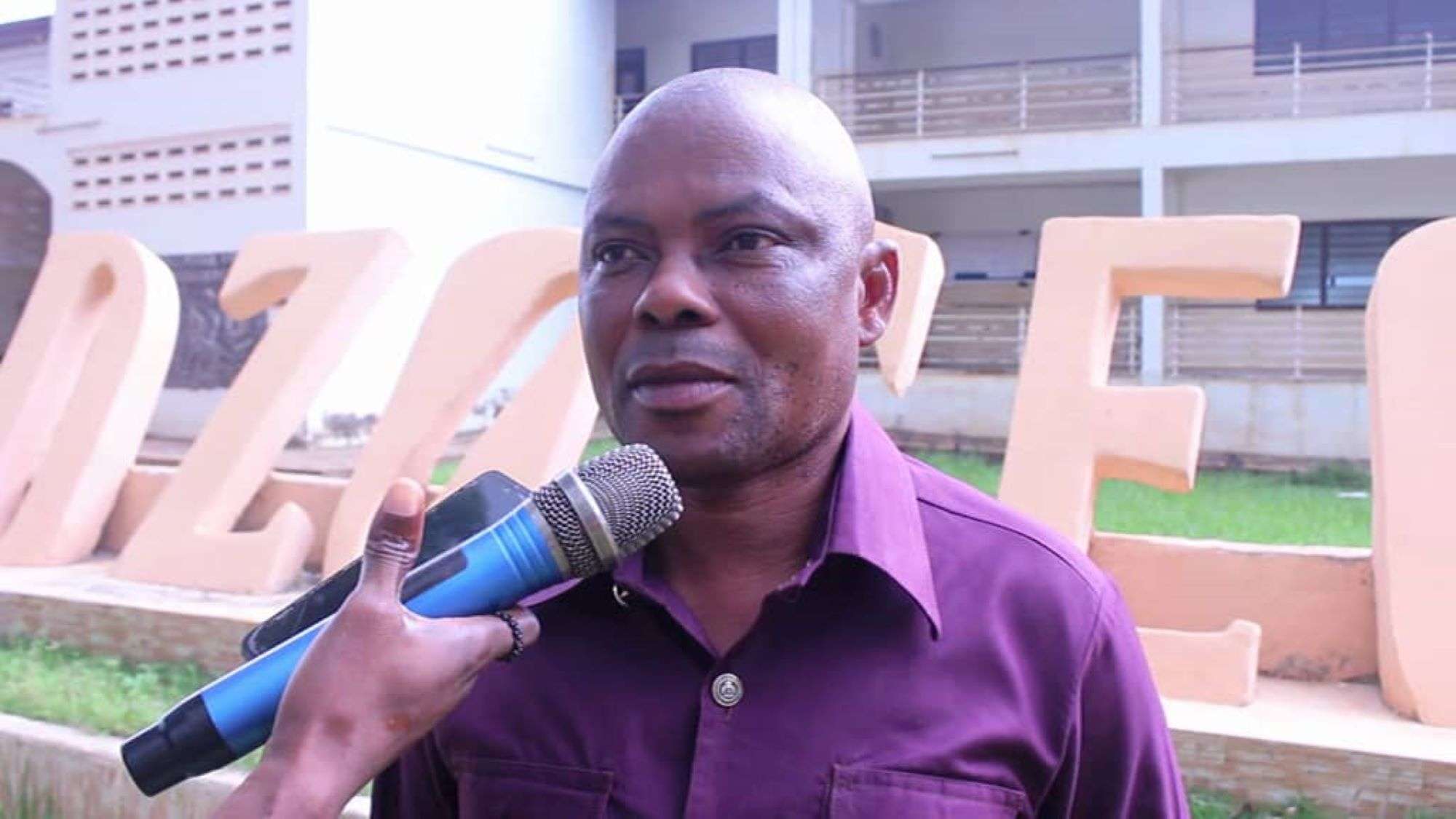
The Chief Executive Officer of VALCO, Dr Robert Makila Sambian, announced this at a press conference at the Ministry of Lands and Natural Resources in Accra on Tuesday, 3rd November.
“We had our first rod cast in just nine months, and as we speak today, it is producing and supplying local and international markets,” he said.
Rod mill
Dr Sambian said the rod mill would deepen local industrialisation, create sustainable jobs, reduce reliance on imported aluminium products and boost export earnings.
He said it would also support the government’s 24-hour economy policy. Because demand was huge, the company had introduced a four-shift system to run around the clock.
Financial performance
Dr Sambian said the company produced about 29,500 tonnes of aluminium in the period. It also posted a profit of $103.85 million before depreciation.
“Revenue can be high, and if cost is higher, you are still losing. The bottom line is positive,” he said.
Starting point
Dr Sambian said that when his team took office about a year and a half ago, the smelter was producing about 40,000 tonnes a year against an installed capacity of 200,000 tonnes. It was running 114 pots, and its equipment was old and broke down frequently. Power supply was unstable, and revenues were exposed to volatile global commodity markets.
“We declared that the era of accepted decline was over,” he said.
He said management adopted a five-year strategic plan with an initial phase to optimise existing operations while preserving jobs for the plant’s roughly 850 workers.
Equipment injection
Dr Sambian said VALCO replaced costly equipment rentals with a pay-to-own arrangement negotiated with suppliers. He cited a payloader whose six-month rental cost matched the price of a new one.
Within about 12 months, he said, the plant received brand new forklifts, payloaders, articulated trucks, tractors, melting furnaces and mobile crushing equipment, the most significant injection of equipment since the Kaiser era almost two decades ago.
Three cranes, none replaced since the plant was established, have also been secured, one for the carbon plant and two for the cell lines. The first has been inspected and certified for shipment, and delivery is expected in six weeks.
Setback
Dr Sambian said the pot count was raised from 114 to 127, and 124 pots were running by June 29. A power trip then knocked out nearly 30 cells.
He said the company was on a strong recovery path and had imported anodes to restore the pot count. It was targeting full capacity of 200 pots in 2027.
The long-term vision
Dr Sambian said VALCO aimed to modernise its idle pot lines and build a new state-of-the-art line, dubbed Line Six, to reach 1.5 million tonnes of aluminium a year within a decade.
He said the project would cost between $2.5 billion and $4 billion, though it could start with about $1 billion and scale up. When realised, it is expected to generate about $3 billion annually and create more than 5,000 direct jobs, with millions more indirectly.
He added that the project would stimulate local salt and lime production, which are needed to process bauxite into alumina.
VALCO will mark its 60th anniversary in March next year.
By Kingsley Asiedu