
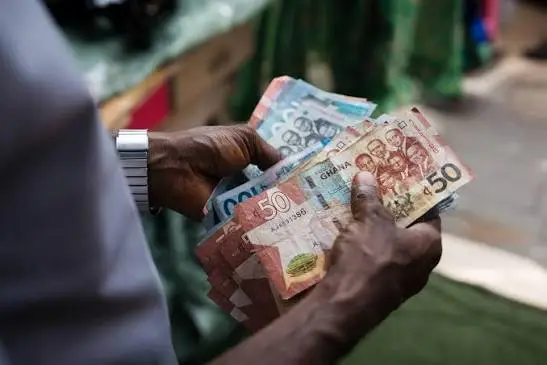
Earning a salary does not automatically guarantee financial stability. For many people, the problem is not necessarily how much they earn, but what happens to their money after payday.
It is possible to have a regular income and still struggle to save, invest or handle unexpected expenses. Small financial habits, repeated over months and years, can quietly consume a large portion of your income.
The good news is that these habits can be identified and changed. Here are 10 behaviours that may be keeping you financially stuck despite earning a salary.
1. Spending everything because payday has arrived
One common mistake is treating payday as permission to spend freely. After weeks of waiting for a salary, people may rush to buy clothes, eat at expensive restaurants, upgrade gadgets or spend heavily on entertainment.
The problem is that these expenses can quickly reduce the money available for necessities and savings.
A better approach is to decide how much you can spend before payday arrives and keep savings aside first.
2. Living beyond your means
Lifestyle inflation can happen quietly. As income increases, expenses often increase too.
Someone who once managed comfortably with a modest lifestyle may begin paying for a more expensive apartment, car, phone, clothing and social activities after receiving a salary increase.
Higher income can therefore produce little improvement in financial security if spending rises at the same pace.
3. Relying heavily on credit
Credit can be useful when managed responsibly, but constantly borrowing to pay for everyday expenses can create a difficult cycle.
Using loans, overdrafts or credit cards to cover food, bills and entertainment means part of future income is already committed before it arrives.
When repayments accumulate, a salary that initially seemed sufficient may no longer cover current needs.
4. Making frequent impulse purchases
Small purchases can appear harmless because each one costs relatively little. However, buying something every time you see a promotion, social-media advertisement or attractive product can add up.
The habit becomes particularly costly when purchases are made without considering whether they are actually needed.
A simple rule can help: delay non-essential purchases for 24 hours. If you still need the item after the waiting period, consider buying it.
5. Failing to track where money goes
You cannot easily control spending that you do not monitor.
Some people know their monthly salary but have no clear idea how much they spend on transportation, food, subscriptions, mobile data, entertainment or miscellaneous expenses.
Tracking spending for even a few months can reveal patterns that are difficult to notice otherwise.
6. Treating savings as whatever is left
Another habit that can quietly keep someone broke is saving only at the end of the month.
Unfortunately, there may be little or nothing left by then.
Instead, consider treating savings as a regular expense. Set aside a predetermined amount when your salary arrives rather than waiting to see what remains.
Even a modest amount saved consistently can provide a financial cushion over time.
7. Trying to impress other people
Social pressure can be expensive.
Some people spend beyond their means to maintain an appearance of success—buying expensive clothes, phones, cars or paying for outings they cannot comfortably afford.
The challenge is that other people may notice your lifestyle, but they will not necessarily help you pay your bills.
Financial decisions should therefore be based on your circumstances and priorities rather than the desire to impress others.
8. Ignoring small recurring expenses
Subscriptions, delivery fees, frequent takeaways, unnecessary bank charges and other recurring costs may seem insignificant individually.
But when several small expenses occur every month, they can become a substantial annual cost.
Reviewing recurring payments regularly can help identify services you rarely use or expenses that could be reduced.
9. Not having an emergency fund
Without emergency savings, an unexpected medical bill, job interruption, family emergency or major repair can force someone to borrow money.
An emergency fund provides a buffer against these situations.
The appropriate amount depends on a person’s circumstances, income stability and expenses, but building the fund gradually is often more realistic than waiting until you can save a large amount at once.
10. Increasing spending whenever income increases
Getting a raise is good news, but immediately upgrading your lifestyle can prevent the extra income from improving your financial position.
For example, if your salary increases by 20 percent and your spending also rises by 20 percent, you may remain just as financially vulnerable as before.
Consider directing at least part of every salary increase toward savings, investments, debt repayment or other long-term financial goals before increasing discretionary spending.
Breaking the cycle
Being financially stable is not simply about earning more. It also involves developing habits that allow some of your income to remain available for future needs.
Start by examining where your money goes each month. Separate essential expenses from wants, reduce unnecessary recurring costs and establish a realistic savings target.
You do not have to change everything overnight. Small adjustments can become significant when maintained consistently.
Ultimately, the goal is not to avoid spending altogether. It is to make sure your spending reflects your priorities rather than allowing everyday habits to determine where your salary disappears.