

Mounting losses, deepening negative equity, rising monetary policy costs, and growing reliance on volatile income sources are emerging as major threats to Ghana’s economic stability, with fresh warnings that the financial position of the Bank of Ghana (BoG) could endanger the entire economy if left unaddressed.
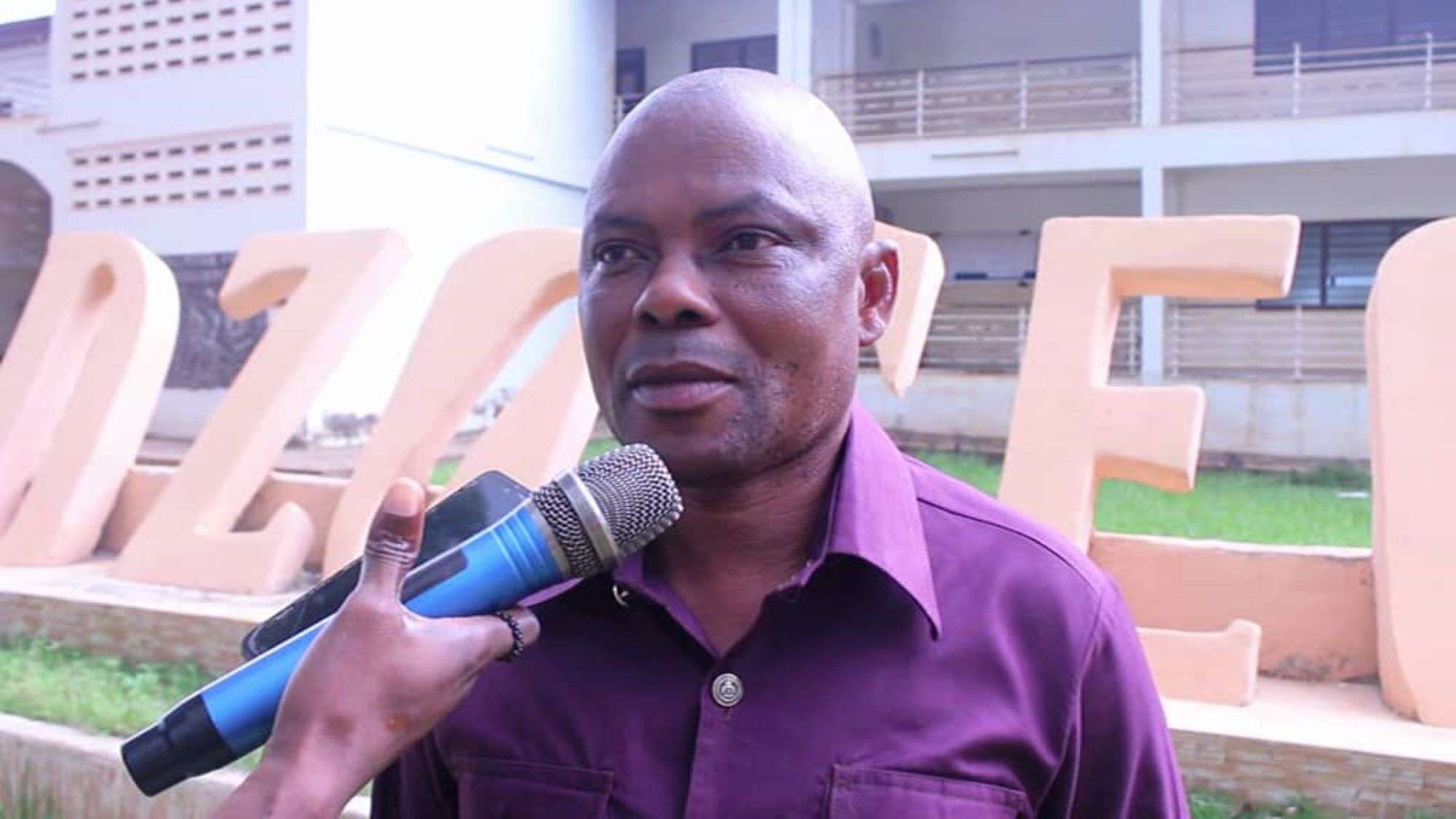
These concerns have been amplified at the international level following a formal petition by former Minister for Finance and Karaga MP, Dr. Mohammed Amin Adam, to the International Monetary Fund (IMF), in which he cautioned that the central bank’s 2025 financial results signal deeper structural weaknesses with far-reaching implications for fiscal sustainability, debt dynamics, and investor confidence.
In a detailed seven-page letter to the IMF Mission Chief overseeing Ghana’s Extended Credit Facility programme, Dr. Amin Adam argued that the debate over the Bank of Ghana’s losses must go beyond headline figures and focus on the underlying risks embedded in its balance sheet—risks he believes could reverberate across the entire economy, particularly after the IMF programme ends.
While acknowledging the IMF’s critical role in helping Ghana navigate the 2022–2023 economic crisis, he stressed that the central bank’s latest financial statements should be viewed as a warning signal for the post-programme period. According to him, the figures expose vulnerabilities that extend beyond the Bank itself into the broader public sector balance sheet, effectively transferring risk to government finances.
At the core of his argument is the rapid deterioration in the Bank’s equity position, which has slipped deeper into negative territory.
He described this development not as a technical accounting issue but as a looming fiscal liability that will ultimately require government intervention.
“The Bank of Ghana’s negative equity is effectively a deferred fiscal cost,” he stated, warning that recapitalisation—whether through bond issuance or direct fiscal support—could significantly increase public debt and place additional strain on already tight government budgets.
Such an outcome, he cautioned, risks undermining fiscal consolidation efforts and could reverse recent gains made under the IMF-supported programme.
Dr. Amin Adam further challenged assertions that the central bank’s losses are manageable. Although the Bank reported an operating loss of GH¢15.63 billion, he argued that the true financial impact is far greater when other comprehensive losses are factored in.
This broader measure, he said, points to a more severe deterioration in the Bank’s financial health than is publicly acknowledged.
He also raised concerns about the sustainability of the Bank’s income structure, noting that a significant portion of its earnings is derived from non-recurring sources, particularly gold-related transactions. While such activities can provide short-term liquidity and support reserves, he warned that they are inherently volatile and cannot be relied upon as a stable source of income.
“Gold sales can support liquidity and reserves management, but gains are sensitive to prices, exchange rates, timing of disposal, and accounting treatment,” he noted, adding that overreliance on such measures risks masking underlying weaknesses and creating a false sense of policy stability.
Beyond revenue concerns, the former Finance Minister highlighted the escalating cost of monetary policy implementation as a major risk factor.
He pointed to the sharp increase in open market operation expenses, which have nearly doubled within a year, as evidence of structural inefficiencies in liquidity management.
If these costs persist, he warned, they could lead to recurring quasi-fiscal losses—where central bank operations generate deficits that must ultimately be absorbed by the government. This dynamic, he argued, could blur the line between monetary and fiscal policy, weaken central bank independence, and increase pressure on public finances.
“The key issue for macroeconomic stability is whether monetary policy can be implemented without generating recurring quasi-fiscal losses,” he wrote, underscoring the risk that the central bank could become increasingly dependent on government support to sustain its operations.
The petition also raised serious questions about transparency and governance, particularly in relation to gold-related transactions.
Dr. Amin Adam suggested that these operations may involve complex and potentially recurring exposures that are not fully disclosed, casting doubt on the true extent of their economic benefits.
He called for greater clarity on how such transactions are structured, approved, and accounted for, arguing that improved transparency is essential to restoring confidence in the central bank’s financial position.
In addition, he flagged the impact of exchange rate volatility on the Bank’s balance sheet, noting that large revaluation losses have significantly eroded its capital base. These valuation effects, he said, expose the central bank to further financial instability and highlight the fragility of its current position.
The broader implication of these challenges, according to Dr. Amin Adam, is that Ghana’s economic recovery remains vulnerable, particularly as the IMF programme approaches its conclusion. While progress has been made in reducing inflation and rebuilding reserves, he warned that these gains could prove short-lived if underlying fiscal risks—especially those linked to the central bank—are not fully recognised and addressed.
He urged the IMF to incorporate the cost of central bank recapitalisation into Ghana’s fiscal framework, cautioning that failure to do so could distort debt sustainability assessments and weaken investor confidence in the economy.
Without a credible plan to restore the Bank of Ghana’s financial health, he argued, the country risks entering the post-programme period with hidden liabilities that could trigger renewed macroeconomic instability.
Among the measures proposed to address these risks are the development of a clear and transparent recapitalisation strategy, enhanced disclosure of quasi-fiscal operations, and the introduction of a policy solvency framework that excludes one-off gains such as gold sales.
He also called for an independent review of accounting practices and stronger safeguards against monetary financing of government deficits, warning that such practices could further weaken fiscal discipline.
To strengthen oversight, Dr. Amin Adam proposed the creation of a post-programme fiscal risk dashboard to monitor key indicators including central bank equity levels, sterilisation costs, and contingent liabilities. Such a tool, he argued, would improve transparency and enable policymakers to respond more effectively to emerging risks.
The concerns raised in the petition also carry political undertones, with the former Finance Minister suggesting that reform momentum may have slowed under the current administration. Although not extensively elaborated, he indicated that this could pose additional risks as Ghana transitions into post-programme surveillance.
Ultimately, his warning is stark: the financial challenges facing the Bank of Ghana are not isolated but systemic, with the potential to destabilise the broader economy if decisive action is not taken.
“The durability of that progress will depend on whether fiscal consolidation is supported by transparent recognition of all public-sector obligations,” he concluded, cautioning that failure to confront these risks head-on could undo the hard-won gains of Ghana’s recent economic recovery and expose the country to renewed fiscal and macroeconomic shocks.