

The Majority side of Parliament’s Economy and Development Committee has defended the 2025 financial results of the Bank of Ghana (BoG), describing the reported losses as the necessary cost of restoring macroeconomic stability.
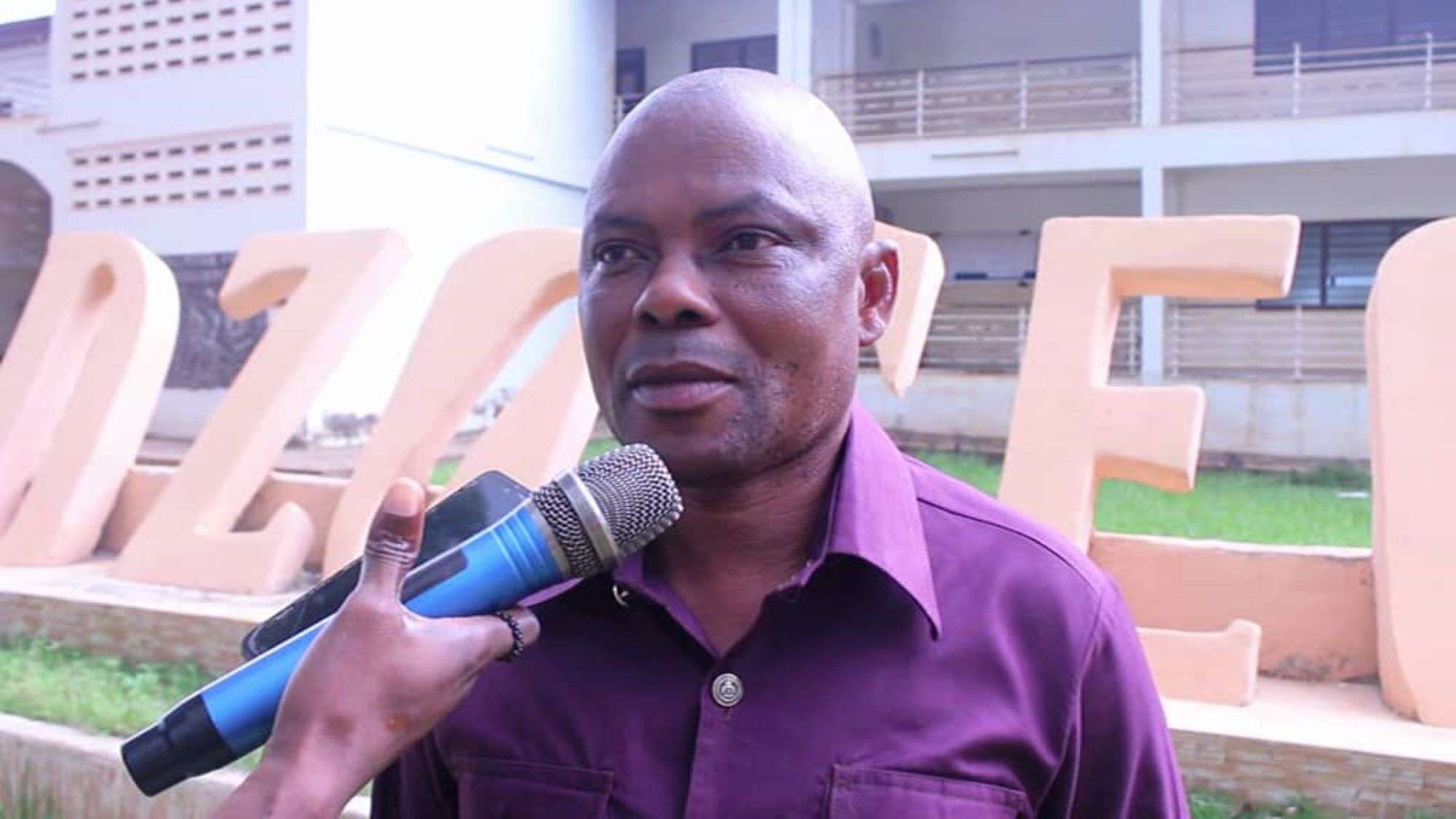
Addressing journalists on Tuesday May 5, 2026 Committee Chairman Eric Afful said the BoG’s net loss of GH¢15.6 billion and negative equity position of GH¢96.3 billion must be understood within the broader context of policy interventions undertaken during Ghana’s recent economic crisis.
“These figures are significant, but they must not be interpreted through the narrow lens of commercial banking. Central banking is fundamentally a public policy function,” he stated.
According to the Committee, the BoG’s financial performance reflects the cumulative impact of policy measures implemented between 2022 and 2025 to stabilise inflation, the exchange rate, and the broader economy.
The central bank recorded cumulative losses of about GH¢80.85 billion over the period, with the largest hit in 2022 at GH¢60.81 billion.
Mr. Afful explained that key interventions such as the Domestic Debt Exchange Programme (DDEP) significantly reduced interest income, contributing to an estimated GH¢13 billion shortfall in 2025.
“While this policy contributed to financial losses, it was essential for restoring debt sustainability,” he noted.
He also pointed to aggressive Open Market Operations (OMO), which cost the Bank approximately GH¢16.7 billion, as part of efforts to mop up excess liquidity and control inflation.
Despite the losses, the Committee Chairman stressed what he described as a strong and decisive turnaround in Ghana’s macroeconomic indicators.
Inflation dropped sharply to 5.4 percent by the end of 2025 and further to 3.2 percent by March 2026, while the Ghana cedi appreciated by about 40.7 percent against the US dollar.
Gross International Reserves also rose to approximately US$13 billion, providing 5.7 months of import cover, with projections to reach 15 months under the Ghana Accelerated National Reserves Accumulation Programme (GANRAP).
Economic growth rebounded to 6.0 percent in 2025, with non-oil GDP expanding by 7.8 percent.
“These improvements did not occur by chance. They are the direct outcome of policy measures undertaken by the Bank of Ghana,” Mr. Afful emphasised.
The Committee dismissed concerns about the Bank’s negative equity, insisting it does not indicate insolvency.
“Negative equity in central banking is an accounting condition and does not imply insolvency. Central banks are not profit-maximising institutions, rather they are stabilising institutions,” Mr. Afful explained.
He cited examples of major central banks globally that have recorded losses during periods of aggressive monetary tightening while still achieving their policy objectives.
Mr. Eric Afful expressed optimism that the financial burden on the BoG will ease as economic conditions stabilise.
He noted that Open Market Operation costs are expected to decline, exchange rate volatility will reduce, and the effects of the DDEP will gradually unwind.
The government’s planned recapitalisation of the central bank, he said, is also expected to strengthen its balance sheet over the medium term.
Mr. Eric Afful urged the public and analysts to interpret central bank financial statements within their proper policy context rather than focusing solely on headline losses.
“The 2025 financial results must not be seen as a failure, but the cost of restoring stability, rebuilding confidence, and securing the future of the Ghanaian economy,” he stressed.
By Osumanu Al-Hassan