
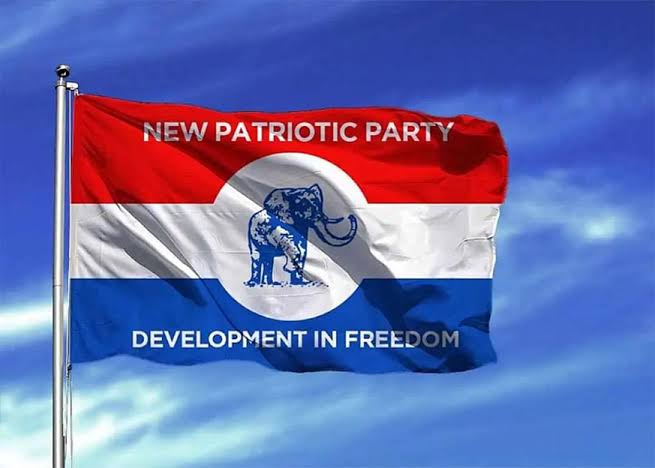
Policy and governance think-tanks have begun applauding the opposition New Patriotic Party (NPP) following the party’s decision to establish policy committees aimed at developing alternative governance proposals ahead of the 2028 general election.
The latest endorsements come after the party’s 2028 presidential candidate, Dr Mahamudu Bawumia, initiated the formation of several sector-based policy committees as part of efforts to reorganise the NPP after its defeat in the 2024 elections and reposition the party as a policy-driven opposition force.
The move has drawn praise from governance experts and civil society voices, including policy analyst and IMANI Africa President Franklin Cudjoe, who described the initiative as a long-awaited response to demands for more issue-based politics in Ghana.
Reacting to reports about the new committees, Franklin Cudjoe welcomed comments attributed to Dr Bawumia stressing that the NPP must evolve beyond merely criticising the government and instead present practical alternatives to Ghanaians.
“Dr. Bawumia wants a party that does not only criticise. He wants a party that can present Ghanaians with a clear, costed and credible alternative at any point in time,” Mr Cudjoe wrote.
He added that the development reflects what IMANI Africa and other governance advocates have consistently demanded from political parties over the years.
“I like the above quote. Finally the NPP is waking up to what we at IMANI demanded of them and every political party a while back, but some of their leadership dismissed us. Good luck,” he stated.
The comments come at a time when the NPP is attempting to rebuild internal cohesion and policy credibility following the party’s loss of power to the governing National Democratic Congress in the 2024 elections.
As part of the restructuring process, Dr Bawumia recently announced the formation of several policy committees covering key sectors of the economy and governance.
Significantly, all four of his former rivals from the NPP presidential primaries were appointed as co-chairs of the committees in what political observers view as a deliberate attempt to foster party unity while harnessing broad expertise within the party.
Governance experts say the approach marks a strategic shift within the NPP from personality-centred politics toward issue-based engagement and policy competition ahead of the next election cycle.
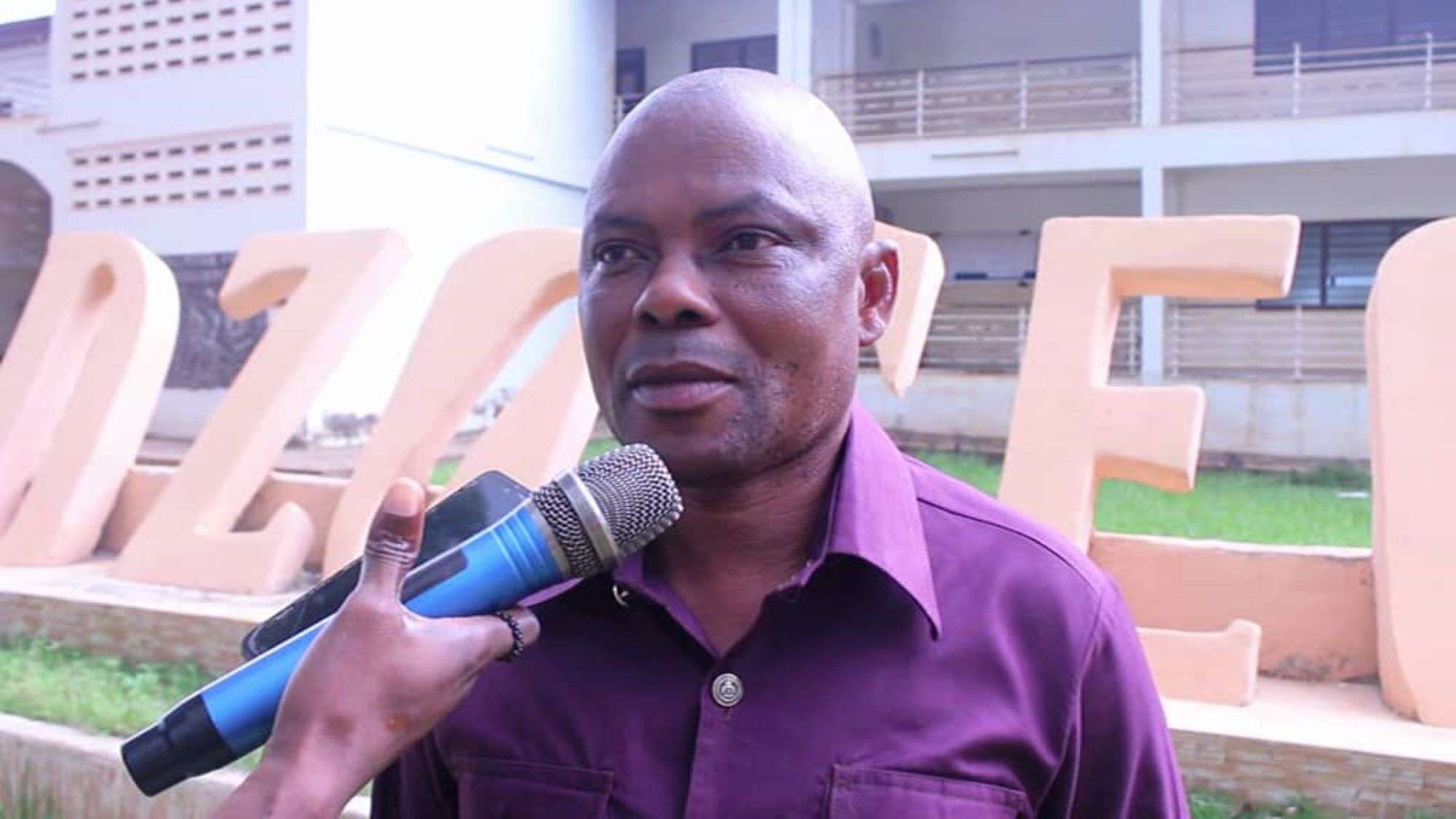
A Fellow at the Centre for Democratic Development, Dr John Osae-Kwapong, also praised the move, describing it as a positive step toward strengthening party unity and improving policy coherence within the opposition party.
Speaking on Joy FM’s Top Story programme, Dr Osae-Kwapong argued that modern democratic contests increasingly require political parties to present workable policy alternatives rather than relying solely on rhetoric and campaign slogans.
According to him, the establishment of specialised policy committees could help the NPP develop more comprehensive and technically grounded proposals to address Ghana’s mounting economic and governance challenges.
“And so to get or to arrive at a place where you can put together a coherent public policy that addresses all the different challenges that the country faces or will face at some point, for me, decentralising that work and having groups that may focus on particular policy sectors to coordinate ideas across the party… is a step in the right direction,” he stated.
Dr Osae-Kwapong further noted that the inclusion of key party figures with varying ambitions demonstrates growing political maturity within the NPP and signals a commitment to unity after what was widely viewed as a competitive internal presidential race.
“Their participation and co-chairing these committees is a step in the right direction. I believe that it signals unity, it signals a common sense of purpose, and it signals the fact that individuals, regardless of their ambitions at some point, can suspend those ambitions and put the interest of the party first,” he added.
The governance expert also stressed that internal cohesion would be critical for any political party seeking to mount a serious challenge in future elections, especially at a time when Ghanaians are demanding concrete solutions to unemployment, economic hardship, public sector inefficiencies and governance concerns.
The NPP’s latest policy reorganisation effort also appears consistent with Dr Bawumia’s recent directive to Minority MPs and party structures to intensify stakeholder engagements across various sectors of the economy in order to gather policy feedback and deepen the party’s advocacy in Parliament.
In recent weeks, several Minority MPs have engaged trader associations, farmers, manufacturers and professional groups as part of what party officials describe as a broader strategy to reconnect with citizens and shape alternative policy proposals.