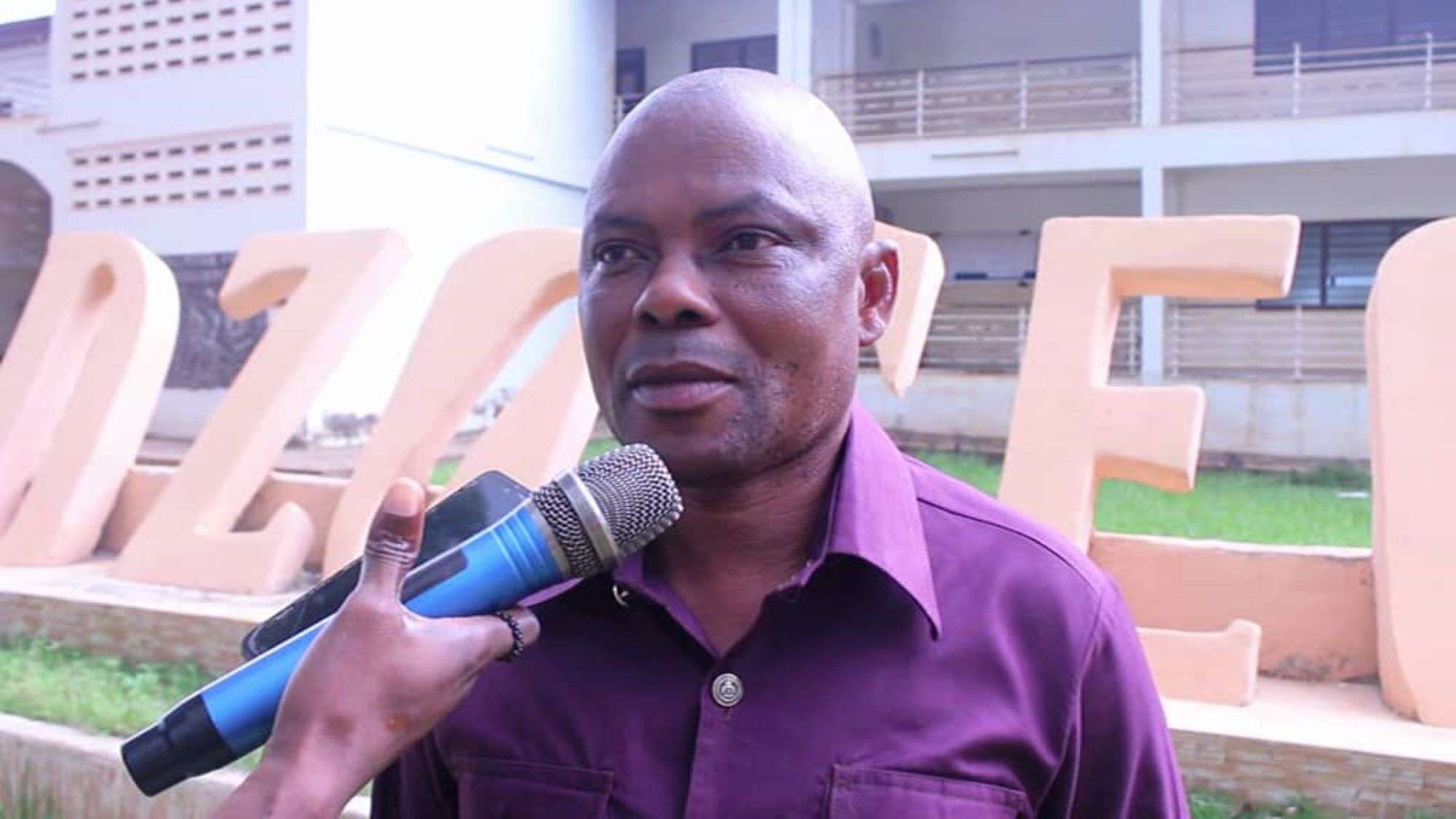

Renowned economist and former MP, Dr Mark Assibey-Yeboah, delivered a powerful public lecture, urging Ghanaian leaders and citizens to recommit to selfless service, integrity, and accountability in public life.
Speaking at the University of Education, Winneba, under the theme “Selfless Leadership and Public Service: Building Integrity, Trust and Accountability,” Dr Assibey-Yeboah said the lecture was held in honour of Effutu’s own son, Hon. Alexander Kwamena Afenyo-Markin, the current Minority Leader of Parliament.
The lecture, organised by the Effutu Traditional Council in collaboration with Christian and Muslim communities, drew traditional rulers, clergy, parliamentarians, faculty, and students.
Dr Assibey-Yeboah warned that many citizens across Africa are becoming disillusioned with political leadership due to perceived self-interest and lack of accountability. He stressed that trust remains the most important currency of governance.
“Leadership is not about occupying office; it is about stewardship,” he declared. “True leadership demands restraint in moments of power, courage in moments of difficulty, humility in success, and integrity in temptation.”
He praised Hon. Afenyo-Markin’s journey from humble beginnings — selling bread as a child to support his family — through education and private enterprise, to becoming one of Ghana’s key parliamentary leaders. The lecture highlighted Afenyo-Markin’s advocacy for transparency in national resource deals, institutional strengthening, and effective parliamentary oversight.
The event also celebrated the rich cultural heritage of Effutu, particularly the Aboakyer Festival, with Dr Assibey-Yeboah quoting Osahen Afenyo-Markin:
“Culture gives aspiration while history gives inspiration.”
In his closing message to the youth, Dr Assibey-Yeboah challenged young Ghanaians to prioritise character and service over popularity and material success.
“Society does not become better simply because educated people exist. Society becomes better when educated people develop character, discipline, integrity, and commitment to service.”
The lecture concluded with a strong call for unity, ethical governance, and the building of institutions that outlast individuals.