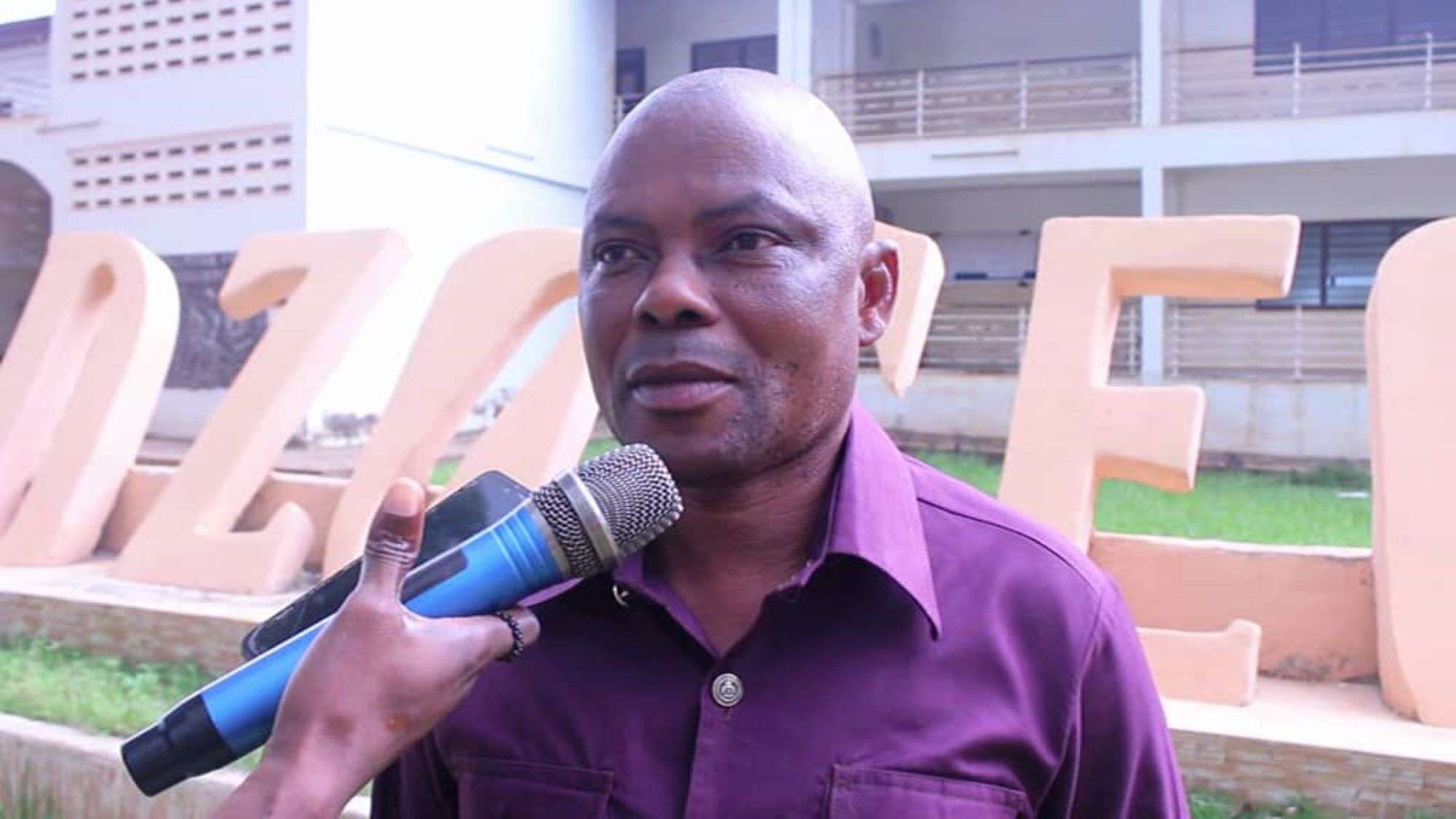

Dr Joshua Zaato, Senior Fellow at Africa Policy Lens (APL), has strongly criticised the removal of former Chief Justice Gertrude Araba Esaaba Sackey Torkornoo, describing the decision as a direct threat to Ghana’s democratic governance and judicial independence.
Dr Zaato argued that the removal of a sitting Chief Justice could expose the office to political and partisan interference in the future, undermining the institutional safeguards that protect the judiciary from executive overreach.
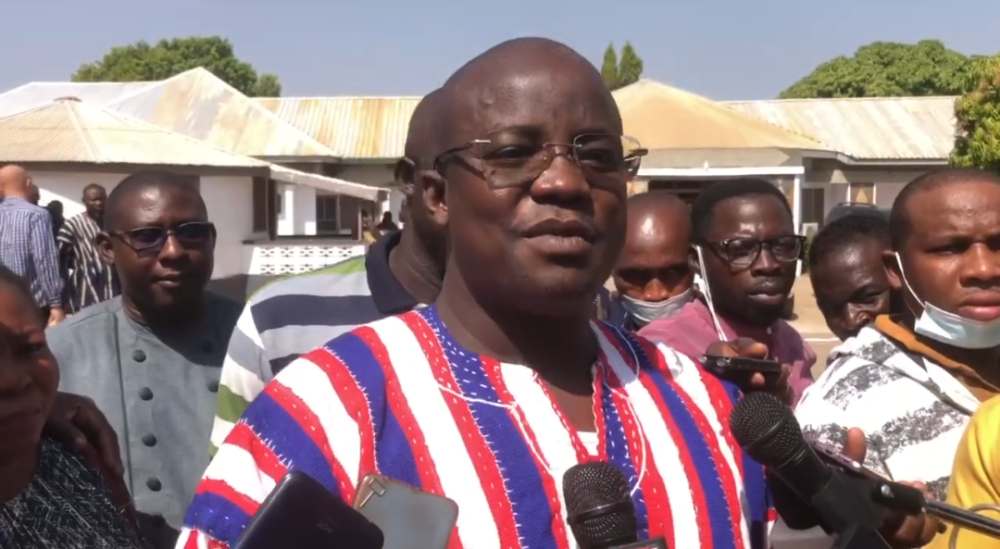
His comments come in the wake of the New Patriotic Party’s (NPP) “Democracy Under Attack” demonstration held on Thursday, August 6, 2026, which the party organised to defend the rule of law, constitutional governance, and democratic accountability.
The demonstration formed part of the NPP’s broader campaign against what it describes as political persecution, selective justice and the abuse of state institutions under the current administration. The party has repeatedly linked the removal of the former Chief Justice to a wider pattern of actions it claims are eroding constitutional checks and balances.
Speaking in an interview on Channel One TV on Saturday, August 8, 2026, Dr Zaato described the removal as a serious blow to Ghana’s democracy.
He emphasised that the judiciary serves as a critical pillar of the country’s constitutional order and that any action which weakens its independence carries long-term consequences for democratic stability.
“The day the country removed a sitting Chief Justice was a day we put a dagger through the heart of democracy. That singular act threatened our democracy,” he said.
Dr Zaato further warned that the precedent set by the removal could open the door to future political interference in the judiciary.
He stressed that once the principle of judicial independence is compromised, it becomes difficult to restore public confidence in the impartiality of the courts.
“It opened up that noble office to massive political and partisan interference in the future. What it means is that you have opened Pandora’s box,” Dr Zaato added.
His remarks add an independent scholarly voice to the ongoing national debate surrounding the state of Ghana’s democratic institutions. While the government has defended its actions within the framework of constitutional processes, critics, including the NPP and some civil society actors, maintain that the removal has damaged the perception of judicial autonomy.
Dr Zaato’s intervention highlights broader concerns about the separation of powers and the need to protect key democratic institutions from politicisation. As discussions continue, his warning that the decision may have lasting implications for the integrity of the judiciary is likely to fuel further public and political scrutiny.
Torkornoo dismissed
Torkornoo, who was appointed as Chief Justice in 2023, was dismissed after a five-member committee, established as Article 146 requires, chaired by Justice Gabriel Scott Pwamang, found prima facie evidence against her.
The committee found her guilty of financial misconduct after it emerged that she had charged the Judicial Service for private trips in 2023, including a trip to Tanzania with her husband and another to the United States with her daughter.
Under Article 146 of the 1992 Constitution, the removal of a Chief Justice is one of the most solemn and consequential procedures imaginable. It begins with petitions submitted to the President. In this case, three petitions were lodged.
The President, by law, was required to determine whether they disclosed a prima facie case.
The report flagged the payment of per diem allowances to family members as “a reckless dissipation of public funds” and “unjustifiable” in law or policy.
The decision has sparked heated debate within the legal community, with some arguing that due process was not fully observed in her removal.