
Ghana loses an estimated $6.56 billion in potential mining revenue every year because of the government’s limited participation in mineral extraction, the Institute for Fiscal Studies (IFS) has revealed.
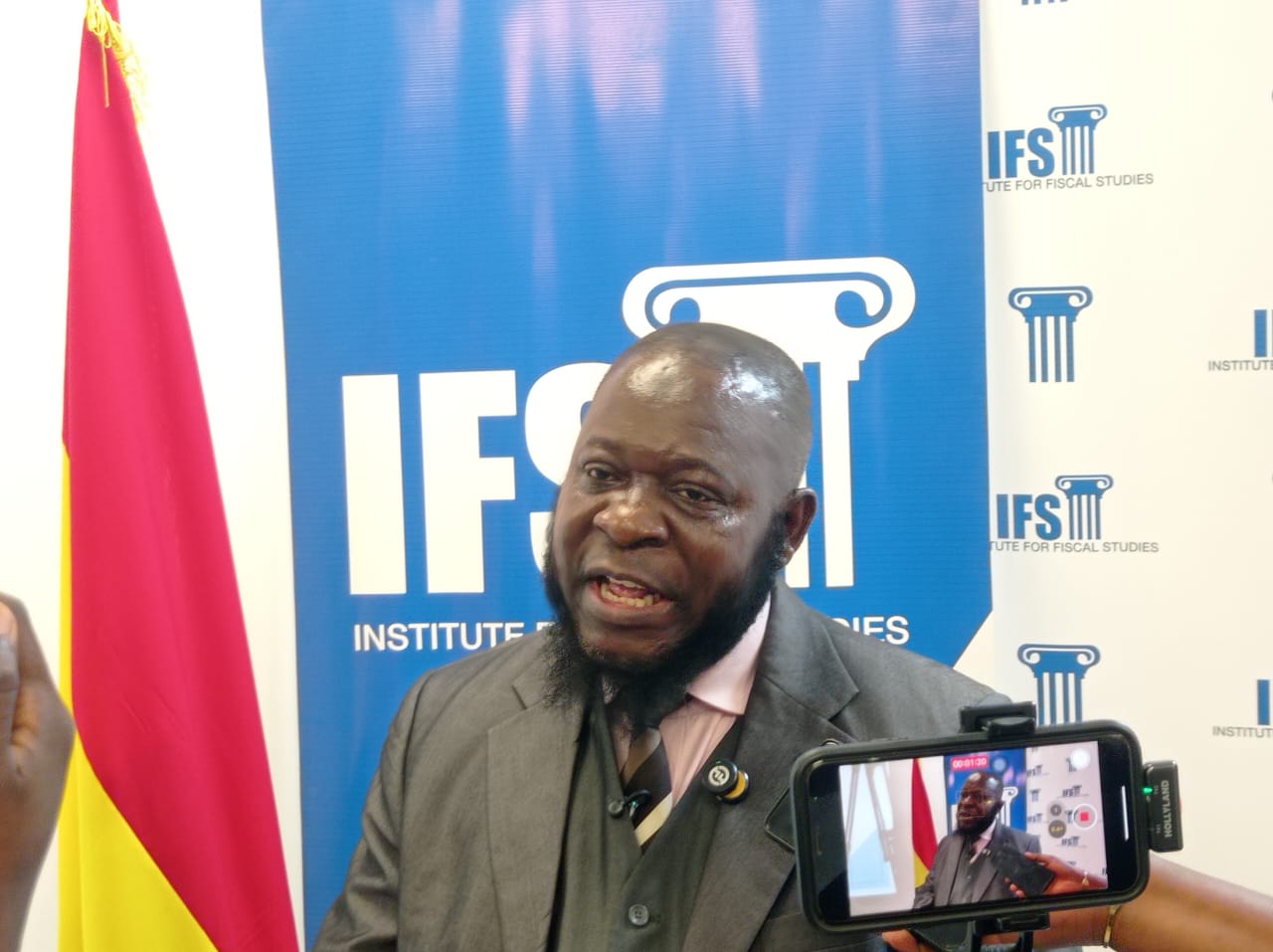
The institute explained that the country could have generated that additional sum from mining in 2025 if its revenue performance in the sector had matched Botswana’s. The Executive Director of the IFS, Dr Said Boakye, disclosed at a policy briefing on low government revenue mobilisation in Accra.
He said the shortfall reflected Ghana’s inability to maximise returns from its considerable mineral resources and urged the authorities to use the upcoming 2027 Budget to close the leakage.
Dr Boakye identified several revenue leakages that continue to undermine domestic mobilisation. These include tax evasion, underreporting, tax avoidance and collusion involving revenue administrators.
He cited revelations by the Commissioner-General of the Ghana Revenue Authority, Anthony Sarpong, in April 2026 that the country had lost more than GH¢11 billion in revenue at its ports through incorrect declarations involving the country of origin, classification and valuation of imported goods.
The low level of government revenue mobilisation, he added, has constrained the country’s ability to finance development. Ghana’s total revenue and grants-to-GDP ratio stood at 15.7 per cent in 2022, against an average of 20.1 per cent for the 25 sub-Saharan African countries examined in the IFS report.
The institute estimated that Ghana would have collected GH¢288.26 billion in total revenue and grants in 2025 if its revenue-to-GDP ratio had matched the sub-Saharan African average, compared with the actual collection of GH¢224.88 billion.
That performance placed Ghana 18th among the 25 countries, highlighting the country’s relatively weak standing against its regional peers.
Comparing Ghana’s system with Botswana’s, Dr Boakye noted that the southern African country generated $13.4 billion in value added from mining in 2025, while Ghana’s revenue from the sector amounted to only $1.6 billion, representing 11.9 per cent of the sector’s value. Had Ghana generated mining revenue at Botswana’s average rate of 60.9 per cent, the government would have earned $8.16 billion instead of the $1.6 billion collected.
Dr Boakye attributed Botswana’s stronger performance to the government’s active involvement in the mining sector through partnerships with private companies. Such arrangements, he explained, enable Botswana to benefit from corporate income taxes, dividends and royalties while gaining better insight into the operations and profitability of mining companies.
“The government of Botswana does not only earn large corporate income tax revenue from mining because it has an insider knowledge of mining operations and profitability, it earns even larger revenue from dividend payments and royalties,” he said.
He contrasted this with Ghana’s concession-based system, under which private companies largely undertake mineral extraction, leaving the government with limited access to information about their operations and profitability.
The revenue shortfall, Dr Boakye warned, carries serious implications for public investment and the country’s debt situation.
“The low government revenue mobilisation usually leads to shortage of money to fund the government’s developmental projects, making it resort to borrowing. This has led to frequent large debt build-ups, high debt service costs, and fiscal or debt crisis,” he stated.
Excessive tax exemptions granted to businesses were identified as another factor contributing to Ghana’s weak revenue performance. The report cited incentives under the Free Zones regime and the automotive industry development policy, which offer businesses tax holidays, import duty exemptions and other fiscal concessions.
Dr Boakye noted that the Ghana Investment Promotion Centre’s incentives inventory lists 31 income tax, customs and financial incentive packages available to businesses across various sectors.
To address the challenges, Dr Boakye recommended greater government participation in the extractive sector through direct investment and partnerships with private companies.
He also proposed production-sharing agreements as an alternative to the existing concession arrangements, arguing that such agreements would provide the government with better returns from the exploitation of the country’s natural resources.
He further called for an intensified fight against corruption within tax and non-tax revenue collection agencies, alongside a thorough review of existing tax incentive packages.
Dr Boakye urged the government to discontinue exemptions that do not make economic sense relative to the revenue being forfeited, and to rely more on improvements in the macroeconomic and political environment to attract investment.
The findings underscore a structural gap in Ghana’s approach to natural resource governance. While the country possesses significant mineral wealth, the current policy framework has limited the state’s ability to capture a fair share of the value created.
Botswana’s experience demonstrates that active state participation, combined with transparent partnerships, can translate mineral resources into substantially higher public revenues without necessarily deterring private investment.
By contrast, Ghana’s heavy reliance on concession agreements has left the state in a comparatively weak informational and fiscal position. The result is a persistent shortfall that constrains fiscal space, elevates borrowing needs and increases vulnerability to debt distress.
Closing this gap will require deliberate policy choices in the 2027 Budget and beyond, including a re-examination of the balance between private-sector-led extraction and strategic state involvement.
Strengthening revenue administration, reducing opportunities for collusion and underreporting, and rationalising tax incentives that deliver limited economic returns are complementary measures that can reinforce the gains from deeper participation in the extractive sector.
Without such reforms, Ghana risks continuing to forgo billions of dollars annually that could otherwise support critical public investments and reduce the burden of public debt.