
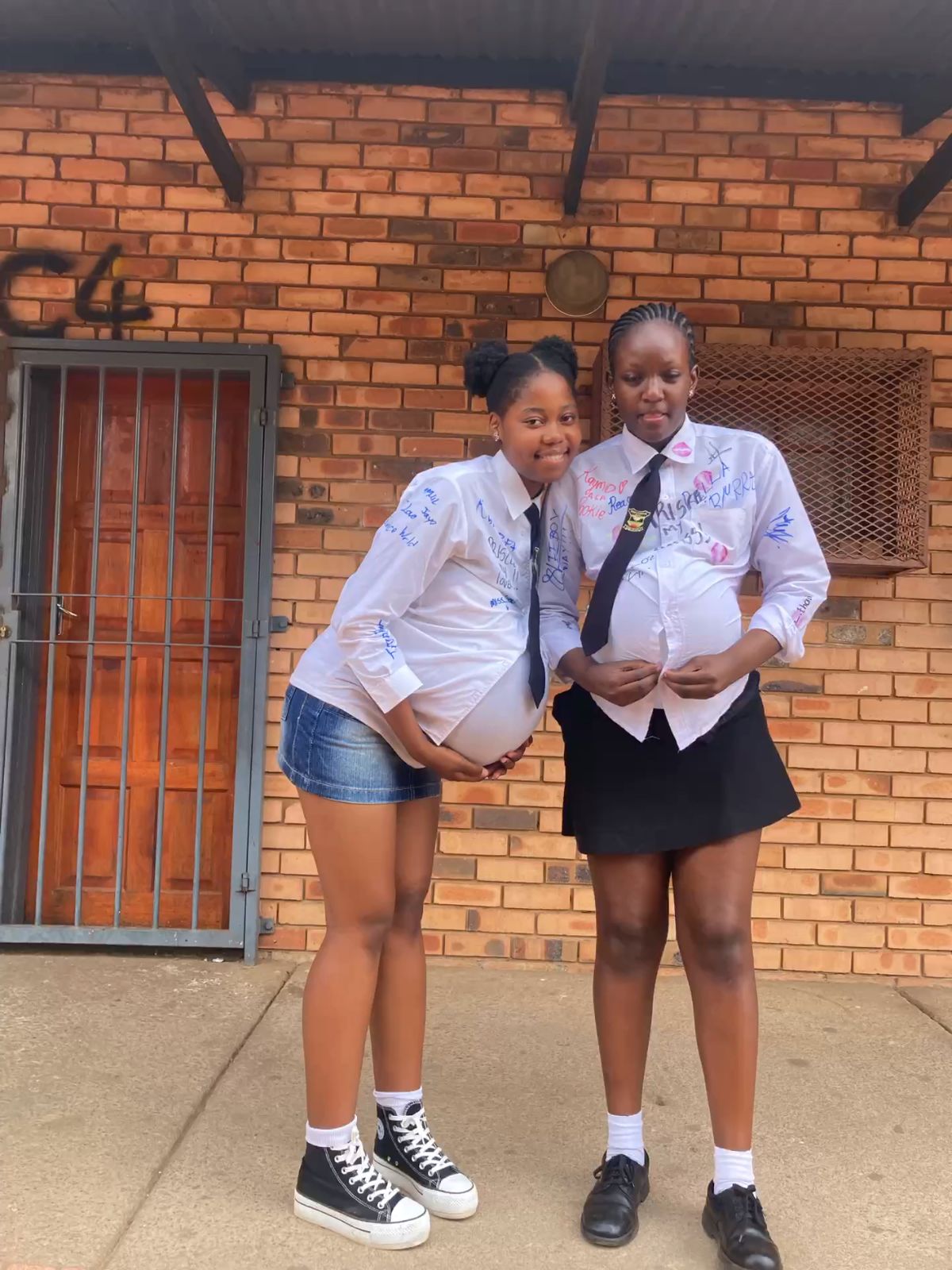
The Ghana Health Service (GHS) has recorded 53,415 adolescent pregnancies between January and July 2026, raising concerns about the effects of teenage pregnancy on girls’ education, mental health and future career prospects.
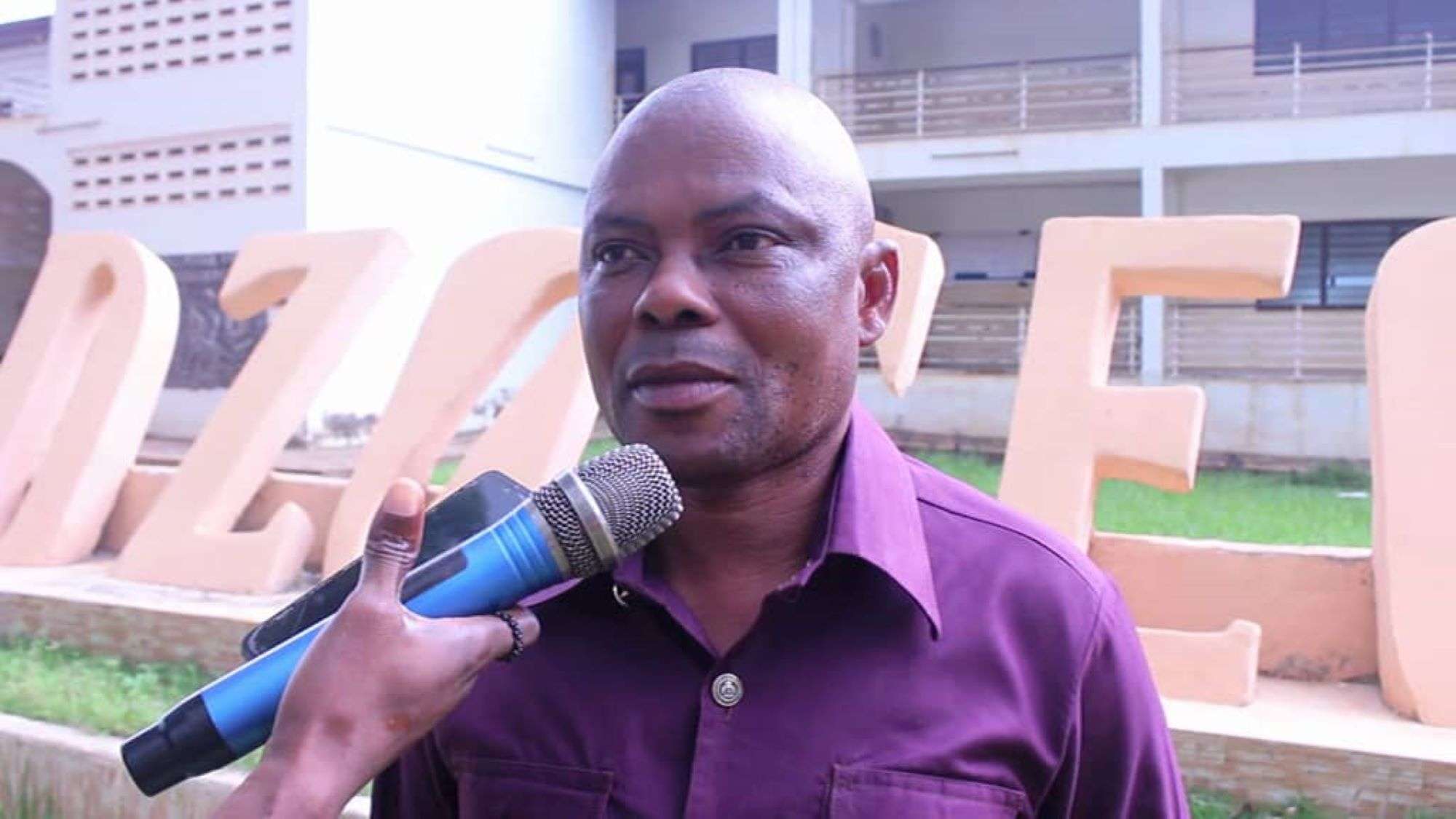
A counselling psychologist and member of the CAMFED Association, Perpetual Opata, disclosed this at the 2026 International Day of the Girl Child celebration held at the Madina Technical Institute in Accra.
The event was organised on the theme, “Skills Over Early Marriage: Unlocking Girls’ Potential Through TVET.”
Ms Opata said the figures represented adolescents who reported to health facilities, warning that the actual number could be higher because some girls might not have sought medical attention.
She identified the Savannah Region as having the highest proportion of adolescent pregnancies at 25.9 per cent, while Greater Accra recorded the lowest at six per cent.
Speaking on the consequences of teenage pregnancy, she said affected girls could experience emotional distress, fear, shame and social isolation, with some facing severe mental health challenges.
She added that teenage pregnancy could derail girls’ educational and career ambitions, as many struggled to return to school after childbirth due to childcare responsibilities, financial constraints and social stigma.
Skills as an alternative to early marriage
The Director-General of the Ghana TVET Service, Dr Eric Kofi Adzore, called for increased support for girls to acquire technical and vocational skills to promote financial independence and help address child marriage.
He noted that poverty, limited educational opportunities and harmful social expectations continued to expose girls to early marriage and interrupt their education.
Dr Adzore urged parents, traditional authorities and religious leaders to challenge cultural and social practices that encouraged child marriage.
He also called on schools to provide safe, inclusive and supportive learning environments for girls.
Call for safer training institutions
The Special Guest of Honour and Programme Component Head at GIZ, Patricia Bossoh, called for stronger measures to protect girls in technical and vocational institutions from abuse, harassment and discrimination.
She said safe learning environments were critical to ensuring that girls completed their education, acquired relevant skills and pursued careers of their choice.
Referring to allegations involving the headmaster of Obuasi Senior High Technical School, Ms Bossoh said the matter underscored the need for effective safeguarding systems in educational institutions.
She stressed that the allegations should be addressed through due process.
“A girl should never have to choose between her education and her safety,” she said.
She urged parents, education authorities and employers to ensure that girls had equal opportunities to develop their skills and secure employment.
Prioritise skills training
The Principal of the Madina Technical Institute, Vivian Azumah, urged parents and guardians to support girls to complete their technical and vocational education before considering marriage.
She said early marriage could deprive girls of opportunities to acquire employable skills and contribute meaningfully to national development.