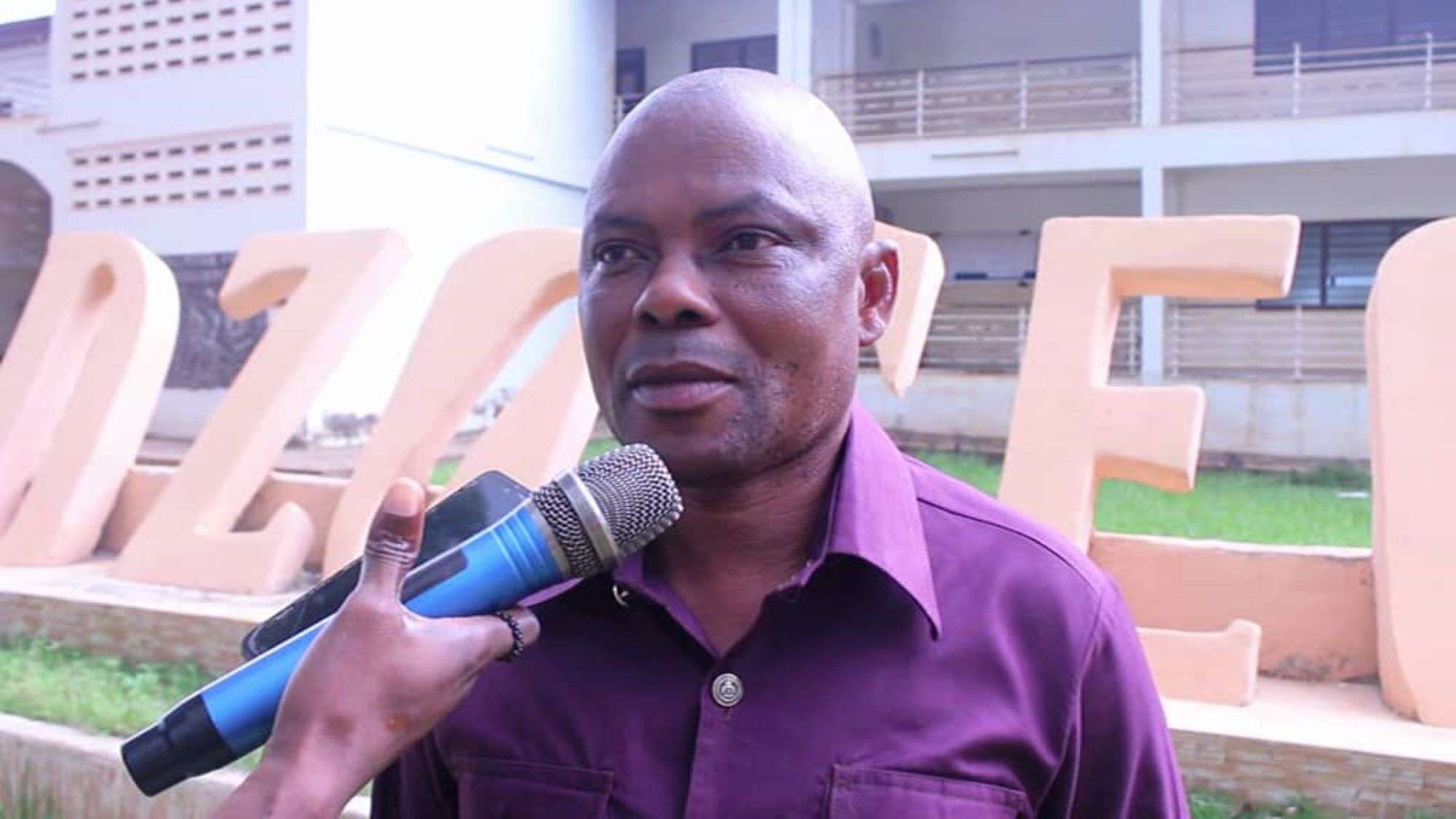


Veteran Ghanaian highlife musician Amandzeba Nat Brew has raised concerns about what he describes as the increasing commercialisation of Ghana’s music industry, warning that music is gradually being treated like “fast food” rather than a carefully developed cultural and artistic product.
Speaking on Channel One TV on Sunday, May 31, 2026, the renowned “Wongbe Dze Ke” hitmaker said the current industry environment is pushing musicians to prioritise speed and profit over creativity, depth, and long-term value.
According to him, this shift is affecting the overall quality and sustainability of Ghanaian music.
He explained that many artists are now working under pressure to produce and release songs quickly, often with little time for proper refinement or artistic development. This, he noted, has led to a growing trend where music is consumed rapidly but forgotten just as quickly.
“They don’t have enough space. You see, everybody’s quickly wanting to put something together and then get a profit from it,” he said.
Amandzeba used a striking metaphor to describe the situation, comparing modern music consumption to fast food—convenient and immediately satisfying, but lacking lasting impact or depth. He suggested that this approach undermines the cultural and artistic value that music is supposed to carry.
“This is what they are reducing music to. It’s like fast food. Popcorn music, I mean, it comes, and fragrance is gone,” he added.
With a career spanning more than three decades, Amandzeba is widely regarded as one of the influential voices in Ghanaian highlife and contemporary African music.
His comments reflect long-standing concerns among veteran musicians who believe that the industry is shifting away from its traditional role of storytelling, cultural preservation, and artistic expression.
However, he was careful to emphasise that the issue should not be blamed solely on musicians. In his view, the structure of media promotion and broadcasting plays a significant role in shaping how music is created, packaged, and consumed by the public.
“It is not the doing of the artist, though. It is the presentation that you can have on our TVs and our radios,” he said.
According to him, media platforms often prioritise trends, short-term popularity, and commercial appeal over meaningful artistic content. This, he argued, influences both emerging and established musicians to tailor their work toward what is more likely to gain quick attention rather than what may have lasting artistic value.
Beyond concerns about artistic quality, Amandzeba also raised an important issue regarding the use of foreign music in local advertising and media productions. He warned that the frequent use of international soundtracks, particularly from Europe and the United States, could have long-term economic consequences for Ghana.
He explained that while such choices may appear modern or appealing in the short term, they often come with hidden costs in the form of royalty payments and intellectual property obligations.
“If I come onto your program and you are advertising a product and the soundtrack is from Europe or America, you might think you are cool today, but I’m telling you, when your economy starts balancing, they will descend on us because you are using Michael Jackson, you are using, you are using, they come for their royalties. You think you can pay?” he said.
His comments highlight a growing concern among creatives and cultural advocates about the importance of promoting local content and respecting intellectual property rights.
According to him, failure to prioritise local music not only weakens the creative industry but also exposes businesses and media organisations to financial and legal risks in the future.
Amandzeba also challenged what he sees as a casual attitude toward intellectual property in Ghana’s creative space. He stressed that artistic works should be treated with respect and not handled as though they are disposable or insignificant.
“I have spoken with people who really matter in our space, and you tell them, so you want to tell me that intellectual property can be used like tissue paper? Yeah. Somebody’s intellectual property,” he stated.
His remarks add to ongoing discussions about how Ghana can strengthen its creative economy through better regulation, education on copyright laws, and increased support for local artists.
Industry stakeholders have often called for improved enforcement of intellectual property rights to ensure that creators receive fair compensation for their work.
Overall, Amandzeba Nat Brew’s comments reflect broader tensions in Ghana’s evolving music landscape—between tradition and commercialisation, creativity and profit, as well as local identity and global influence. While acknowledging the changing dynamics of the industry, he is urging a return to deeper artistic values and stronger respect for intellectual property.
His message ultimately serves as both a warning and a call to action: without deliberate efforts to protect and nurture the creative arts, Ghana risks losing not only the quality of its music but also the economic and cultural value that comes with it.