
The National House of Chiefs has expressed concern over what it describes as inadequate sitting allowances and insufficient logistical support needed to effectively carry out its mandate.
According to the House, current working conditions are increasingly hindering its administrative and consultative responsibilities. Members say the allowances provided for sittings are inadequate to meet the demands of their engagements, particularly given the frequency and significance of their meetings.
Beyond financial concerns, the House also highlighted challenges with logistics, including transportation, office infrastructure, and other operational resources.
These limitations, they argue, are affecting coordination and reducing the efficiency of their work in supporting governance and traditional leadership systems.
The leadership of the House is therefore calling for urgent government intervention to address these challenges. They maintain that improved remuneration and logistical support would enhance their capacity to contribute meaningfully to national development, conflict resolution, and the preservation of cultural heritage.
They stressed that traditional authorities continue to play a vital role in community governance and national cohesion and therefore require adequate support to function effectively.
The concerns were raised when the Parliamentary Select Committee on Chieftaincy, Culture and Religious Affairs paid a courtesy call on the House in Kumasi.
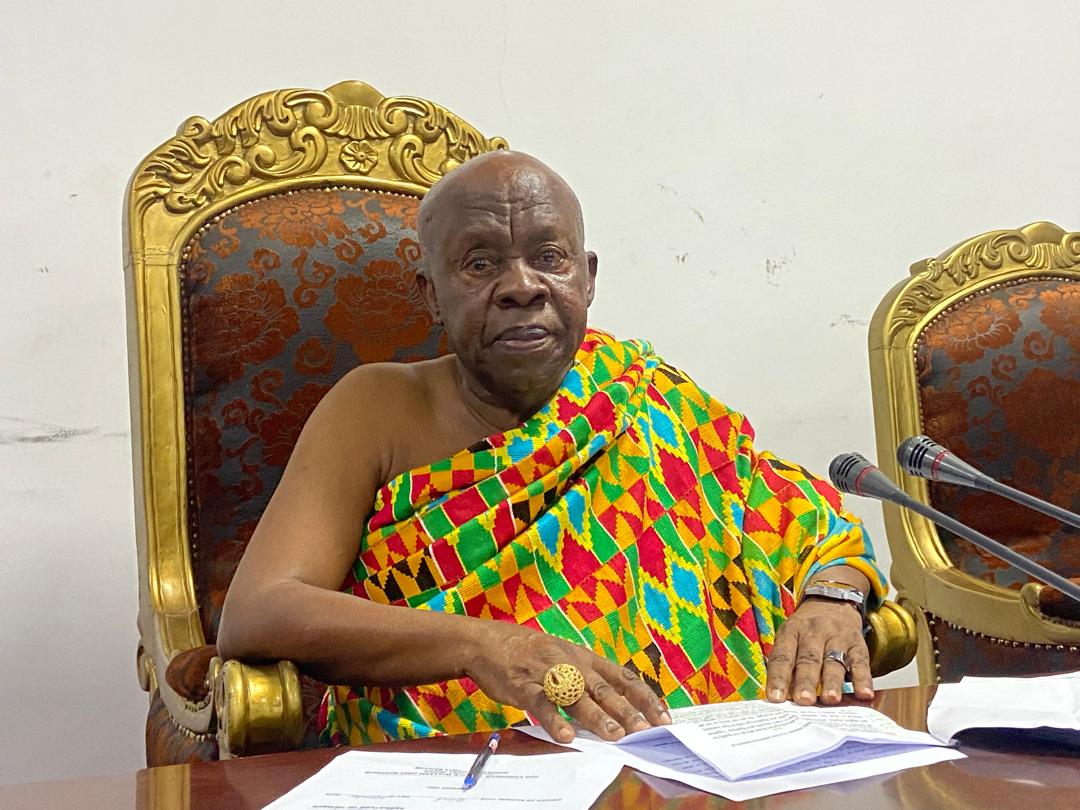
Speaking on the challenges, the President of the National House of Chiefs and Paramount Chief of the Sefwi Anwiaso Traditional Area, Ogyeahoho Yaw Gyebi II, noted that official vehicles are expected to be replaced every four years, but the last replacement was in 2019.
He further indicated that the newly created six regions lack accommodation facilities for the House, while the GH¢400 quarterly logistics allocation and GH¢3,000 monthly allowance are not paid consistently.
The Member of Parliament for Ablekuma Central, Dan Abdul-Latif, who acted as the Ranking Member of the Committee, suggested that the National House of Chiefs should present strong proposals to Parliament to maintain its independence as enshrined in the Constitution, rather than relying on ministries for allocations.