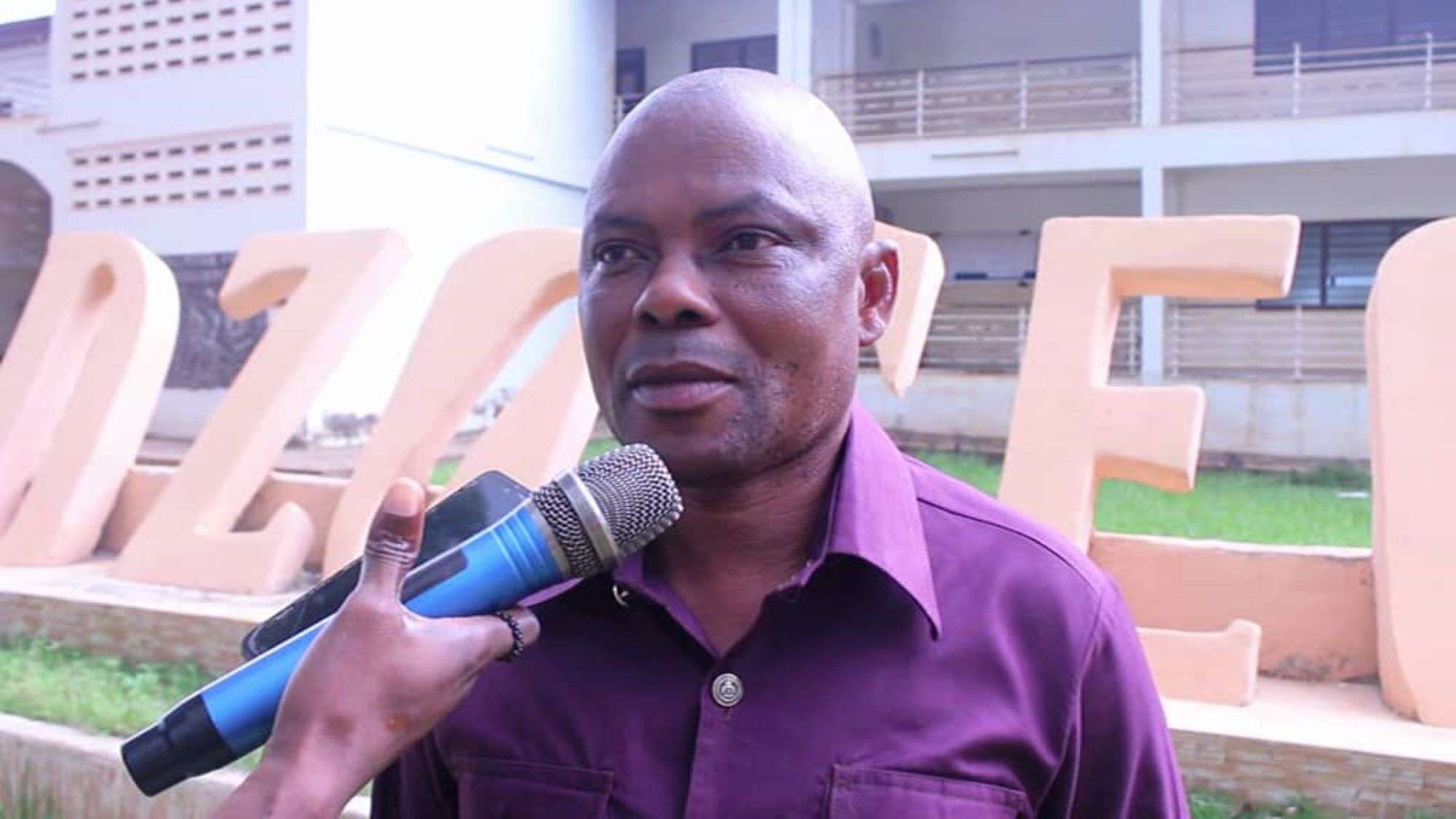


Former Finance Minister Dr Mohammed Amin Adam has called for the removal of the Governor of the Bank of Ghana (BoG), Dr Johnson Asiama, from the Board of the Ghana Gold Board (GoldBod).
He cited serious concerns over the central bank’s financial relationship with the gold-buying institution and the potential conflicts this dual role creates.
Speaking at a press briefing on Tuesday, September 1, 2026, Amin Adam questioned the appropriateness of the BoG Governor serving on the GoldBod Board at a time when the central bank was also financing the institution’s operations.
He argued that the arrangement raises fundamental questions about the independence of the Bank of Ghana, particularly given the enormous scale of transactions between the two bodies.
“If a so-called independent institution and a government institution are to go into a deal amounting to GH¢133 billion, where is the agreement that defines that relationship? What are the terms?” he asked.
Dr Amin Adam further questioned whether the BoG was fully aware that the transactions could result in losses, given its knowledge of the purchase and selling prices involved in GoldBod’s operations.
He stressed that such knowledge places the central bank in a compromised position when its own Governor sits on the board of the entity receiving the funding.
Against this backdrop, he called for the BoG Governor to be removed from the GoldBod Board to avoid potential conflicts of interest and to safeguard the integrity of the central bank’s decision-making processes.
“We are asking for the removal of the Governor of the Bank of Ghana from the Board of GoldBod because his institution has been funding GoldBod and he has been sitting on the board while GoldBod operations create losses for this country,” he said.
Beyond the call for removal, Dr Amin Adam also demanded the immediate publication of key documents that would bring greater transparency to GoldBod’s operations and finances.
These include the legislative instrument authorising GoldBod’s fees and restated 2025 accounts that exclude the GH¢4.54 billion government capital injection from revenue. He argued that only with these documents made public can the true financial position of the institution be properly assessed.
He further backed calls for a full parliamentary inquiry into the reported losses. Amin Adam pointed to troubling discrepancies in the figures that have so far been made available: a GH¢22 billion loss reported to the International Monetary Fund, a GH¢9.05 billion loss reported by the Bank of Ghana, and a GH¢5.45 billion surplus reported by GoldBod itself.
These inconsistencies, he maintained, demand thorough examination by Parliament to establish the facts and determine accountability.
The former Finance Minister’s intervention adds to growing public and political scrutiny of GoldBod’s financial performance and its relationship with the Bank of Ghana. By highlighting both the structural conflict of interest and the conflicting loss figures, Amin Adam has framed the issue as one that goes beyond administrative convenience to questions of institutional independence, fiscal responsibility, and public accountability.
His demand for the Governor’s removal from the GoldBod Board, coupled with calls for document disclosure and a parliamentary probe, sets out a clear agenda for resolving the concerns he raised at the September 1 briefing.