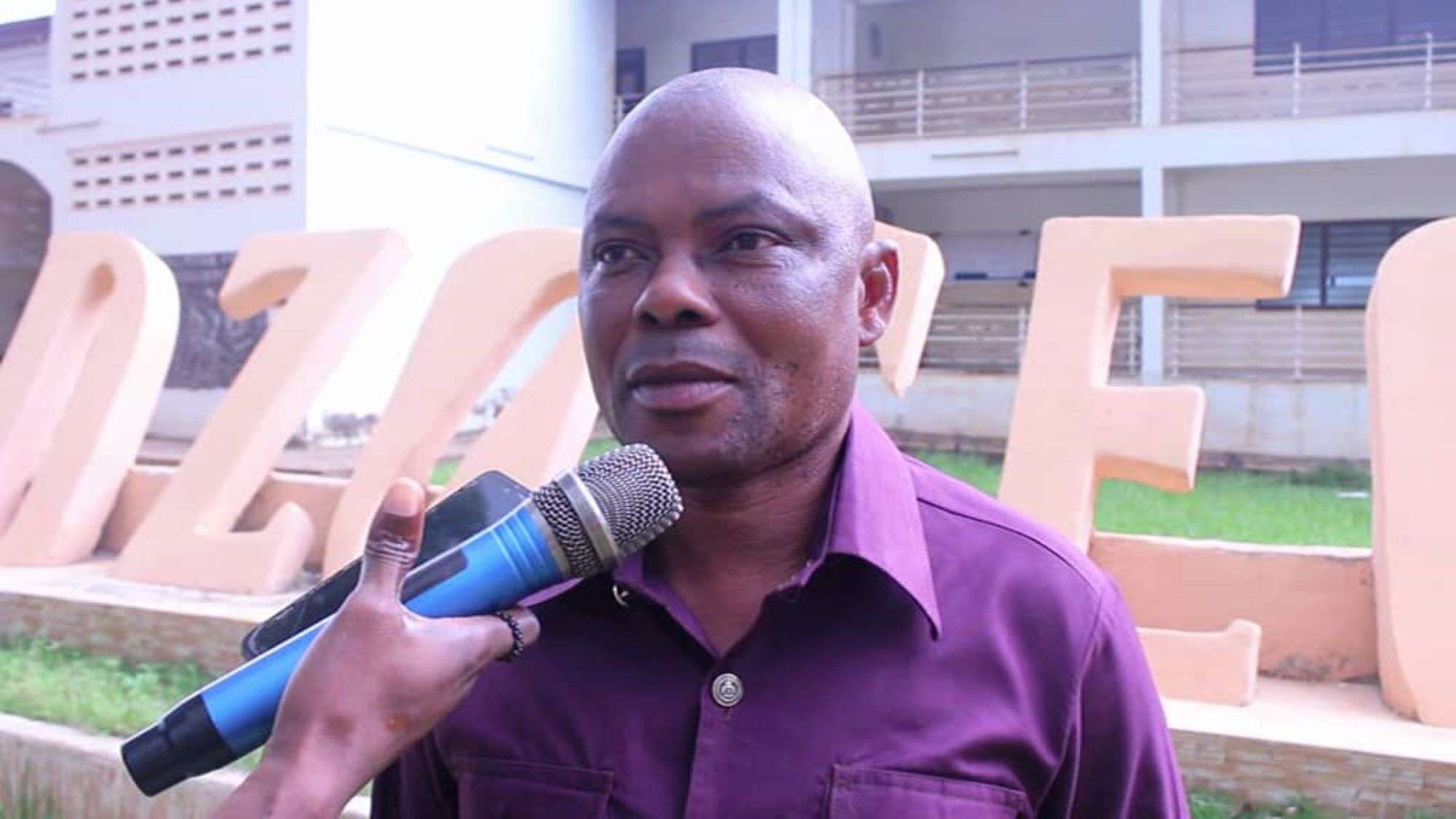


The Member of Parliament for Daffiama/Bussie/Issa, Dr. Sebastian N. Sandaare, has raised alarm over the rising prevalence of HIV among Ghana’s youth, describing it as a serious public health and national development challenge that requires urgent and coordinated action.
Delivering a statement in Parliament, Dr. Sandaare said the country’s future depends on the health and productivity of its young people, warning that increasing HIV infections among the youth could undermine Ghana’s socio-economic progress if immediate interventions are not implemented.
According to the MP, concerns over the issue were heightened following a recent disclosure by the Minister for the Interior that 1,300 applicants who participated in the latest security services recruitment exercise tested positive for HIV during mandatory medical examinations.
He said the revelation reflects the broader national situation captured in the Ghana AIDS Commission’s 2024 National HIV Estimates, which indicate that 334,721 people are currently living with HIV in Ghana.
The report further shows that 37,283 young people aged between 15 and 24 years are living with the virus. In 2024 alone, the country recorded 15,290 new HIV infections, averaging 42 new infections every day. Of these, 4,732 cases occurred among people within the 15 to 24-year age bracket, making them the most affected age group.
Dr. Sandaare also highlighted the disproportionate impact of HIV on women and girls, noting that nearly 69 percent of all people living with HIV in Ghana are women, while women account for approximately 67 percent of all new infections.
He cautioned that the trend poses significant risks to gender equality, maternal health and the country’s long-term economic development.
The MP cited findings from the 2022 Ghana Demographic and Health Survey (DHS), which reveal low levels of HIV awareness among young people. According to the survey, only 36 percent of young women and 37 percent of young men aged between 15 and 24 possess comprehensive knowledge about HIV prevention.
Condom use also remains low among sexually active young people. The survey found that only 14 percent of young women who had sexual intercourse with a non-marital partner used a condom during their last sexual encounter, compared to 28 percent of young men.
Dr. Sandaare attributed the growing number of infections partly to the decline in sustained HIV education and awareness campaigns over the past decade.
He added that poverty, unemployment, substance abuse, early sexual activity, multiple sexual partners and limited access to youth-friendly health services continue to increase the vulnerability of young people.
Beyond its health implications, the MP stressed that HIV poses a significant threat to Ghana’s development agenda by reducing workforce productivity, increasing healthcare costs and slowing economic growth.
He disclosed that 12,614 AIDS-related deaths were recorded in Ghana in 2024, including about 840 young people aged between 15 and 24 years.
According to him, the epidemic also places enormous pressure on the healthcare system through the cost of testing, treatment and long-term care, while contributing to school absenteeism, stigma and dropout among affected young people.
He warned that the situation could undermine Ghana’s efforts to achieve the Sustainable Development Goals (SDGs), particularly Goal 3 on Good Health and Well-being and Goal 8 on Decent Work and Economic Growth.
While commending the government, the Ghana AIDS Commission, the Ministry of Health, the Ghana Health Service and development partners for expanding access to HIV treatment and prevention services, Dr. Sandaare said more must be done to reverse the current trend.
He called on the government to operationalise the National HIV and AIDS Fund, established under Act 938 of 2016, to provide sustainable financing for Ghana’s HIV response.
The MP also urged authorities and stakeholders to intensify nationwide HIV education and prevention campaigns in schools, tertiary institutions and communities using both traditional and digital media.
Additionally, he advocated increased funding for HIV prevention programmes and stronger collaboration with religious bodies, traditional authorities, civil society organisations and youth groups to combat stigma and misinformation.
He further recommended that Parliament’s Health Committee engage the Ministry of Health and the Ghana AIDS Commission to evaluate the effectiveness of existing interventions and ensure Ghana remains on track to eliminate HIV as a public health threat by 2030.
Dr. Sandaare concluded by urging the nation to view the recent security recruitment statistics as a wake-up call rather than an isolated recruitment concern.
He emphasised that every HIV infection prevented preserves the future of a teacher, doctor, engineer, entrepreneur, farmer, security officer or public servant, adding that investing in prevention, education, early testing and treatment is ultimately an investment in a healthier, more productive and prosperous Ghana.