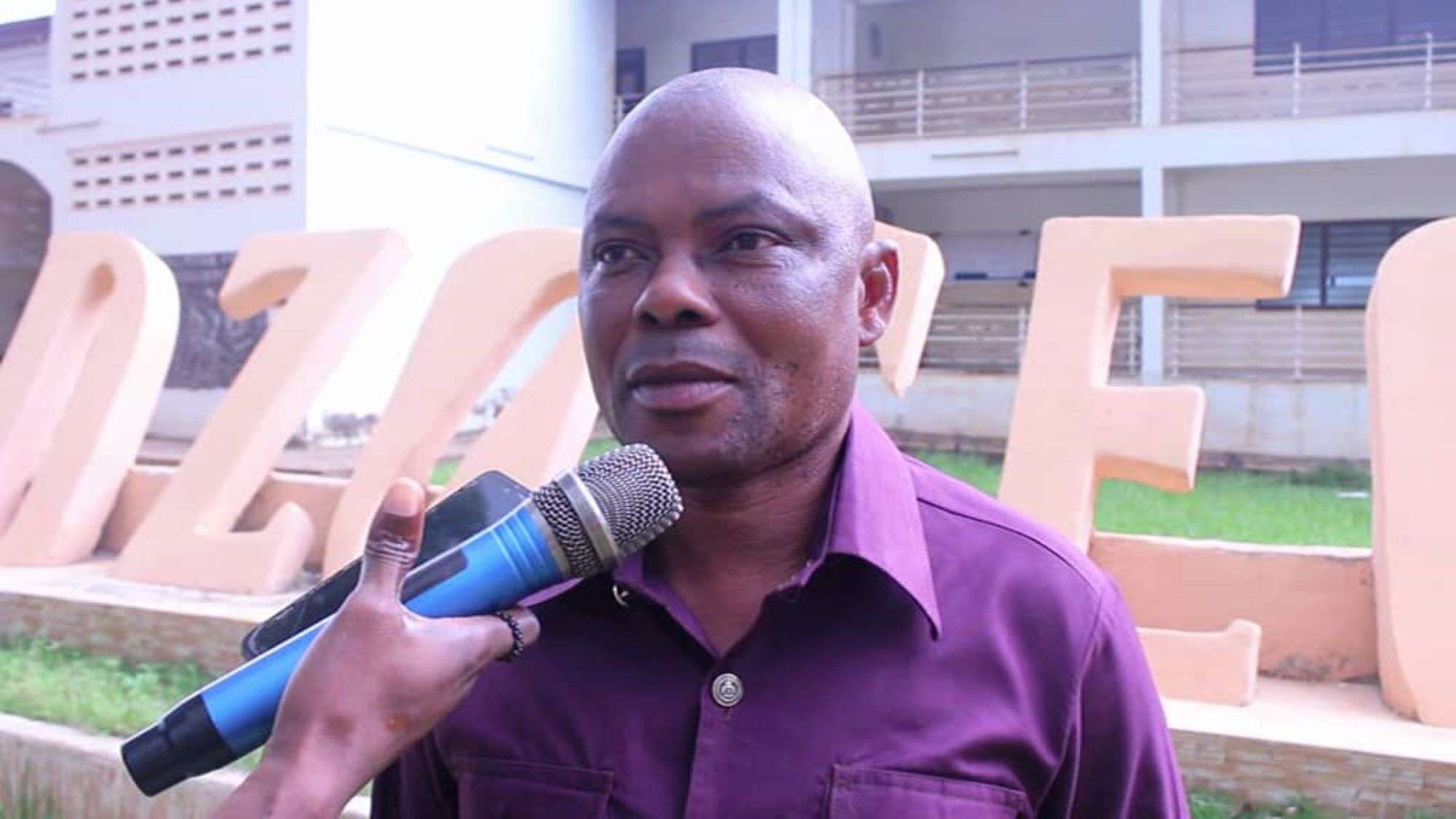


A former Minister for Works and Housing, Mr. Kojo Oppong Nkrumah has observed that the Progress made so far by the private developer on the Saglemi Affordable Housing Project has vindicated the Private-Sector Participation (PSP) model pursued by the New Patriotic Party (NPP) administration to complete the long-delayed housing project.
Mr Oppong Nkrumah, during whose tenure the project was revived, said he was encouraged that the current National Democratic Congress (NDC) government had maintained the PSP arrangements instead of abandoning it and returning the entire financial burden to the state.
The Member of Parliament for Ofoase-Ayirebi made the remarks while speaking to journalists about developments at the Saglemi housing project following President John Dramani Mahama’s visit to the site on Thursday, August 20, 2026.
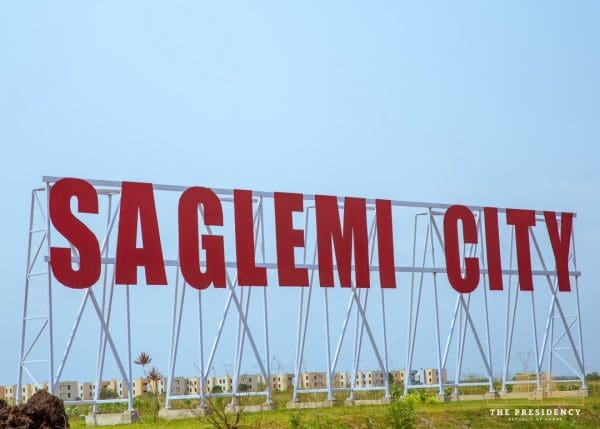
The Saglemi project has been at the centre of the housing debate for more than a decade. Conceived as a major affordable housing development, the project was expected to provide thousands of housing units but became stalled amid financing difficulties, construction challenges, and political controversy over how it should be completed.
Under the Akufo-Addo administration, Mr Oppong Nkrumah advocated the involvement of private capital and expertise to revive the project.
The proposal attracted opposition from sections of the then minority, who questioned aspects of the arrangement and raised concerns about the government’s approach to the project.
Mr Oppong Nkrumah, however, has consistently maintained that the private-sector arrangement was properly structured and intended to protect the state’s interest while avoiding further significant financial commitments from the government.
Reflecting on the development, he said the decision by the current administration to continue with the arrangement validates the PSP arrangements of during his tenure.
“I was pleased to note that, first of all, the process that we went through to use private-sector participation to complete the Saglemi project, that process has been upheld by this administration,” he said.
According to him, the private developer selected under the arrangement has continued its work, while the terms agreed with the developer to finance and complete the project remain operational.
He recalled that the arrangement faced further controversy after a fire incident occurred at the project site when the private developer had begun working.
At the time, he said, accusations were made suggesting that the incident was intended to conceal information about the project.
Mr Oppong Nkrumah said subsequent developments had demonstrated that the private-sector developer was genuinely engaged in completing the project and that the framework was capable of delivering the intended outcome.
He also pointed to the phased approach to the completion of Saglemi as another indication that the broad framework developed under the previous administration had been retained.
“I was happy to hear that the benchmarks, the first 700 and then the subsequent 1,000 and 2,000, and then the continuous development of Saglemi, the President has upheld all of those,” he said.
President Mahama’s visit to Saglemi has renewed attention on the project, with the government outlining timelines for completing the first batch of housing units and subsequently expanding development across the site.
Mr Oppong Nkrumah said the progress gave him satisfaction because it meant Ghanaians will eventually benefit from the project.
He further expressed appreciation to the technical team, consultants, and private-sector developers who participated in the restructuring of the project, saying their contribution had helped put Saglemi on what he described as a more sustainable path.
Mr Oppong Nkrumah rejected those allegations, describing the opposition to private-sector participation at the time as largely political.
The continuing work at Saglemi, therefore, represents more than the revival of a housing project for Mr Oppong Nkrumah.
He sees it as evidence that private-sector participation can be used to deliver major public infrastructure without placing the entire financial responsibility on government.
“I look forward to the completion so that we can all see this project see the light of day,” he said.
He also used the Saglemi experience to make a broader argument for greater collaboration between government and private investors in the delivery of public goods and services.
“This is a testament that private-sector participation in delivering public goods and services is an idea or an approach that works, and we should embrace it some more,” he said.
The Saglemi development has consequently become a political and policy test for successive governments.
While the project originated under an earlier administration and underwent several changes under subsequent governments, its continued revival has now placed renewed focus on the financing model used to bring the unfinished estate back to life.
He said he looked forward to joining other stakeholders when the project is eventually completed, describing its successful delivery as the ultimate objective regardless of which administration receives political credit for the finished homes.