
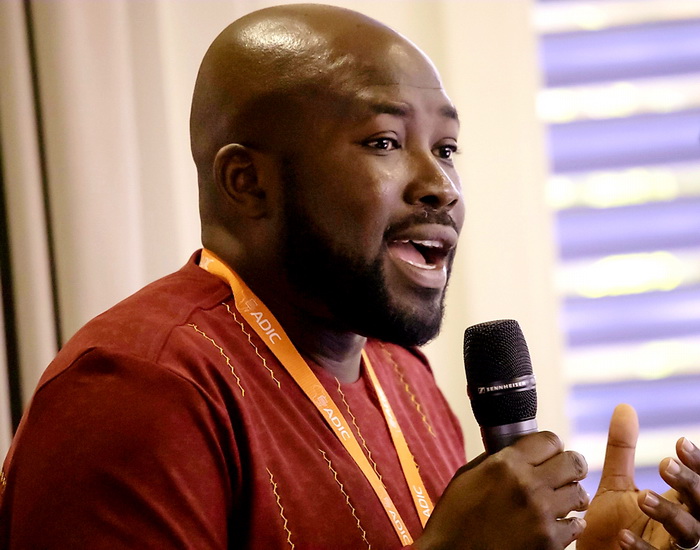
Energy analyst Senyo Hosi has described Ghana’s persistent power outages—commonly known as “dumsor”—as largely a financial problem rather than a purely technical failure.
According to him, the country’s electricity supply challenges are deeply rooted in liquidity constraints within the power sector, which continue to weaken reliable generation and distribution. Despite years of investment in power generation capacity, the sector struggles to function efficiently due to cash flow issues and unpaid obligations.
Speaking on the matter, Hosi explained that although Ghana has expanded its generation capabilities, the inability of key players in the energy value chain to meet financial commitments has created a cycle of inefficiency. Power producers are frequently not paid on time, which affects their ability to procure fuel, service equipment, and sustain operations.
He said: “We have had a big deficit in infrastructure investment to support the entire system. Initially, it was around the generation. There was quite a significant investment at the time and it was helpful.
“There is a problem with our power pricing and also our technical management, which is also curable by infrastructure investment. We have certain parts of the infrastructure for distribution defective, and we can only correct that by spending more money to correct that, and so there is a need for money.”
Hosi further highlighted that institutions such as the Electricity Company of Ghana (ECG) continue to face major challenges in revenue mobilisation. These include losses from illegal connections, inefficiencies in billing systems, and poor collection mechanisms.
Such setbacks, he noted, directly impact the financial stability of the Volta River Authority (VRA) and independent power producers, ultimately affecting the consistency of electricity supply.
He warned that without urgent financial restructuring and stronger governance, intermittent outages could persist even though the country has sufficient installed capacity to meet demand. In his view, the problem is less about producing power and more about sustaining the financial ecosystem that supports its delivery.
Hosi also stressed the need for stronger political will to enforce payment discipline across the board. He pointed out that some state institutions are among the biggest defaulters, worsening the sector’s already fragile financial position.
Ghana has experienced recurring episodes of dumsor over the years, with recent concerns resurfacing among businesses and households over the reliability of electricity supply. These disruptions continue to affect productivity, increase operational costs, and create uncertainty for investors.
While acknowledging ongoing government efforts to stabilise the sector, Hosi maintained that long-term solutions will depend on addressing the underlying financial bottlenecks.
He emphasised the importance of restoring confidence among investors, improving operational efficiency, and ensuring transparency in the management of the power sector.
He urged policymakers to prioritise reforms that promote cost-reflective tariffs, reduce both technical and commercial losses, and strengthen accountability within the system. According to him, only a comprehensive financial and structural reset can put an end to Ghana’s recurring power challenges.