
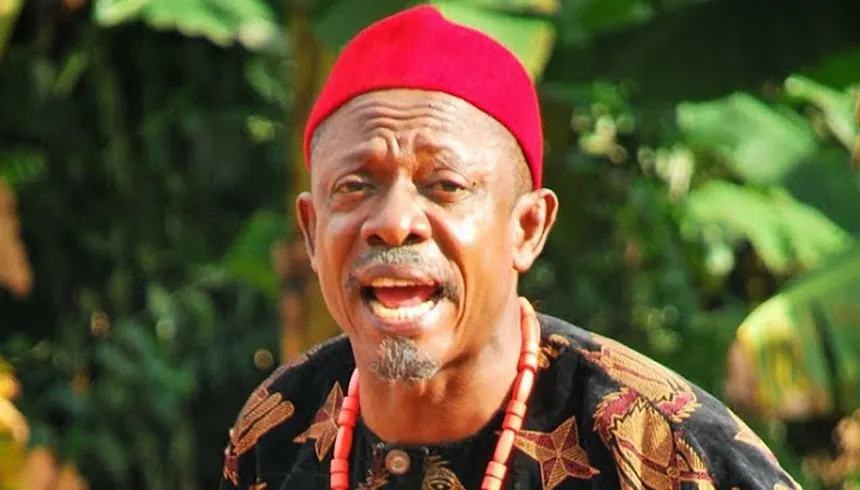
Veteran Nollywood actor Nkem Owoh, widely known by his stage name “Osuofia,” has weighed in on the growing debate within the Nigerian film industry over casting decisions influenced by social media popularity rather than acting ability.
Speaking during a recent episode of the Selah Meditate podcast, the respected thespian addressed concerns that filmmakers are increasingly prioritising online influence, beauty, and follower counts when selecting actors for film roles. According to him, the rising influence of social media in entertainment does not diminish or threaten genuine acting talent.
Owoh stressed that while social media has become an important tool for visibility and promotion in today’s entertainment industry, it cannot replace the foundational skill required in acting. He maintained that true performance ability remains the most important factor in sustaining a successful acting career.
In his remarks, he firmly dismissed fears that digital popularity could overshadow professional competence, insisting that talent will always remain central in the film industry regardless of evolving trends.
“I don’t think social media fame is replacing real talent. It can’t. There is no way social media fame can replace real talent,” he stated.
His comments come amid ongoing conversations in Nollywood about casting practices and industry standards. In recent months, several actors have publicly expressed concerns that filmmakers are increasingly prioritising social media presence, physical appearance, and online engagement metrics over formal training, experience, and acting ability.
Actors such as Shine Rosman, Bolaji Ogunmola, and Osereme Inegbenebor have, in separate interviews, criticised what they describe as a growing preference for beauty, online popularity, physical attributes, and even skin complexion in casting decisions. They argue that this trend risks undermining the quality of performances in films and limiting opportunities for trained and experienced actors who may not have large social media followings.
According to these actors, the shift reflects a broader change in the entertainment industry, where digital influence has become a major marketing tool for producers seeking to maximise reach, audience engagement, and profitability. However, they caution that over-reliance on such factors could negatively affect storytelling quality and professional standards in Nollywood.
Despite these repeated concerns raised within the acting community, many stakeholders believe that the industry has not taken sufficient steps to address the issue. Critics argue that while social media presence can help promote films and attract attention to new projects, it should not become the primary criterion for selecting actors.
Nkem Owoh’s remarks add a veteran voice to the ongoing debate, reinforcing the view that acting remains a craft rooted in skill, discipline, and performance rather than online popularity. His perspective reflects the position of many seasoned actors who have witnessed the evolution of Nollywood from its early stages to its current digitally driven landscape.
Over the years, Nollywood has grown into one of the largest film industries in the world, producing hundreds of films annually and reaching global audiences through streaming platforms and digital media. This expansion has also increased competition among actors, making visibility on social media a significant advantage for emerging talents seeking roles.
However, the tension between talent-based casting and influence-driven selection continues to spark discussions about the future direction of the industry. While some filmmakers defend the use of social media metrics as a practical marketing strategy, others insist that maintaining artistic integrity should remain the industry’s top priority.
For now, the debate remains unresolved, even as voices like Nkem Owoh continue to emphasise the enduring importance of raw talent in sustaining Nollywood’s credibility and artistic growth.