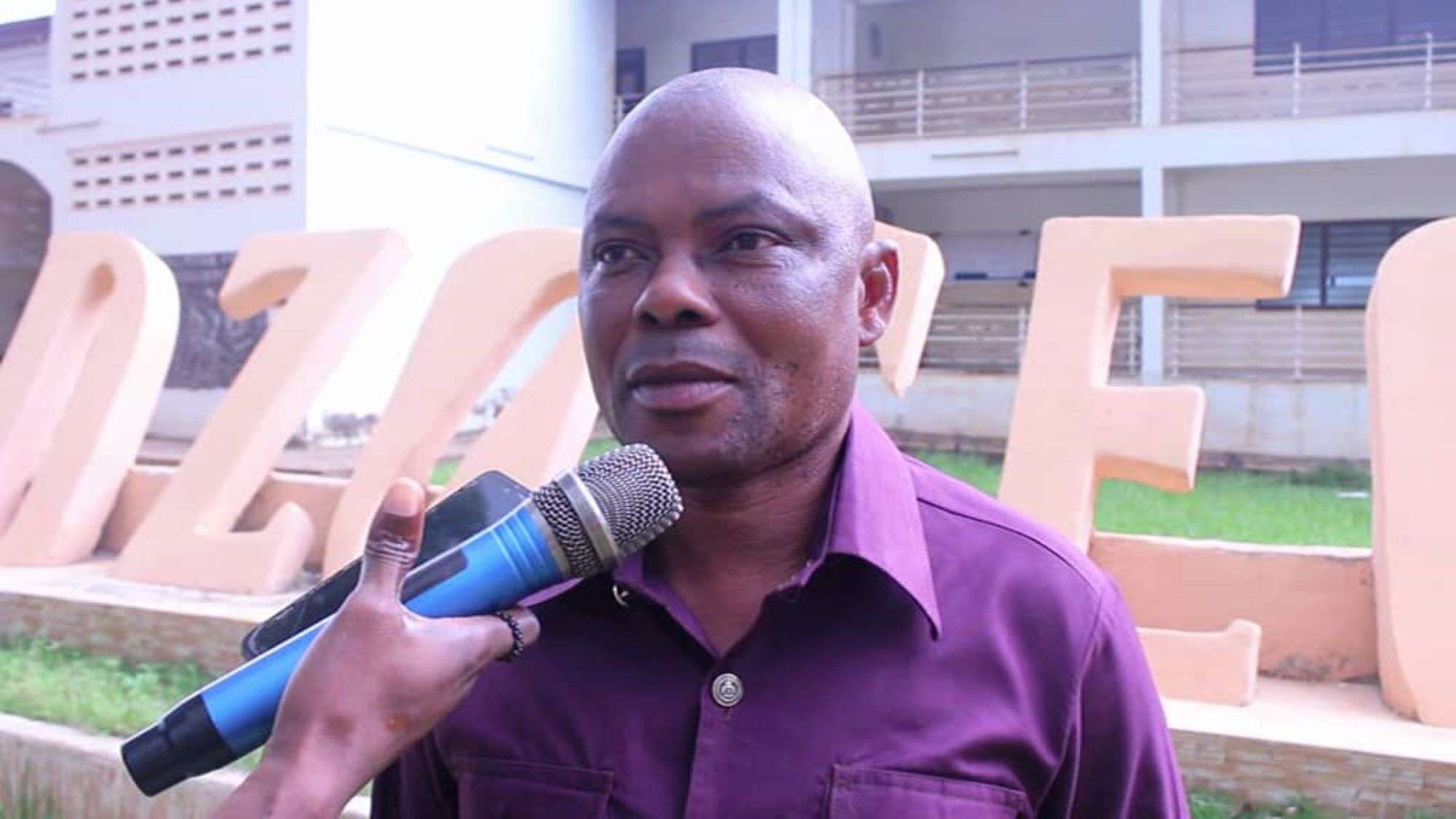


Physician Specialist and Cardiology Fellow in training at the Korle-Bu Teaching Hospital, Dr Florence Akumiah, has disclosed that heart disease and stroke have accounted for more deaths in Ghanaian hospitals than any other recorded cause since 2016, highlighting the growing burden of cardiovascular diseases and other non-communicable diseases (NCDs) in the country.
She made the disclosure at a media engagement in Accra on Wednesday, September 30, 2026, to mark World Heart Day.
According to Dr Akumiah, cardiovascular diseases remain a major public health challenge in Ghana, affecting people across different age groups and increasingly being detected among younger adults.
She said about 45 percent of deaths in Ghana were attributable to NCDs, while cardiovascular diseases accounted for approximately 18 percent of total deaths, citing data from the World Health Organisation (WHO).
The figures, she noted, underscore the urgent need to strengthen preventive healthcare, promote early detection and improve the management of cardiovascular risk factors.
Dr Akumiah also highlighted the prevalence of hypertension in Ghana, describing it as one of the country’s major cardiovascular health concerns.
She said the 2023 Ghana WHO STEPS survey, which covered 5,438 adults across all 16 regions, found that about one in five Ghanaian adults had hypertension.
The figure translates into approximately 3.7 million people living with the condition.
“Women recorded a higher prevalence of hypertension at 25.3 percent compared with 18.2 percent among men, while hypertension increased with age and was more prevalent in urban areas,” she said.
The physician specialist said the situation was particularly concerning because many people living with hypertension were unaware that they had the condition.
She explained that health facilities were increasingly seeing younger patients with serious complications linked to high blood pressure.
Dr Akumiah said more young people were presenting with complications including stroke, kidney disease and hypertensive emergencies, while many people with hypertension remained unaware of their condition.
She further noted that even among people who had been diagnosed with hypertension, not everyone was receiving treatment or achieving adequate blood pressure control.
According to her, the situation increases the risk of severe complications, particularly when hypertension remains undiagnosed or poorly managed over an extended period.
She therefore stressed the importance of regular health screening, early diagnosis and effective treatment to reduce the impact of cardiovascular diseases and prevent avoidable deaths in Ghana.