
The Trades Union Congress (TUC) has called on the Government to withdraw the Tribunals Bill, 2026, and publish the full Constitution Review Committee Report, describing the current legislative approach as lacking transparency.
It also argued that the proposed legislation could undermine public confidence in Ghana’s justice system and contradict recommendations made by the Constitution Review Committee (CRC).
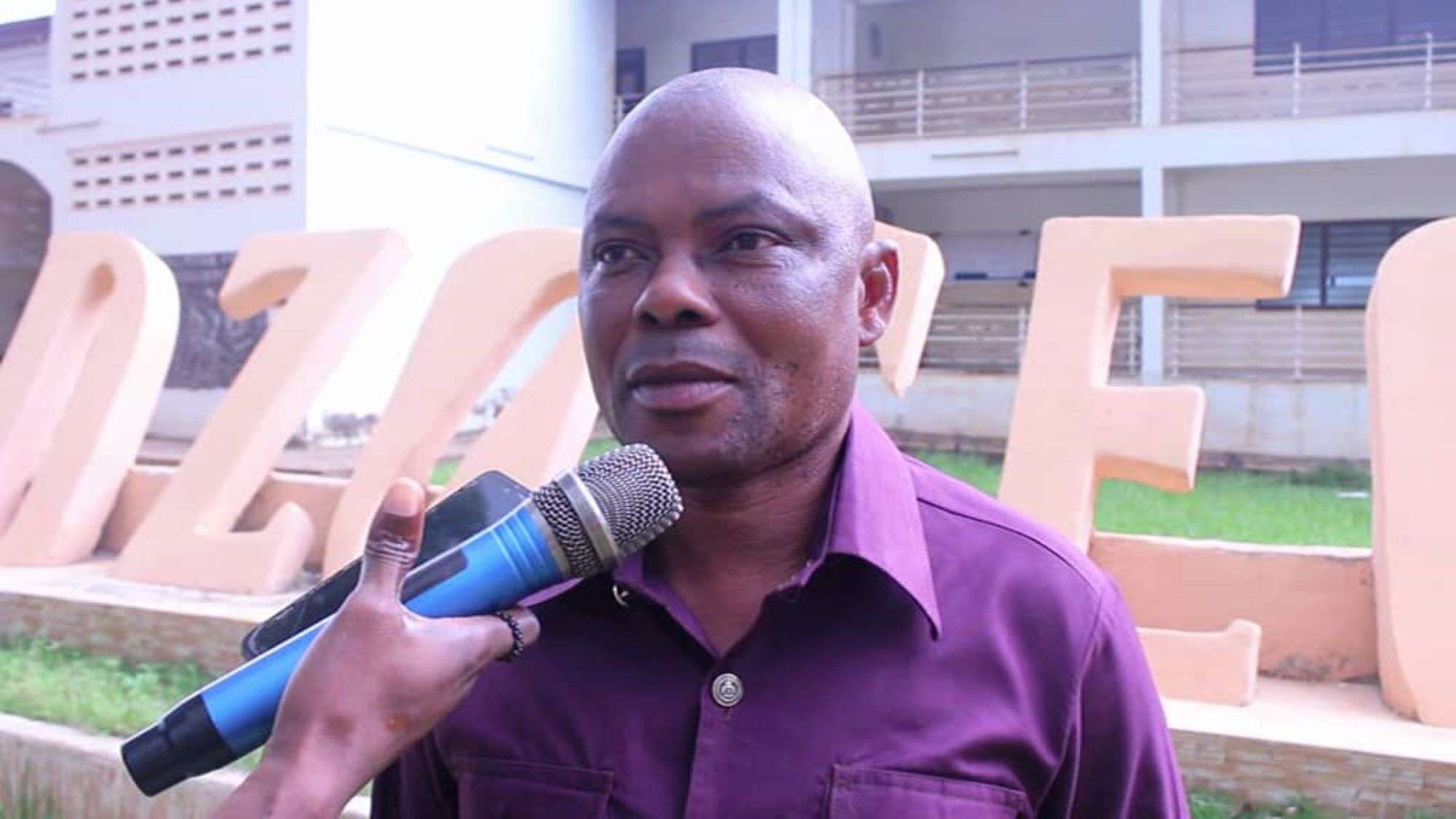
Addressing a press conference in Accra, Mr Joshua Ansah, the Secretary-General of the TUC, said the Congress’ Steering Committee and Executive Committee had separately deliberated on the Tribunals Bill and the ongoing constitutional review process.
He said the TUC had consistently supported the Government’s decision to review the 1992 Constitution, following the establishment of the Constitution Review Committee chaired by Professor Kwasi Prempeh in January 2025.
Mr Ansah noted that although the Committee submitted its final report to the Government in December 2025, only a summary of the recommendations had been made public.
He said the Government had also not published its official response to the Committee’s recommendations, which should ordinarily form the basis for public consultation and constitutional amendments.
“We had expected Government to publish the full report of the Constitution Review Committee and its position on the recommendations before any action is taken on changing the Constitution,” he said.
The TUC expressed concern that the Government was selectively pursuing portions of the Committee’s recommendations by laying constitutional amendment proposals before Parliament without releasing the complete report.
According to the Congress, the approach undermined transparency, weakened the integrity of the constitutional review process and failed to inspire public confidence.
Mr Ansah said the TUC was demanding the immediate publication of the Committee’s full report and the Government’s position on it, while urging authorities to abandon what it described as a “pick and choose” approach to constitutional reform.
On the Tribunals Bill, he said the TUC had carefully studied the proposed legislation and consulted widely with stakeholders before arriving at its position.
He recalled that in its memorandum to the Constitution Review Committee, the TUC had recommended the removal of provisions relating to Regional Tribunals from the Constitution, arguing that they were no longer relevant.
Mr Ansah noted that the Constitution Review Committee had similarly recommended the disestablishment of Regional Tribunals, explaining that the High Court had effectively assumed their caseload.
“In the face of these clear recommendations both by the TUC and the Constitution Review Committee, it is baffling to us that Government is attempting to activate the Tribunals,” he said.
The TUC maintained that Ghana’s historical experience with public tribunals justified abandoning any attempt to revive Regional and District Tribunals.
It argued that the Tribunals Bill, in its current form, could become “a potent tool for weaponising justice delivery” and reinforce perceptions of political interference in the justice system.
The Congress called on President John Dramani Mahama and Parliament to heed the recommendations of the Constitution Review Committee by halting the legislative process on the bill.
It further urged the Government to remove Regional Tribunals from the Constitution and instead focus on adequately resourcing the Judiciary to improve justice delivery.
“The Bill must be withdrawn from Parliament,” Mr Ansah said.