

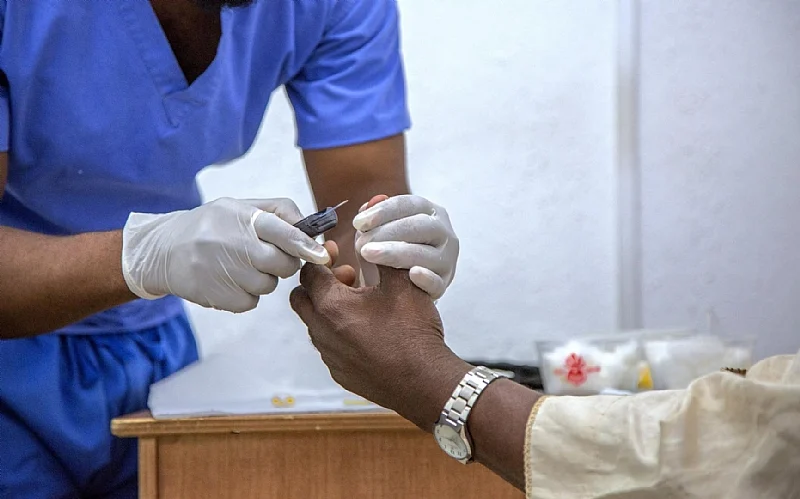
Health specialists at the Komfo Anokye Teaching Hospital (KATH) are raising concerns over the growing number of children being diagnosed with diabetes, with new research indicating that Type 2 diabetes, previously considered uncommon among young people, is becoming increasingly prevalent in Ghana.
A recent study conducted by doctors at KATH revealed that Type 2 diabetes now accounts for about 15% of childhood diabetes cases in Ghana, compared with an estimated 5% previously.
Specialists say the increase is being driven by factors such as unhealthy diets, reduced physical activity, rising childhood obesity and delays in diagnosis. They warn that without urgent interventions, the trend could lead to serious long-term health challenges for affected children.
For 16-year-old Akosua Yeboah, not her real name, discovering she had diabetes followed months of uncertainty and confusion.
At age 14, she began experiencing excessive thirst, frequent urination and unexplained weight loss. She was initially treated for a urinary tract infection before doctors later confirmed she had Type 1 diabetes.
“I thought I wasn’t going to live for long. I thought I was going to die. I knew nothing about Type 1 diabetes. The only thing I knew was that diabetes affected adults,” she said.
Twenty-seven-year-old Gideon Tettey also developed Type 1 diabetes as a teenager and faced similar challenges. Although he recognised his symptoms after hearing a health programme on radio, he said misinformation and stigma made his experience more difficult.
“I was losing weight, my stomach became swollen, and some people believed I had been cursed. Since neither of my parents had diabetes, my family was frightened and gave me herbal medicine because they believed it could cure me,” he said.
Paediatric endocrinologist and child health specialist Professor Emmanuel Ameyaw said cases like these are becoming increasingly common.
He explained that when KATH opened its diabetes clinic in 2012, only one child was receiving treatment. Today, the facility manages more than 400 children living with diabetes, a number he believes represents only a portion of affected children across the country.
“We now have over 400 children living with diabetes, so it is no longer uncommon. There are many more children out there living with the disease, and we need to find them,” he said.
Professor Ameyaw said the rising incidence of Type 2 diabetes among children is particularly concerning because the condition has historically been associated with adults.
“Our recent study found that about 15% of children with diabetes have Type 2 diabetes, which tells us the condition is becoming more common among children,” he said.
He linked the trend to unhealthy eating habits, excessive consumption of sugary drinks, processed foods, obesity and increasingly inactive lifestyles among children.
“In Ghana, when a child gains a lot of weight, it is often seen as a sign of good health. But obesity is linked to many diseases, including insulin resistance. Children should eat well, but they should also eat healthily,” he said.
The specialist also called for increased government investment to improve access to insulin and other essential medicines for children living with diabetes.
“The support we currently receive for children with Type 1 diabetes comes mainly from foreign donors. Although insulin is covered under the National Health Insurance Scheme, it is often unavailable in many hospitals. Government support remains minimal,” he said.
Doctors also stressed the importance of oral health care in diabetes management, noting that diabetes and dental diseases can influence each other.
Resident Orthodontist Dr. Isaac Akotoye said diabetes can worsen existing oral conditions and contribute to other complications.
“Diabetes can affect oral health in several ways. If a person already has an oral disease such as periodontitis, diabetes can make the condition worse and may even lead to tooth loss. Even without a pre-existing oral condition, diabetes can cause problems such as periodontal abscesses, dry mouth and dental cavities,” he said.
Medical Officer at KATH’s Oral Diagnosis Department, Dr. Ama Boakyewaa Yeboah, said symptoms such as persistent dry mouth, swollen gums, recurring mouth infections and slow wound healing could be early warning signs of diabetes.
She urged parents not to ignore these symptoms and encouraged early medical checks when children show unusual health changes.
Dr. Yeboah also advised families to promote healthier lifestyles by encouraging balanced diets, reducing sugary snacks and processed foods, and ensuring children engage in regular physical activity to reduce their risk of developing diabetes.