
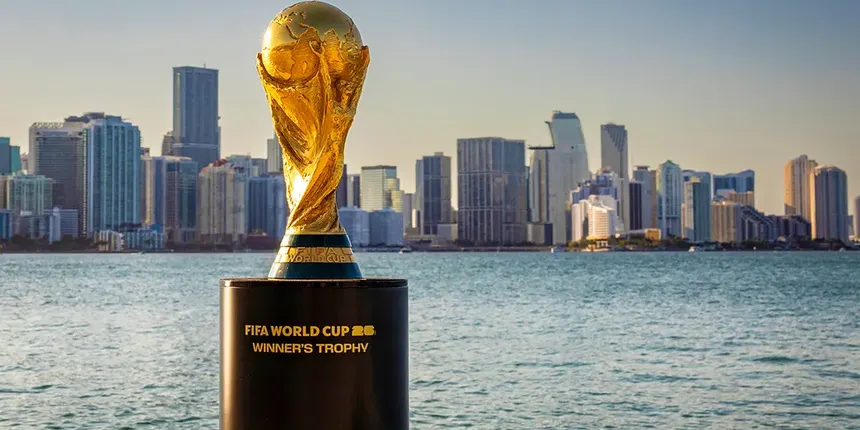
The wait is finally over as the FIFA World Cup 2026 gets underway tomorrow, June 11, ushering in a new era for the world’s most prestigious football tournament.
The tournament promises to be unlike any previous edition, with a record number of teams, matches and host cities participating in what is expected to be the largest sporting event ever staged.
The 2026 World Cup will be jointly hosted by the United States, Canada and Mexico, making it the first tournament in history to be organized by three countries. It is also the first World Cup to feature 48 teams, an expansion from the traditional 32-team format that has been in place since 1998.
The expanded competition is designed to make the World Cup more inclusive, allowing more nations from Africa, Asia, North America and other regions to participate on football’s biggest stage. FIFA believes the new format will not only increase global representation but also enhance competition by giving emerging football nations a chance to test themselves against the world’s elite.
The tournament’s opening match will be played at the iconic Mexico City Stadium, where hosts Mexico will face South Africa before a packed crowd.
The venue will make history as the first stadium ever to host three World Cup opening matches, having previously welcomed fans for the opening games of the 1970 and 1986 tournaments.
Football supporters are already flooding host cities as excitement reaches fever pitch ahead of kick-off. Hotels, restaurants and entertainment venues across North America are expected to experience a major economic boost as millions of visitors travel to support their teams.
This year’s tournament will feature a record 104 matches played across 16 cities in the three host nations. The expanded format will see the 48 participating countries divided into 12 groups, with the top teams progressing to a newly introduced Round of 32 before advancing through the traditional knockout stages.
Defending champions Argentina enter the competition among the favourites after their memorable triumph four years ago. The South Americans will be hoping to retain their crown and further cement their place among football’s greatest nations.
However, they are expected to face stiff competition from traditional football powerhouses, including Brazil, France, England, Spain, and Germany. Each of these nations boasts world-class talent and enters the tournament with ambitions of lifting the trophy on July 19.
The tournament will also provide another opportunity for some of football’s biggest stars to shine on the global stage. Fans around the world will be closely watching to see whether Lionel Messi can lead Argentina to another title, while Cristiano Ronaldo continues his pursuit of World Cup glory in what could be his final appearance at the tournament.
French superstar Kylian Mbappé, widely regarded as one of the best players in the world, is also expected to play a leading role as France seeks to reclaim the title it won in 2018. Other emerging stars will be eager to make their mark and announce themselves to the global football audience.
African nations will once again be looking to create history. The continent has made significant progress in recent World Cups, with Morocco’s remarkable run to the semi-finals in 2022 demonstrating that African teams can compete with the very best.
Supporters across Africa will be hoping their representatives can build on that success and challenge the established football giants. With additional qualification slots available under the expanded format, the continent enters the tournament with greater representation and renewed optimism.
Beyond the action on the pitch, the 2026 World Cup is expected to showcase technological innovations, enhanced fan experiences and unprecedented global engagement. Organisers have invested heavily in stadium infrastructure, transportation systems and security arrangements to ensure a smooth and memorable tournament.
The final is scheduled to take place on July 19 at New York New Jersey Stadium in the United States, where one nation will be crowned world champions after more than a month of intense competition.
For many players, the tournament represents the pinnacle of their careers. For fans, it offers an opportunity to celebrate the sport’s ability to unite people across cultures, languages and borders.
The World Cup has long been more than just a football competition—it is a global festival that brings together billions of people through a shared passion for the beautiful game.
As the countdown enters its final hours, anticipation continues to grow. Streets, homes, pubs and fan parks around the world are preparing to come alive with colour, emotion and excitement.
From dramatic upsets and stunning goals to unforgettable celebrations and heartbreaking exits, the FIFA World Cup 2026 promises to deliver the moments that make football the world’s most beloved sport.
Tomorrow, the journey begins. By July 19, one nation will stand above the rest as world champions, but until then, football fans everywhere can look forward to 39 days of drama, passion and unforgettable memories.