
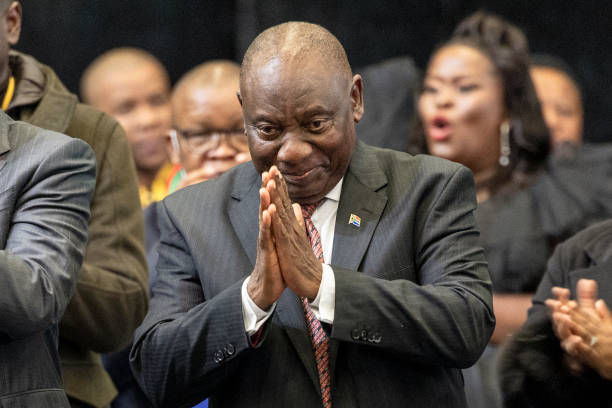
The Ghanaian government has declined a planned state visit by South African President Cyril Ramaphosa, citing concerns over the reported killing of a Ghanaian citizen and rising fears over xenophobic attacks targeting Ghanaians and other foreign nationals in South Africa.
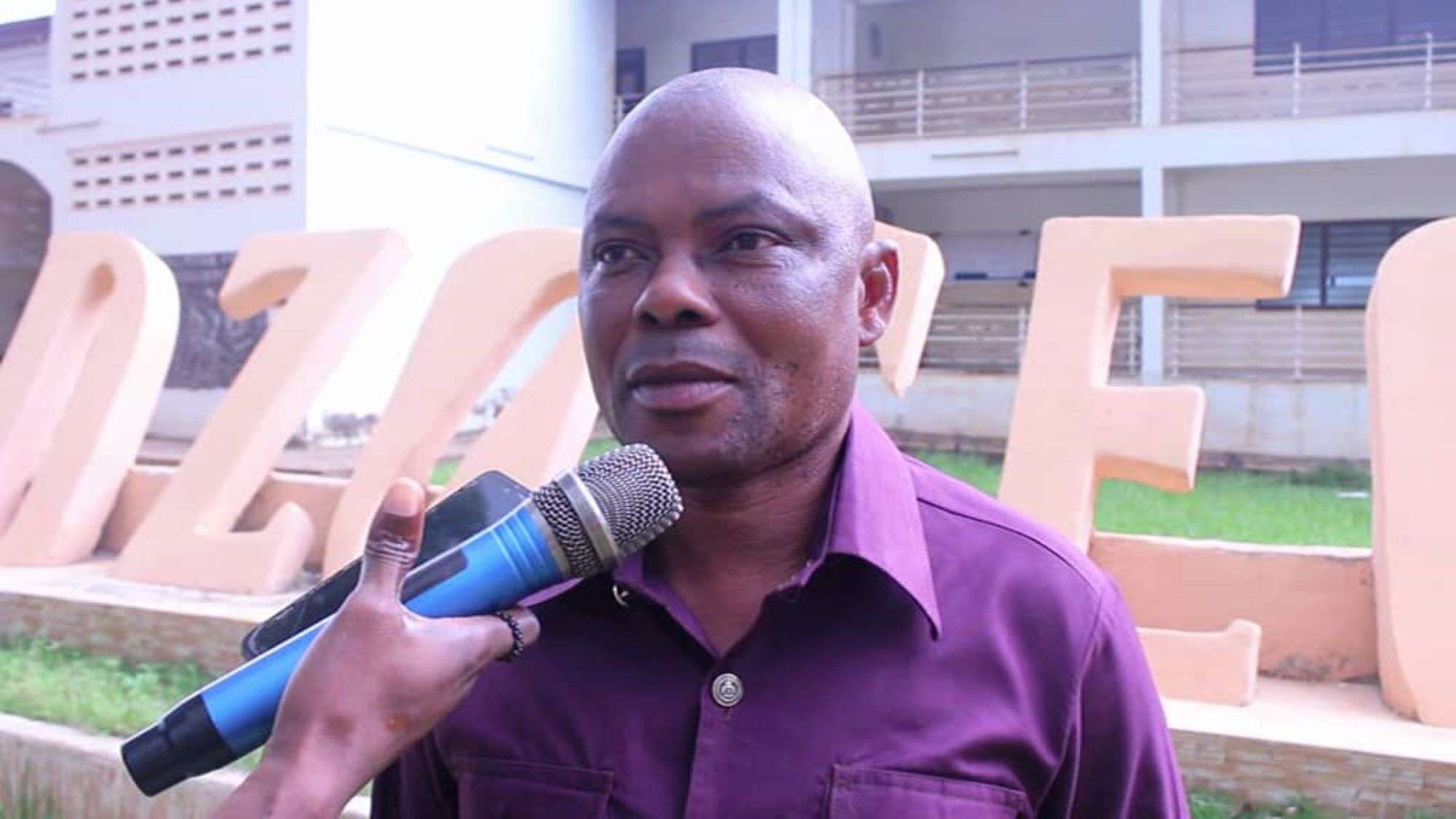
The decision comes after the death of 40-year-old Bashiru Isak, a Ghanaian national who authorities in Ghana say was killed during demonstrations linked to renewed anti-immigrant tensions in South Africa on June 30, 2026.
Government sources said the decision was made amid growing concerns about the safety and security of Ghanaian citizens living in South Africa. Officials stressed the need for urgent action to address reported cases of violence against foreign nationals before proceeding with high-level diplomatic engagements.
President Ramaphosa was expected to travel to Ghana in the first week of August as part of efforts to deepen relations between the two countries. The visit was expected to provide an opportunity for both governments to discuss trade, cooperation, and possible solutions to concerns surrounding attacks on migrants.
However, Ghanaian authorities indicated that the current circumstances required immediate attention before such discussions could take place. The government has also formally protested to South African authorities over the death of Isak and broader concerns about the treatment and safety of Ghanaian nationals in South Africa.
According to Ghanaian officials, Isak was shot and killed during what they described as “anti-immigrant demonstrations linked to ongoing xenophobic attacks” in Cape Town’s Khayelitsha township.
The incident has sparked fear among members of the Ghanaian community, many of whom have called on South African authorities to conduct a swift and transparent investigation and ensure those responsible are brought to justice.
South African authorities have disputed Ghana’s account of the incident, rejecting claims that the death occurred during the June 30 demonstrations. Officials described Ghana’s account as “factually incorrect” and “not based on fact.”
The South African government said no deaths were recorded during the protests, which attracted thousands of demonstrators in different parts of the country. Authorities maintained that reports suggesting the incident reflected widespread xenophobic violence against migrants created a misleading picture of events.
South Africa’s Justice Minister, Mmamoloko Kubayi, criticised Ghana’s description of the situation, arguing that it risked damaging the country’s reputation internationally.
“It is concerning that Ghanaian authorities continue to communicate false information about South Africa regarding developments on irregular migration,” she was quoted as saying in a statement.
“The spread of false information to perpetuate the false narrative that South Africa is xenophobic is unacceptable,” she added.
The diplomatic dispute highlights ongoing tensions surrounding migration, the treatment of foreign nationals, and efforts by African governments to balance regional cooperation with the protection of their citizens abroad.