
Former Finance Minister Dr Mohammed Amin Adam has accused the Mahama administration of rebranding its 24-Hour Economy programme as the New Economy, arguing that the move amounts to an admission that the original policy has failed.
He questioned the rationale behind transferring projects and programmes previously announced under the 24-Hour Economy into the New Economy agenda, insisting that the development raises questions about the status of the government’s flagship initiative.
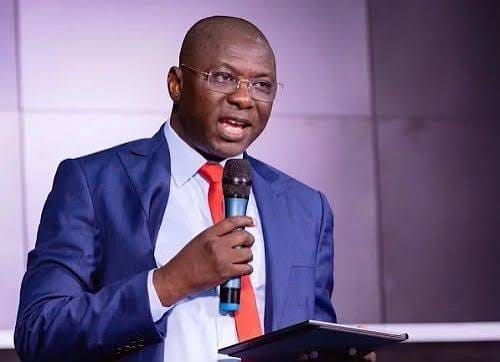
His criticism follows the presentation of the 2027 Budget Statement and Economic Policy by Finance Minister Dr Cassiel Ato Forson to Parliament on Thursday, November 12.
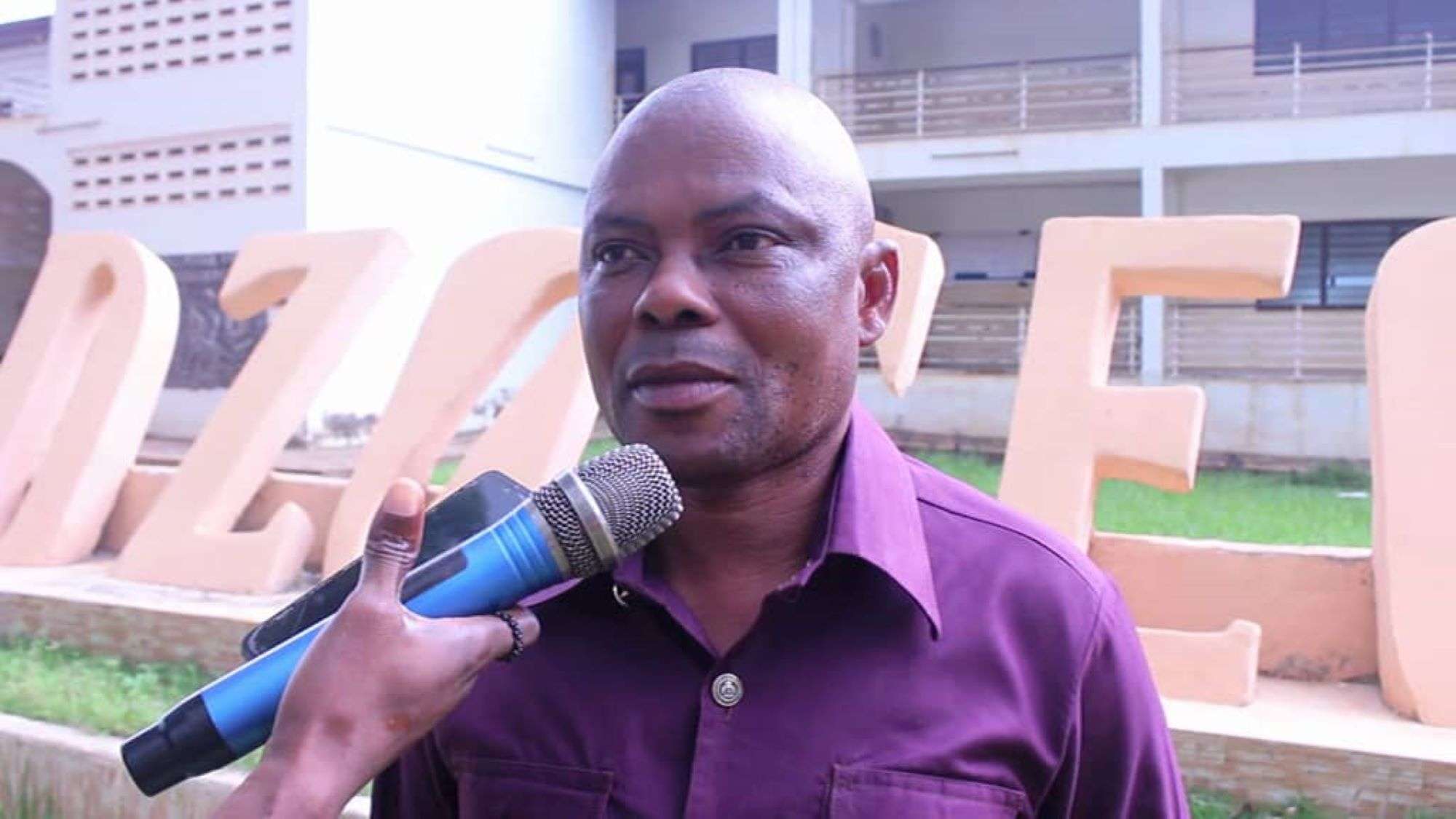
Speaking to journalists on Friday, November 13, Dr Amin Adam said the migration of the projects into the new agenda reinforced his position that the 24-Hour Economy had been abandoned.
“Projects and programmes on the 24-hour economy have been lifted into the New Economy. And this is why we were very confident that the 24-hour economy has failed. They have repackaged the 24-hour economy as the new economy. If it hasn’t failed, what is the reason for the government repackaging it and renaming it as the New Economy?” he asked.
He urged the government to come clean with Ghanaians about the fate of the programme.
“So the government must admit and tell the Ghanaian people the truth. Yes, I failed with my 24-hour economy. Now I want to rename it,” he said.
Dr Amin Adam also raised concerns about the financial requirements of the New Economy programme, estimated at US$10 billion over four years.
He questioned how the government could mobilise the required funding when, in his assessment, it had struggled to implement the 24-Hour Economy, which was projected to cost US$4 billion.
“If this government could not deliver the 24-hour economy, which was costing $4 billion, how do they expect Ghanaians to believe them that they can fund a renamed 24-hour economy with $10 billion, $5 billion in two years? How are they going to do that?” he queried.
He further challenged the government’s claim of introducing new interventions, pointing to the oil palm development programme as an example of an initiative previously captured in the 2026 Budget.
According to him, the November 2025 budget proposed cultivating 100,000 hectares of oil palm and creating 250,000 jobs, targets he said had been carried over into the New Economy agenda.
“The same project, the same 100 hectares, the same 250,000 jobs, which was put in the 2026 budget, presented in November 2025, now appears as a new project under the New Economy,” he said.
He questioned why the oil palm project was being presented as a fresh intervention despite what he described as the government’s failure to acquire the necessary land.
Dr Amin Adam called for clarity on the implementation status of the projects and the funding arrangements for the US$10 billion programme.
The New Economy programme is expected to commence in 2027, as Ghana marks 70 years of independence. It is designed to reduce dependence on raw commodity exports, boost domestic production and address recurring boom-and-bust economic cycles.
Dr Forson has described it as an integrated production system intended to channel investment into critical sectors while maintaining macroeconomic stability.